
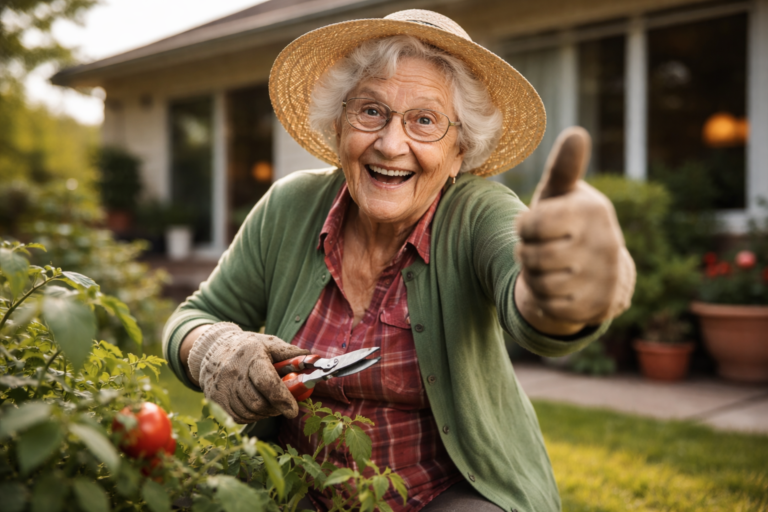
At 100 years old, Eleanor Hayes has become something of a local legend. She turned down the offer of a comfortable room in a nearby retirement community and still tends her own garden, bakes bread every Wednesday, and walks to the corner store for a paper. “Doctors are useful for broken bones and big things,” she tells anyone who asks, “but my life is proof that most of the time you just need to live well.”
Her story has been shared across neighborhood groups and social feeds not because she’s defiant, but because she’s quietly stubborn about the routine that has carried her through a century.
Why she refuses retirement homes
Eleanor’s reasons are simple and personal:
- Independence: She values making her own choices about daily life—what to eat, when to nap, and how to spend her afternoons.
- Familiar surroundings: Her house is full of memories. Her late husband’s tools are still in the shed; the kitchen has the exact cupboard where she hides her biscuit tin.
- Purpose: She volunteers, tends a small vegetable patch, and hosts grandchildren. These activities give her structure and meaning.
Refusal of institutional care is rarely a single motivation. For Eleanor, staying at home is a deliberate act of maintaining identity and routine.
The everyday habits she credits for longevity
Eleanor lists a handful of practices she believes are more powerful than medical advice:
- Daily movement: She favors gentle exercise—gardening, short walks, and climbing a few steps multiple times a day.
- Real food: Her diet centers on fruits, vegetables, whole grains, and moderate portions of the meals she grew up with.
- Social connection: Regular visits from neighbors, family dinners, and active church involvement.
- Mental habits: Keeping curious—reading, crossword puzzles, and learning to use a smartphone to video chat with distant relatives.
- Sleep and routine: A predictable sleep schedule and daily rituals like afternoon tea.
These habits are neither glamorous nor new; they reflect a lifestyle that values consistency over extremes.
Her argument: doctors are overrated
Eleanor’s claim that “doctors are overrated” is provocative, but she frames it in a narrow way. What she means is:
- Preventive living matters: She believes everyday choices—diet, activity, relationships—matter more for long-term wellbeing than reactive medicine.
- Medical interventions can be overused: In her view, not every ache needs a prescription or a scan; sometimes common-sense care and patience are enough.
- Autonomy in care decisions: She distrusts a one-size-fits-all medical approach and favors personalized, conservative treatments.
Her stance resonates with people frustrated by quick-fix solutions, overmedicalization, and the loss of agency that sometimes comes with institutional care.
What listeners should consider
Eleanor’s life and views hold useful lessons, but they shouldn’t be taken as a blanket dismissal of modern medicine.
- Value of prevention: Her emphasis on lifestyle aligns with public health findings that exercise, diet, and social connection reduce many health risks.
- Limits of anecdote: One person’s experience, however inspiring, isn’t universal. Genetics, socioeconomic factors, and luck also play roles in longevity.
- When doctors matter: Medical professionals are essential for diagnosing serious conditions, managing chronic disease, performing surgeries, and guiding safe care choices. Eleanor sees them as partners for big problems—not as the enemy.
A balanced take is to combine prevention-minded living with timely professional care.
How communities can support people like her
If a growing number of older adults want to age in place and keep the habits that sustain them, communities can help by:
- Creating accessible public spaces for walking and socializing.
- Supporting meal programs and neighborhood volunteer networks.
- Providing in-home medical and non-medical services that respect independence.
- Offering technology training to keep older adults connected.
Good infrastructure lets people age safely at home without forcing them into isolation.
Final thoughts
Eleanor’s refusal of retirement homes and her proud assertion that everyday habits trump doctors is a compelling narrative—partly because it reassures us that ordinary choices matter. Her life reminds us that dignity, purpose, and community are powerful contributors to wellbeing. At the same time, her story is strongest when seen as one voice among many: a testament to the value of living well, and a prompt to blend daily wisdom with appropriate medical care.