
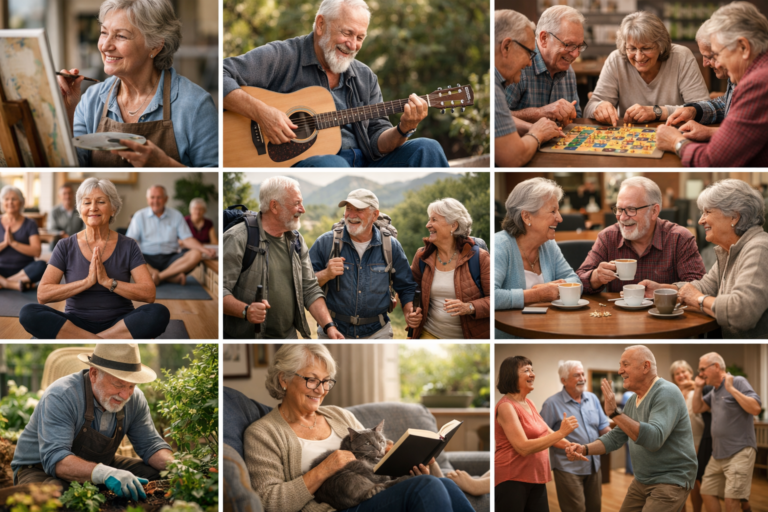
Loneliness in later life is a real public health concern, but psychology shows that certain hobbies can build social ties, purpose, and mental resilience. Below are 10 practical hobbies to adopt that help prevent loneliness in old age, according to psychology, along with why they work and how to get started.
1. Joining a walking or hiking group
Walking is low-impact and accessible. Group walks create routine social contact and shared goals, which psychologists say reduce feelings of isolation. The combination of physical activity and conversation also boosts mood through endorphins and social bonding.
How to start: Look for local senior walking groups, community center meetups, or apps that list group hikes.
2. Volunteering for a cause
Volunteer work provides purpose and multiple social connections. Psychology research links purposeful activities to lower depression and higher life satisfaction.
How to start: Choose causes you care about—libraries, schools, food banks—and commit to one regular shift per week or month.
3. Joining a book club
Book clubs combine intellectual stimulation with social ritual. Discussing stories fosters empathy and meaningful conversation, making it easier to form friendships.
How to start: Ask your local library about groups, or start one with neighbors and friends.
4. Learning a musical instrument or singing in a choir
Music engages the brain, supports memory, and creates community when practiced in groups. Group music-making synchronizes emotions and encourages cooperation—powerful antidotes to loneliness.
How to start: Take beginner lessons, join a community choir, or find local jam sessions for seniors.
5. Gardening or community gardening
Gardening offers physical activity, routine, and a sense of accomplishment. Community gardens add a social layer and opportunities for shared harvests and conversations.
How to start: Rent a plot at a community garden or cultivate containers at home while joining gardening clubs or forums.
6. Taking a class (art, language, cooking)
Learning keeps the brain engaged and introduces regular interaction with peers. Classes also provide structured opportunities for one-on-one conversations and group projects.
How to start: Check local community colleges, senior centers, or online platforms that offer in-person hybrid classes.
7. Playing board games or joining a tabletop group
Board games promote social interaction, strategic thinking, and friendly competition. Regular gaming nights can become a reliable social anchor.
How to start: Visit game cafés, community centers, or Meetup groups that host board game evenings.
8. Practicing tai chi, yoga, or group exercise
Mind–body activities reduce stress and often take place in group settings. Shared classes encourage routine and regular face-to-face contact, which psychologists identify as key to combating loneliness.
How to start: Find senior-friendly classes at gyms, wellness centers, or online community classes adapted for older adults.
9. Crafting: knitting, pottery, or woodworking
Crafts encourage creativity, skill mastery, and tangible results. Group craft circles create social rituals—people who craft together often form supportive friendships.
How to start: Join a local craft group, enroll in beginner workshops, or engage with online craft communities that meet in person.
10. Intergenerational activities (mentoring, tutoring)
Interacting with younger generations can renew purpose and expand social networks. Psychology highlights that intergenerational contact reduces age-based stereotypes and increases mutual respect.
How to start: Volunteer to mentor at schools, libraries, or youth programs; many organizations welcome older volunteers.
Why these hobbies help, from a psychological perspective
- Social connection: Regular group activities create predictable social contact, reducing loneliness.
- Purpose and identity: Hobbies provide roles (volunteer, gardener, mentor) that bolster self-worth.
- Cognitive engagement: Learning and creativity keep the mind active and stave off depressive symptoms.
- Routine and structure: Scheduled activities give days shape, which supports mental health.
- Emotional regulation: Physical and creative hobbies improve mood and resilience.
Tips to get started and stick with it
- Start small: Commit to one activity once a week to build habit and confidence.
- Use community resources: Libraries, senior centers, and local nonprofits often run low-cost programs.
- Be open to new friendships: Initiate conversations and follow up with people you meet.
- Mix solo and social hobbies: Balance independent practice with group interaction to avoid burnout.
- Adapt as needed: Choose low-impact or hybrid options if mobility or health is a concern.
Loneliness in later life is not inevitable. By choosing hobbies that prioritize connection, purpose, and mental engagement, older adults can build meaningful social networks and a richer everyday life. Try one new activity this month—small steps can lead to significant changes in well-being.