
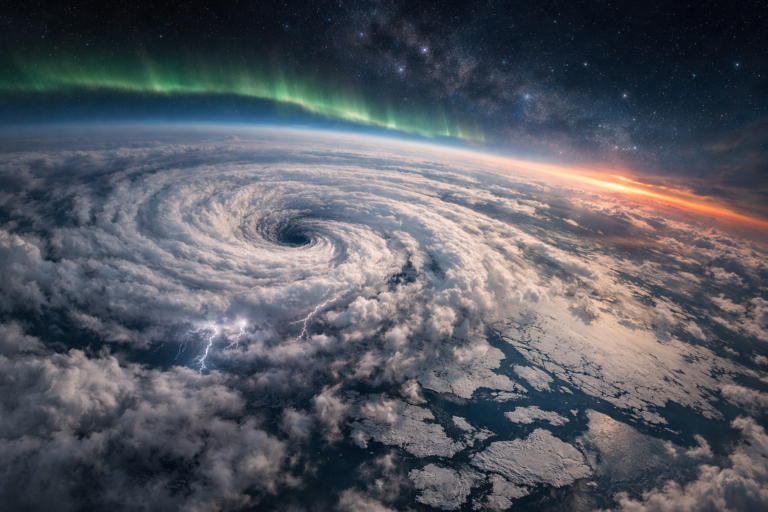
A major polar vortex disruption is reportedly developing, and experts say its potential March intensity is almost unheard of in modern records. The phrase captures growing concern among meteorologists and emergency planners as new atmospheric signals point toward an unusually strong disturbance in the upper atmosphere that could reshape weather patterns across the Northern Hemisphere.
What is a polar vortex disruption?
The polar vortex is a large, persistent area of low pressure and cold air surrounding the Earth’s poles. It usually stays confined to high latitudes, but changes in stratospheric circulation—especially sudden stratospheric warming (SSW) events—can weaken or displace it. When that happens, the jet stream shifts, and frigid polar air can plunge southward, producing extended cold snaps or anomalous storminess in mid-latitude regions.
A disruption doesn’t guarantee extreme weather at the surface, but it raises the odds of significant departures from typical seasonal conditions. The timing, strength, and pathway of the disturbed air mass determine whether impacts will be localized or widespread.
Why experts are alarmed this March
There are a few reasons forecasters are taking this developing event seriously:
- Signs in the stratosphere indicate a strong disruption is forming, with atmospheric blocking patterns that could persist for weeks.
- If the disruption evolves as some models suggest, its timing in March would be unusual; such intense events are more commonly observed in winter months.
- The potential intensity being discussed by experts has few parallels in modern instrumental records, which is why the current language includes descriptors like “almost unheard of.”
Put simply, forecasters are watching an event that could combine unusual timing and strength—an uncommon mix that raises uncertainty about downstream weather outcomes.
Possible impacts to expect
Impacts will vary by region and depend on how the disruption unfolds, but some plausible effects include:
- Colder-than-normal conditions in parts of North America, Europe, and Asia as polar air penetrates farther south.
- Increased risk of late-season snowfalls and icy conditions, particularly if moist storm systems interact with the displaced cold air.
- Shifts in storm tracks that could bring wetter conditions to some regions and drier conditions to others.
- Pressure on energy systems and agriculture if prolonged cold or late freezes occur during sensitive planting or bloom periods.
Communities should prepare for amplified weather variability rather than assume a single outcome. Local forecasts and updates from national meteorological agencies will provide the best guidance as the situation evolves.
Historical context: why “almost unheard of” matters
Modern meteorological records extend back several decades, and scientists use them to gauge how rare an event is. When experts say an event’s potential intensity is “almost unheard of in modern records,” they’re indicating that comparable patterns are rarely seen in the observational period used for analysis and model validation.
This matters for two reasons:
- Models calibrated on historical patterns may face greater uncertainty when predicting downstream effects.
- Infrastructure and contingency plans often assume weather behaviors within a known range; events outside that range can stress systems in unexpected ways.
That’s why forecasters emphasize both the rarity and the uncertainty—rare does not equal certain, but it does mean increased vigilance.
What to watch and how to prepare
If you live in a region that could be affected, consider these practical steps:
- Follow updates from trusted weather services and local authorities. Forecasts will refine as models converge.
- Prepare for potential late-season cold snaps: check heating systems, protect vulnerable plants, and keep an emergency kit with essentials.
- For travel or outdoor plans, build flexibility into schedules and monitor advisories for snow, ice, or storm warnings.
- Communities and utilities should review contingency plans for increased heating demand or storm-related outages.
Final thought
“A major polar vortex disruption is reportedly developing, and experts say its potential March intensity is almost unheard of in modern records”—this headline is a clarion call for heightened awareness, not panic. The situation still carries uncertainty, but its rarity and possible persistence mean it deserves close attention from forecasters, local planners, and the public alike. Stay informed, prepare sensibly, and expect updates as scientists refine their understanding in the coming days and weeks.