
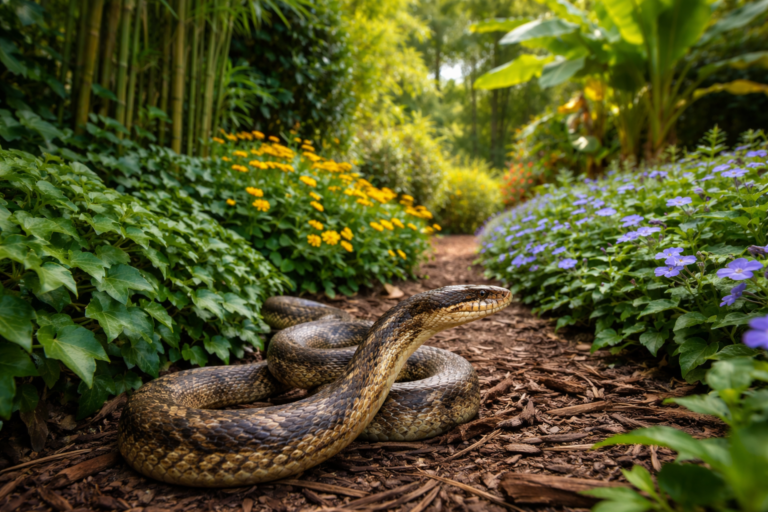
A lush, green garden is often seen as a symbol of beauty and tranquility. However, certain popular plants can unintentionally create the perfect environment for snakes. Contrary to common belief, plants themselves do not “attracts” snakes like flowers attract bees—but they create conditions that snakes actively seek: shade, moisture, shelter, and food sources.
In recent years, gardening experts have highlighted that plants such as English ivy, bamboo, oleander, and dense ground covers are among the biggest culprits. These plants can quietly transform your yard into a snake-friendly habitat, especially in warm climates.
Why Snakes Appear in Gardens
Snakes are not drawn to beauty—they are drawn to survival. Their presence in your yard usually means your garden offers three key elements:
- Food (rodents, frogs, insects)
- Water (moist soil, ponds)
- Shelter (dense plants, leaf litter)
A biodiverse garden often increases snake activity because it supports a full food chain.
This means that even the most visually appealing plant can become a hidden risk if it contributes to these conditions.
The “Beautiful But Risky” Plant: English Ivy
One of the most commonly flagged plants is English ivy (Hedera helix).
- Its thick, creeping growth creates dark, moist hiding spaces
- It attracts rodents and insects, which snakes feed on
- It spreads rapidly, forming dense mats perfect for nesting
Experts warn that this ornamental vine can unintentionally host snakes due to its structure and ecosystem impact.
Other Common Plants That Attract Snakes
Many popular garden plants share similar characteristics. Here are some of the most common:
- Bamboo – Dense stalks and shade create ideal shelter
- Lantana – Thick foliage and insect attraction
- Oleander – Provides cool hiding spots in hot climates
- Ground Cover Ivy & Periwinkle – Moist, shaded environments
- Banana Trees – Large leaves offer shelter and attract prey
- Tall Grass – Perfect camouflage and hunting ground
These plants don’t directly lure snakes, but they build the ideal ecosystem for them.
Table: Plants That May Turn Your Garden Into a Snake Haven
| Plant Name | Why It Attracts Snakes | Risk Level |
|---|---|---|
| English Ivy | Dense cover, attracts rodents | High |
| Bamboo | Thick shade and moisture retention | High |
| Oleander | Cool shelter and dense foliage | Medium |
| Lantana | Attracts insects and small prey | Medium |
| Banana Trees | Shelter + prey attraction | High |
| Ground Cover Ivy | Moist hiding spaces | High |
| Tall Grass | Camouflage and hunting ground | High |
The Science Behind Snake Attraction
Snakes rely heavily on environmental cues rather than visual beauty. Their behavior is influenced by:
1. Temperature Regulation
Snakes are cold-blooded and seek cool, shaded areas during hot weather.
2. Jacobson’s Organ
This sensory organ allows snakes to detect chemical signals in the air, helping them locate food sources and prey-rich environments.
3. Habitat Structure
Dense vegetation creates microhabitats where snakes can hide from predators and ambush prey.
Common Myths About Snake-Attracting Plants
Myth 1: Plants Directly Attract Snakes
This is false. Plants do not emit signals that attract snakes directly.
Myth 2: Fragrant Flowers Bring Snakes
Fragrance alone is not the cause. Instead, insects attracted to flowers may indirectly draw snakes.
Myth 3: Only Wild Areas Have Snakes
Even urban gardens can host snakes if they provide food, water, and shelter.
How To Make Your Garden Less Attractive To Snakes
If you want a beautiful but safe garden, follow these expert-backed strategies:
1. Reduce Dense Vegetation
Trim bushes and avoid thick ground covers near your home.
2. Control Rodents and Insects
Since snakes follow prey, eliminating pests reduces snake visits.
3. Remove Clutter
Wood piles, rocks, and leaf litter create ideal hiding spots.
4. Maintain Open Spaces
Keep lawns trimmed and allow sunlight to reach the ground.
5. Avoid Overwatering
Moist environments attract amphibians and insects, which attract snakes.
Should You Completely Avoid These Plants?
Not necessarily. These plants can still be used safely if managed properly:
- Keep them well-trimmed
- Avoid planting them near entrances or walkways
- Combine with snake-deterrent landscaping techniques
In fact, snakes also play an important ecological role by controlling pests like rodents and insects.
Future Gardening Trends and Snake Awareness
Modern landscaping trends are shifting toward eco-conscious gardening, which increases biodiversity. While beneficial, this also raises the likelihood of encountering wildlife, including snakes.
Future garden planning will likely focus on:
- Balanced ecosystems
- Safer plant placement strategies
- Smart landscaping design to minimize risk
Understanding plant choices is becoming a key part of safe gardening practices.
Conclusion
The idea that a single plant attracts snakes is misleading. However, certain plants—especially those with dense foliage, moisture retention, and prey attraction—can turn your garden into a perfect reptile habitat.
Plants like English ivy, bamboo, and oleander may look beautiful, but they can unintentionally create a snake-friendly environment. The key is not fear, but awareness. By managing your garden layout and maintenance habits, you can enjoy a lush outdoor space without increasing the risk of unwanted visitors.