
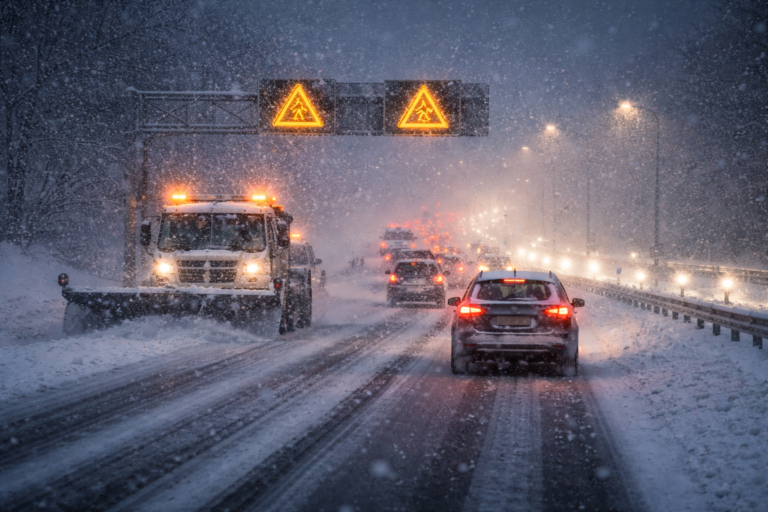
Heavy snow is now officially confirmed to begin late tonight, as weather alerts warn of major disruptions, travel chaos, and dangerous conditions. Meteorologists are urging residents to take the warnings seriously: this system is expected to bring rapid accumulation, reduced visibility, and a higher risk of accidents and power outages. Preparing now can make the difference between being inconvenienced and being stranded.
What to expect
- Rapid snowfall rates in a short period, creating quick accumulation on roads and sidewalks.
- Strong winds in some areas producing blowing snow and whiteout conditions.
- Icy surfaces as temperatures drop, increasing the chance of slips and vehicle skids.
- Localized power outages from heavy, wet snow weighing down tree limbs and power lines.
Conditions will vary by location, but the overall message from officials is consistent: plan for significant disruptions to travel, services, and daily routines.
Immediate actions to take tonight
- Check local weather alerts and official sources.
- Bookmark or enable push alerts from your national meteorological service or local emergency management office.
- Avoid non-essential travel once the snow begins.
- Roads will deteriorate quickly. If you must travel, let someone know your route and expected arrival time.
- Charge phones and essential devices.
- Power outages are common during heavy snow and high winds. Keep a portable battery pack charged.
- Prepare a basic emergency kit (see next section).
- Bring pets and outdoor plants indoors or provide sheltered space.
These simple steps will reduce stress and increase safety once the storm hits.
Emergency kit checklist
- Flashlight and extra batteries
- Portable phone charger / power bank
- Bottled water (at least three days’ supply recommended)
- Nonperishable food for several days
- Warm blankets and extra clothing
- First-aid kit and necessary prescription medications
- Battery-powered or hand-crank weather radio
- Snow shovel, salt, or cat litter for traction
- Ample supplies for infants, seniors, or pets, as needed
Assemble these items now so you won’t be scrambling in the middle of the night.
Travel guidance and public transit
Public transit agencies often reduce service or suspend lines during severe snow. Airports may delay or cancel flights. If you have travel plans, contact your carrier and check service advisories frequently. For those who must drive:
- Keep speeds low and increase following distances.
- Use headlights; never use cruise control on slippery roads.
- Know how to handle skids: steer into the skid and avoid heavy braking.
- Carry warm clothing and a charged cell phone. If stranded, stay with your vehicle for shelter.
When visibility falls, the safest option is to pull over in a safe area off the roadway until conditions improve.
Protecting your home and property
Heavy, wet snow can damage roofs, gutters, trees, and power lines. Before the storm:
- Secure loose outdoor items that could be blown around.
- Trim weak tree branches near your home to reduce the risk of falling limbs.
- Clear gutters if leaves or debris could trap melting snow and cause ice dams.
- Know how to safely shut off utilities in case of emergency, and have important numbers handy.
If you lose power, keep refrigerator and freezer doors closed to preserve food. Use generators only outdoors and away from windows to avoid carbon monoxide poisoning.
Look out for others
Check on neighbors, especially the elderly, people with mobility challenges, and those who live alone. Offer to help clear driveways or pick up groceries if you can do so safely. Community support reduces risks and helps responders focus on emergencies.
Final thoughts
Heavy snow is now officially confirmed to begin late tonight, as weather alerts warn of major disruptions, travel chaos, and dangerous conditions — but with timely preparation you can significantly reduce the impact on you and your family. Stay informed through official channels, minimize unnecessary travel, and prioritize safety. If conditions worsen, follow instructions from local authorities and emergency services.
Stay warm, stay safe, and keep an eye on updates through the night.