
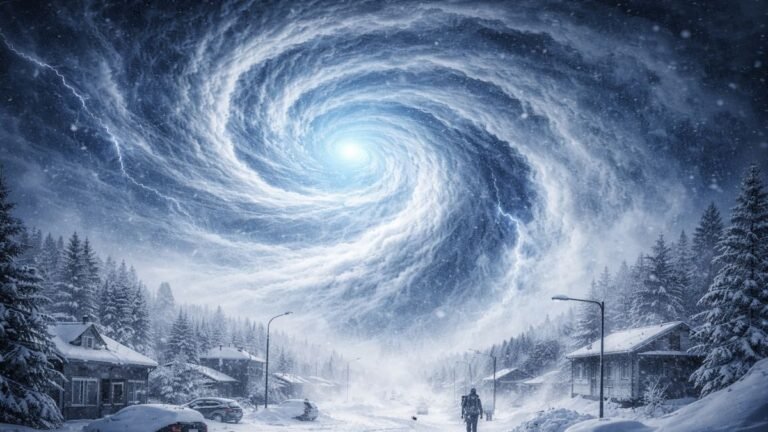
A powerful polar vortex anomaly is on the way, and meteorologists are warning that its strength and timing are unusually extreme for March. What normally would be a winter phenomenon confined to the coldest months is arriving late in the season, raising concerns about widespread impacts on transportation, energy systems, agriculture, and public health.
What is a polar vortex anomaly?
The polar vortex is a large area of low pressure and cold air surrounding both of Earth’s poles. It weakens in summer and strengthens in winter. Occasionally, the vortex becomes distorted or displaced, allowing frigid Arctic air to plunge southward. When that displacement is stronger or lasts longer than normal, scientists call it an anomaly.
This March event is notable for two reasons:
- The vortex is unusually deep and far-reaching for late winter.
- The jet stream pattern that usually keeps Arctic air bottled up has weakened or buckled, enabling a broad, sustained outbreak of cold.
Why is this happening now?
Atmospheric dynamics are complex, but several contributing factors are often cited:
- Sudden stratospheric warming (SSW) or other high-atmosphere disturbances can disrupt the vortex and alter the jet stream.
- Sea-ice and snow cover anomalies in the Arctic can change temperature gradients that influence large-scale circulation.
- A wavier jet stream—possibly influenced by Arctic amplification—can allow cold air to move much farther south than usual.
Researchers are still assessing exact causes for this specific anomaly. While a single event does not prove long-term trends, climate change can modify background conditions that make extreme shifts in circulation patterns more likely.
Where and when will the cold hit?
Forecast models indicate that the cold pulse will spread across large swaths of the mid-latitudes, with some regions experiencing:
- Rapid temperature drops of 20–40°F (10–20°C) below seasonal norms.
- Overnight freezes after a period of milder weather.
- Strong, gusty winds that increase wind chill and create hazard conditions.
Timing and exact geographic reach will vary by model and will be refined as the event unfolds. Stay tuned to local weather services for the latest watches and warnings.
Expected impacts
A polar vortex anomaly this late in the season can have outsized consequences:
- Transportation: Snow, freezing rain, and icy roads can disrupt flights, highways, and rail networks. Late-season storms also interfere with spring travel and rush-hour commutes.
- Power and energy: Sudden spikes in heating demand strain electrical grids and natural gas supplies. Equipment failures and outages become more likely, especially if systems were already heading into maintenance season.
- Agriculture and horticulture: Crops and budding trees that started to awaken from winter dormancy are vulnerable to late freezes, which can damage buds and reduce yields.
- Infrastructure: Water pipes, exposed plumbing, and irrigation systems not winterized for deep cold can burst.
- Health: Increased risk of hypothermia, frostbite, and exacerbation of respiratory and cardiovascular conditions. Vulnerable populations (elderly, infants, homeless) face greater danger.
How to prepare — practical steps
Whether you expect a severe storm or a sudden cold snap, these actions can reduce risk and disruption:
- Monitor official forecasts and alerts from the National Weather Service or your regional meteorological agency.
- Winterize indoor plumbing: insulate exposed pipes, disconnect outdoor hoses, and know how to shut off water quickly.
- Protect plants: cover sensitive vegetation, move potted plants indoors, and delay planting until the risk of freeze truly passes.
- Prepare your vehicle: top off antifreeze, keep the gas tank at least half full, and carry an emergency kit (blankets, flashlight, snacks, first-aid supplies).
- Check heating systems and have backup heat options ready; avoid using unvented combustion devices indoors.
- Look out for neighbors and relatives who may need help, especially older adults and those with chronic illnesses.
- Secure outdoor furniture and equipment to prevent damage from strong winds and ice.
The bigger picture
Late-season polar vortex anomalies remind us that weather extremes can occur outside typical windows and that our infrastructure and readiness plans must be flexible. Scientists are actively studying how Arctic changes and broader climate variability interact to produce such events. While attribution of a single anomaly to climate change requires careful analysis, the trend toward greater atmospheric instability and unusual circulation patterns is a topic of active research.
Final note
If you live in an area expected to get hit, take the forecasts seriously and prepare now. Early action—insulating pipes, checking your heating system, and assembling an emergency kit—can make the difference between a manageable disruption and a dangerous emergency. Keep updates from trusted local weather authorities and stay safe as this rare March cold event unfolds.