
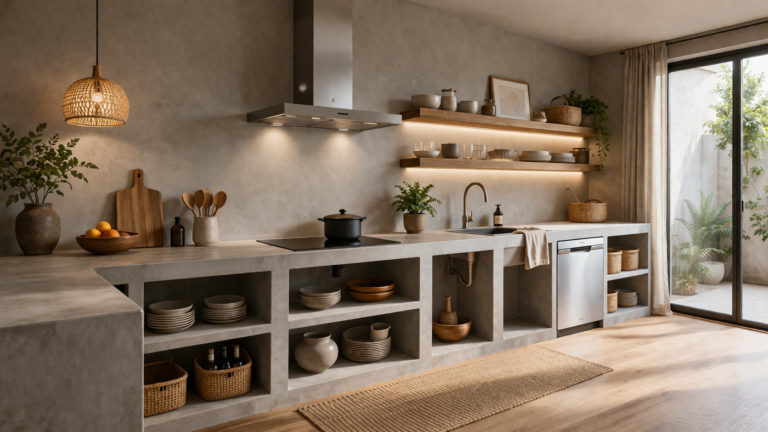
Kitchen design is changing. Homeowners are moving away from bulky, expensive cabinetry toward smarter, more affordable systems that are easier to install, maintain, and keep dry. The driving force? Materials and construction methods that resist moisture, mildew, swelling, and warping — problems that have plagued traditional wood cabinets for decades.
Why traditional kitchen cabinets fail
Most traditional cabinets are built from timber, plywood, or MDF. These materials look great but have a fatal flaw: they absorb moisture. Steam from boiling pots, poor ventilation, and occasional leaks all allow water to penetrate. Over time that leads to:
- Swelling and warping of panels and doors
- Delamination of veneers and finishes
- Mould and mildew growth in hidden cavities
- Costly repairs or complete replacement
When you factor in the cost of custom cabinetry and installation, the total price can be surprisingly high. That’s why the market is embracing cheaper alternatives that target the root cause: moisture-sensitive material.
The cheaper new trend that won’t warp, swell, or go mouldy over time
The new trend combines two simple ideas: swap moisture-vulnerable materials for moisture-proof ones, and simplify the structure. Instead of full boxed cabinets, homeowners are choosing open shelving and modular wall systems made from materials such as:
- Powder-coated steel or aluminum frames
- Stainless steel shelving and cabinets
- Solid surface panels (e.g., non-porous acrylic composites)
- Marine-grade or waterproof laminate with sealed edges
- uPVC or other rigid plastic shelving systems
These materials are inherently water-resistant. They don’t absorb humidity, they don’t delaminate easily, and most can be cleaned with simple household detergents without risk of damage. Combined with minimalist designs, they produce kitchens that both look modern and last longer in damp conditions.
Benefits beyond moisture resistance
Switching to these systems offers several practical advantages:
- Lower upfront costs: metal-frame shelving and modular units are often cheaper to buy and quicker to install than bespoke wooden cabinets.
- Easier maintenance: open shelving and non-porous surfaces wipe clean in seconds and rarely harbour mould.
- Flexibility: modular systems are easy to reconfigure if you move or remodel.
- Lighter weight: wall-mounted frames and metal shelves reduce structural strain, making them suitable for apartments and older houses.
- Contemporary aesthetic: exposed shelving and industrial-style units are on-trend and make small kitchens feel airier.
What to choose: material guide
Choose based on budget, style, and how you use your kitchen:
- Stainless steel: ideal for heavy use and frequent cleaning. Commercial-kitchen durable, rust-resistant grades are preferable.
- Powder-coated steel or aluminum: offers color options and good corrosion resistance if kept dry; choose high-quality coatings for longevity.
- Solid surface (acrylic composite): non-porous and seamless, good for integrated shelving and counters.
- Waterproof laminate with sealed edges: cost-effective and available in many finishes; ensure edges and joins are fully sealed.
- Rigid plastic/uPVC: inexpensive, waterproof, and lightweight — great for utility kitchens and rental properties.
Practical installation and maintenance tips
- Prioritize ventilation: even moisture-resistant kitchens benefit from good airflow. Install extractor fans and keep windows open where possible.
- Seal joins and fixings: water can enter at screws and seams — use silicone sealant in vulnerable spots.
- Use stainless or coated fixings: avoid plain steel screws that can rust and stain surfaces.
- Keep frequently wet items off open shelving: use baskets or trays for dishware to keep surfaces dry.
- Clean regularly: wipe down shelves weekly to remove grease and moisture before mould can take hold.
Is this trend right for your home?
If you’re tired of paying for expensive custom cabinetry or you live in a humid climate, switching to moisture-proof shelving and modular units is worth considering. It’s not just cheaper — it’s a practical response to a common failure mode of traditional kitchens. The aesthetic suits modern, minimalist tastes, and the maintenance savings quickly add up.
Goodbye kitchen cabinets: the cheaper new trend that won’t warp, swell, or go mouldy over time is more than a slogan — it’s a sensible, durable direction for contemporary kitchens. Embrace materials that resist water, simplify your layout, and you’ll get a kitchen that stays functional and fresh for years without the worry of rot or mould.