
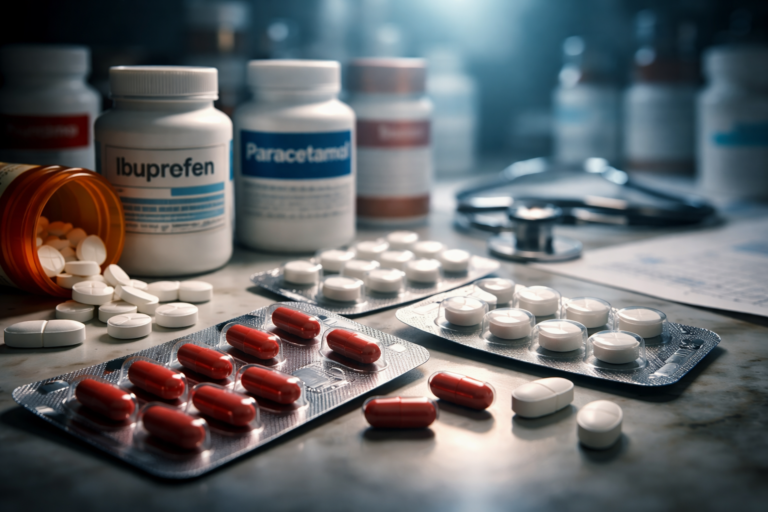
Ibuprofen and paracetamol are household names. They ease headaches, reduce fevers and make minor injuries tolerable. Their ubiquity—cheap, over-the-counter, and trusted—has created a quiet paradox: medicines that save lives and relieve suffering when used properly can also drive a large-scale public health problem when their risks are underestimated or systems fail.
Why these painkillers matter globally
Millions of people take ibuprofen and paracetamol every day. That scale is the first reason they matter: even rare adverse events become numerically significant when exposure is global. The second reason is accessibility. Because these drugs are available without prescription, they are often the first and only option for people in low-resource settings, rural communities, and emergency situations.
Taken together, scale plus accessibility means small problems—misunderstanding dosing, counterfeit supplies, interrupted production—can quickly become big problems affecting whole populations.
Main threats linked to ibuprofen and paracetamol
Several interlocking threats elevate routine analgesics into a potential global health emergency:
Toxicity from overdose
Paracetamol (acetaminophen) overdose is a leading cause of acute liver failure in many countries. Because it’s included in many combination products, accidental cumulative overdoses are common.Adverse effects and drug interactions
Ibuprofen, a non-steroidal anti-inflammatory drug (NSAID), increases risks of gastrointestinal bleeding, kidney injury, and cardiovascular events in vulnerable patients. When combined with other medications (like anticoagulants), harms multiply.Misuse and self-medication
Easy access fosters complacency. People often exceed recommended doses, use multiple products containing the same active ingredient, or delay seeking medical care thinking a painkiller will suffice.Counterfeit and substandard medicines
Illicit manufacturing and poor-quality supply chains can put toxic or ineffective products into circulation. In some regions, falsified analgesics have caused severe harm.Supply chain disruptions
Natural disasters, geopolitical tensions, or manufacturing bottlenecks can cause shortages of basic analgesics. In crises, shortages could limit pain management for surgeries, childbirth, and trauma care.Environmental impact
Widespread disposal of unused tablets and excreted metabolites can contaminate waterways, affecting ecosystems and potentially human health via water supplies.
The human cost
When aggregated, these issues already translate into real-world consequences: thousands of hospitalizations for overdose, preventable liver transplants, avoidable bleeding and kidney failures, and deaths. In low- and middle-income countries, where monitoring and clinical capacity are limited, the burden can be disproportionately severe.
The problem is not the medicines themselves but how they are integrated into health systems, regulated, and used by the public. With growing global populations, aging societies, and rising self-care trends, the scale of usage will only increase—magnifying existing vulnerabilities.
What needs to change
Preventing a looming emergency requires actions across policy, industry, health services, and public education. Key interventions include:
Better labeling and clearer dosing guidance
Standardized, prominent instructions and warnings, including maximum daily doses and alerts about combination products.Public education campaigns
Simple, multilingual messaging about safe dosing, risks of mixing products, and when to seek medical attention.Strengthened regulation and surveillance
Tighter controls on manufacturing quality, improved pharmacovigilance to detect adverse event patterns, and rapid response to counterfeit circulation.Safer packaging and dispensing practices
Unit-dose packaging, child-resistant containers, and limits on pack sizes for over-the-counter sales can reduce accidental and intentional overdoses.Clinical decision support and primary-care training
Equip frontline health workers with tools to advise on safe use, recognize early toxicity signs, and manage complications.Secure and resilient supply chains
Diversify production, maintain strategic stockpiles, and improve global cooperation to prevent shortages during crises.Environmental mitigation
Encourage proper disposal programs and research on wastewater treatment to reduce pharmaceutical pollution.
A call to action
Ibuprofen and paracetamol will remain essential medicines. The task is to harness their benefits while minimizing harm. That requires recognizing that everyday choices—how we buy, instruct, regulate and dispose of these drugs—carry systemic consequences. Policymakers, clinicians, manufacturers and the public all have roles to play.
If we act now to tighten safeguards, improve education, and strengthen systems, we can keep these ordinary medicines from becoming the epicenter of an extraordinary health emergency.