
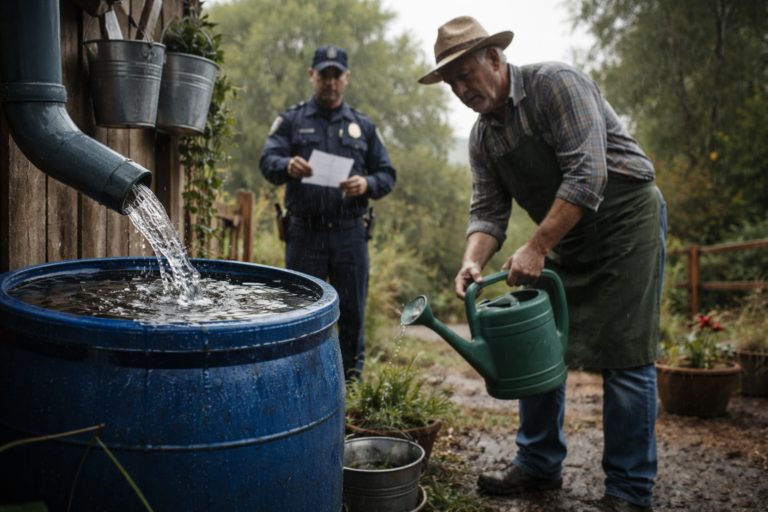
Many gardeners rely on captured rainwater as an economical, sustainable way to water plants. But starting March 18, a new rule will change the landscape: “Bad news : a 135 fine will apply to gardeners using rainwater without authorization starting March 18.” If you collect or use rainwater in your garden, read on for what this means and how to stay compliant.
What the change means
Authorities are introducing a penalty of 135 (currency units) for gardeners who use rainwater without prior authorization. The fine applies from March 18 onward and targets unauthorized capture, storage, or use of rainwater for gardening purposes.
This measure is likely part of a broader regulatory shift tied to water management, safety standards, or conservation policy. Whether your rainwater setup is a simple barrel or a more elaborate cistern, the key point is whether you have the required permission.
Who is affected
- Home gardeners using rain barrels, tanks, or cisterns without official permission
- Community gardens operating informal rainwater systems
- Urban allotments and small-scale growers relying on collected runoff
If you already have formal authorization or a permit, this change may not affect you. If you do not, you should assume enforcement begins on March 18.
Why authorities might impose fines
There are several common reasons governments regulate rainwater use:
- Ensuring public water rights and equitable access
- Preventing contamination of potable water supplies
- Managing runoff to avoid flooding or damage to shared infrastructure
- Enforcing health and safety standards for domestic water systems
Understanding the rationale can help you respond constructively when applying for authorization or adjusting your setup.
Steps gardeners should take now
- Verify current rules
- Check the official website of your local water authority or municipal government for the exact regulation and guidance.
- Apply for authorization if required
- Look for a permit or registration process, application forms, and any associated fees.
- Inspect and document your system
- Take photos, measure storage capacity, and note how water is diverted and used. This documentation can help with permits or appeals.
- Upgrade to compliant equipment
- Authorities may require screens, secure lids, overflow controls, or dedicated plumbing to prevent cross-connections.
- Temporarily stop unauthorized use if enforcement is imminent
- If you’re unsure about your status and March 18 is near, pause use until you confirm compliance.
Alternatives and interim solutions
If authorization is delayed or denied, consider these options:
- Use municipal or tanker-supplied water for garden needs
- Switch to drought-tolerant plants that require less watering
- Invest in soil amendments and mulches to retain moisture
- Explore collective authorization through community garden groups, which can sometimes streamline approval
What to do if you receive a fine
- Don’t ignore the notice. Read it carefully to understand the basis for the penalty.
- Check appeals procedures and deadlines on the issuing authority’s website.
- Gather evidence of authorization attempts, compliance efforts, or extenuating circumstances.
- Seek legal advice if the fine seems unfair or if the regulation is ambiguous.
Final thoughts
The headline “Bad news : a 135 fine will apply to gardeners using rainwater without authorization starting March 18” is a clear call to action. Whether you collect rainwater for environmental reasons or to trim household costs, now is the time to confirm your legal status.
Act quickly: review local rules, apply for any necessary authorization, and make simple system upgrades if required. Staying informed and proactive will help you avoid penalties and continue gardening responsibly.