
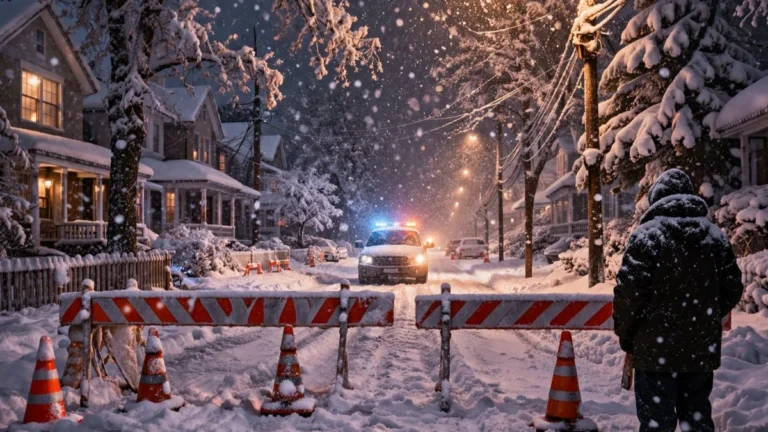
Authorities spark outrage after confirming heavy snow and urging citizens to stay home instead of going to work starting late tonight
Local and regional authorities have confirmed heavy snowfall expected to begin late tonight and have urged citizens to stay home rather than go to work. The announcement, intended to protect public safety, has instead sparked outrage across social media, business groups, and among commuters who say the directive is unclear, unfair, or economically damaging.
What officials said — and why
Meteorological services issued warnings earlier in the day: a fast-moving winter system will bring significant accumulation, strong winds, and sudden temperature drops. In response, municipal leaders and transport agencies released a coordinated advisory asking residents to avoid non-essential travel and to refrain from attending workplaces starting late tonight. The stated goals are to reduce accidents, keep emergency routes clear, and allow crews to pre-treat and plow roads.
For many officials, the guidance was a straightforward safety-first decision. When severe conditions arrive quickly, early shelter-in-place orders can reduce strain on emergency services and prevent roads from becoming impassable.
Why the advisory provoked outrage
Despite the safety intent, the announcement provoked several lines of criticism:
- Timing and clarity: Some workers say the message arrived with little notice, making it hard to arrange childcare, cover shifts, or coordinate public transport.
- Economic impact: Small businesses and hourly employees worry about lost wages and customer cancellations, especially when no paid-leave support or compensation details were provided.
- Enforcement and fairness: Commuters and employers asked whether the advisory is voluntary or mandatory, and whether public transit, essential services, and certain industries are exempt.
- Mixed messaging: Conflicting updates from different levels of government and employers left many uncertain about what to do tomorrow morning.
These frustrations amplified rapidly on social platforms. Hashtags and comment threads show a mix of anger, ridicule, and genuine concern, with some users calling the advisory an overreach and others praising the precaution.
How authorities could have reduced backlash
Better communication might have softened the reaction. Clear, early, and consistent messaging helps. Practical steps authorities can take in future similar events include:
- Provide lead time: Announce decisions as early as possible with clear effective times.
- Define scope: Clarify whether the stay-home guidance is advisory or mandatory, and list exemptions (healthcare, utilities, public safety).
- Coordinate with employers and transit agencies: Share plans for essential services, schedule cancellations, and support for shift workers.
- Offer economic guidance: Explain whether public aid, sick pay, or municipal relief is available for impacted workers and businesses.
- Use multiple channels: Combine official websites, push alerts, radio, transit signage, and local media for widespread coverage.
What citizens should do tonight and tomorrow
If you live in an area under the advisory, take practical steps now to stay safe and avoid adding to the problem tomorrow:
- Stay informed: Follow official weather and municipal channels for updates and any changes to the advisory.
- Prepare essentials: Charge phones, gather medications, stock basic food and water, and ensure you have warm clothing and blankets accessible.
- Check plans with your employer: Ask whether remote work is possible or if leave arrangements can be made. Document communications.
- Avoid unnecessary travel: If you must travel, tell someone your route and expected arrival time, and carry an emergency kit in your vehicle.
- Help neighbors: Check on older or vulnerable neighbors to ensure they are aware and prepared.
Balancing safety and livelihoods
The tension between public safety and personal livelihood lies at the heart of the outrage. Authorities may be right to prioritize life and limb — heavy snow and black ice create dangerous conditions that can overwhelm emergency response — but without practical supports and clear communication, even well-intentioned directives can feel arbitrary or punitive.
Transparent decisions that pair safety advice with concrete support—temporary transit adjustments, employer guidance, and temporary financial relief for hourly workers—would help communities accept necessary precautions without feeling unduly burdened.
Final thought
When “Authorities spark outrage after confirming heavy snow and urging citizens to stay home instead of going to work starting late tonight,” the conversation that follows should focus less on blame and more on practical fixes: clearer communication, coordinated responses, and measures that protect both public safety and people’s ability to earn a living. In severe weather, thoughtful preparation and mutual cooperation are the best tools for keeping everyone safe and minimizing disruption.