
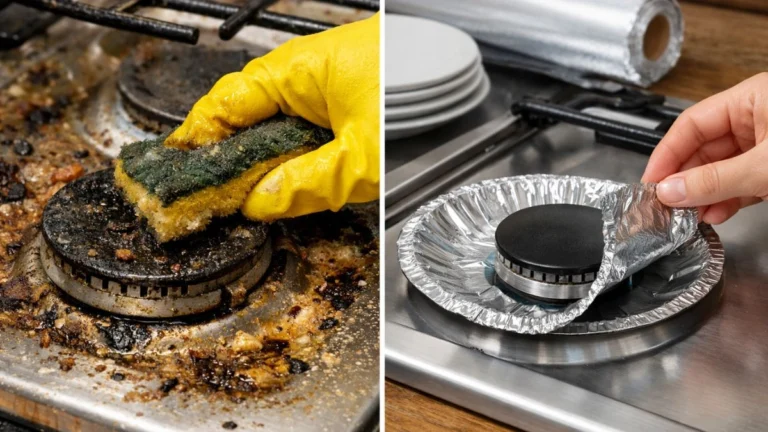
This everyday mistake makes objects harder to clean. We all want clean dishes, shiny countertops, and fresh-smelling clothes — but one tiny habit often sabotages our efforts. This everyday mistake makes objects harder to clean: letting dirt, spills, and moisture sit and dry instead of dealing with them right away.
It seems harmless to leave a spill for “later,” but waiting gives stains time to set, oils time to bond, and biofilms time to form. The result is more scrubbing, stronger chemicals, and sometimes permanent damage.
Why delaying cleaning makes things worse
When a spill or mess is fresh, it’s usually water-soluble and much easier to remove. Over time, several processes happen:
- Liquids evaporate and leave behind concentrated residues.
- Oils oxidize and polymerize, sticking to surfaces (think cooking oils on pans).
- Organic matter attracts bacteria and molds that create slimy biofilms.
- Stains penetrate porous materials like fabric, wood, or grout.
- Dried grime becomes mechanically bonded and requires abrasive action.
These chemical and physical changes increase the effort, time, and cleaning products required. What would have taken a quick wipe can become a soaking-and-scrubbing marathon.
Common examples across the home
- Kitchen: Leftover grease on a pan or stovetop hardens and forms a sticky, crusty layer that resists soap.
- Bathroom: Soap scum and toothpaste splatters dry onto tiles and mirrors, needing repeated scrubbing.
- Laundry: Spilled juice or oil that isn’t pretreated can leave a permanent mark.
- Electronics: Fingerprints and dust left on screens begin to etch or trap grime in ports.
- Outdoor gear: Mud left to dry in shoe treads or backpack seams can degrade materials and smell.
Recognizing how quickly messes change helps prioritize quick interventions, especially on surfaces that are delicate or porous.
Quick actions that save time later
A few small habits prevent buildup and keep things easy to clean:
- Wipe spills immediately with a damp cloth or paper towel.
- Rinse or soak dishes right after use to prevent stuck-on food.
- Treat laundry stains promptly with a stain remover or detergent.
- Rinse cookware while it’s still warm (but not hot) to loosen residue.
- Use a squeegee on shower walls after every use to minimize soap scum.
These small, fast actions often take less time than dealing with a dried mess later. The key is consistency: a 10–30 second cleanup now can save 10–30 minutes later.
Tools and products that help
Having the right tools close at hand makes immediate cleanup realistic:
- Microfiber cloths for quick, streak-free wiping.
- Spray bottles with diluted cleaner for quick spot treatment.
- A basin for soaking pans or utensils.
- Squeegee for bathroom surfaces and shower doors.
- Stain pens or prewash sprays for clothes.
Keep basic cleaning supplies in convenient places: under the sink, near the stove, or in the laundry room. Convenience increases the chance you’ll clean right away.
When to soak, when to scrub
Not every mess requires the same response. Use this quick guide:
- Fresh, wet spills: blot and wipe immediately.
- Grease or baked-on food: soak first, then wipe or scrub gently.
- Stains on fabric: pretreat and launder as soon as possible.
- Soap scum or mineral deposits: regular squeegeeing and occasional vinegar soak work well.
- Electronics: power down and use a microfiber cloth and compressed air — no soaking.
Soaking loosens bonds and dramatically reduces the need for harsh abrasives, which can damage finishes.
Prevention beats repair
Beyond immediate cleaning, a few preventive habits reduce future scrubbing:
- Use mats or coasters to protect surfaces.
- Apply protective coatings (sealants) to porous countertops and grout.
- Wipe high-traffic items weekly before dirt sets in.
- Store items dry and ventilated to prevent mold and mildew.
Prevention reduces exposure to elements that accelerate setting and staining.
Final thought
This everyday mistake makes objects harder to clean because it lets nature do the work of cementing messes in place. A tiny change — a quick wipe, a rinse, or a pretreat — saves time, money, and frustration. Next time you see a spill, act in the moment; your future self will thank you.