
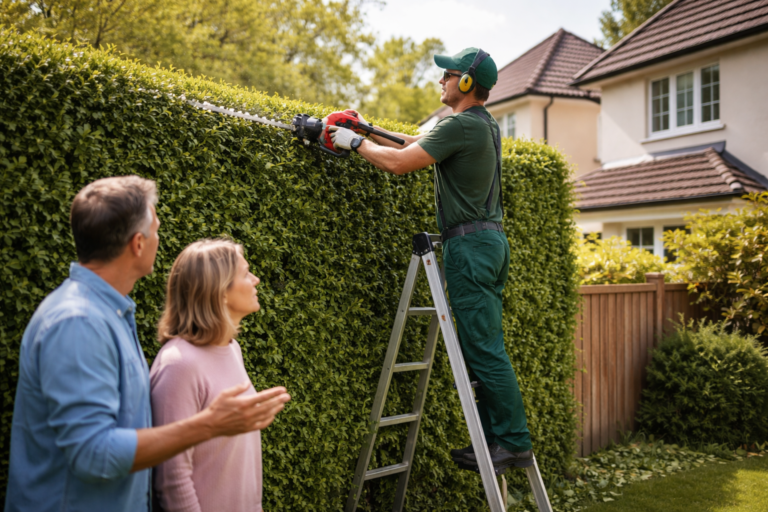
A new rule coming into effect changes how homeowners must manage boundary vegetation. From March 15, hedges exceeding 2 meters in height and located less than 50 cm from a neighbor’s property will have to be trimmed or face penalties. Whether you’re a proud gardener or simply like privacy, this update affects anyone with tall hedges near property lines.
What the rule means for homeowners
The rule sets two simple limits:
- Hedges taller than 2 meters (about 6.6 feet) that
- Stand less than 50 cm (about 1.6 feet) from a neighbor’s property line
If both conditions apply, the hedge must be reduced so it complies with the height and setback requirements. Failure to act can lead to warnings, fines, or formal orders to trim vegetation.
Why this regulation exists
Local authorities introduce rules like this to:
- Prevent disputes over light, shade, and overhanging roots
- Protect access and safety for neighboring properties
- Encourage predictable boundaries and reduce long-term maintenance costs
- Ensure hedges do not obstruct sightlines on roads or footpaths
The policy aims to balance individual landscaping choices with neighbors’ rights and public safety.
Steps to comply before March 15
Measure your hedge:
- Use a tape measure to check the height from ground level.
- Measure the horizontal distance from the trunk or base of the hedge to the neighbor’s boundary to confirm if it’s under 50 cm.
Communicate with your neighbor:
- Let them know you plan to trim; cooperation reduces conflict.
- Confirm the property line if there’s any doubt—your neighbor or a title plan can help.
Trim or arrange trimming:
- If you’re comfortable, prune the hedge to the required height and setback.
- If it’s large or near structures, consider hiring a professional.
Keep records:
- Take dated photos of the hedge before and after work.
- Keep invoices or contracts if you hire help—useful if a notice is issued.
Practical trimming tips
- Trim gradually over multiple sessions rather than cutting too much at once; this reduces stress on the plant.
- Aim to taper the hedge so it’s slightly narrower at the top than the bottom—this allows light to reach lower branches and keeps the hedge healthy.
- Use the right tools: hand shears for small shrubs, powered hedgers for larger hedges, and saws for thick stems.
- Wear protective gear: gloves, eye protection, and sturdy footwear.
- Check for nesting birds or wildlife, and avoid major disturbance during nesting season where possible.
When to call a professional
Hire a professional if:
- The hedge is very tall or unstable
- There are power lines, structures, or difficult access
- You prefer a formal-as-built record or need complex shaping
- You want a warranty or insurance coverage for the work
A reputable tree surgeon or hedge contractor can advise on best practices and handle waste disposal.
Enforcement and penalties
Penalties vary by local authority but commonly include:
- Initial warning letters and a deadline to comply
- Fixed penalties or fines if you fail to act
- Enforcement orders requiring trimming by a set date
- Authorities sometimes carry out the work and charge the property owner for costs
Respond promptly to any notice from your council to avoid escalation.
Neighborly approach and dispute prevention
- Talk early: a simple conversation often prevents formal complaints.
- Offer to share costs if trimming affects both properties.
- Agree on a maintenance schedule to avoid future breaches.
- If disputes persist, use mediation services or local dispute resolution before formal enforcement steps.
Final checklist
- Measure height and setback now.
- Talk to your neighbor.
- Arrange trimming and document the work.
- Keep evidence of compliance in case of inspection.
From March 15, hedges exceeding 2 meters in height and located less than 50 cm from a neighbor’s property will have to be trimmed or face penalties. Planning ahead keeps your garden healthy, maintains good neighbor relations, and helps you avoid fines.