
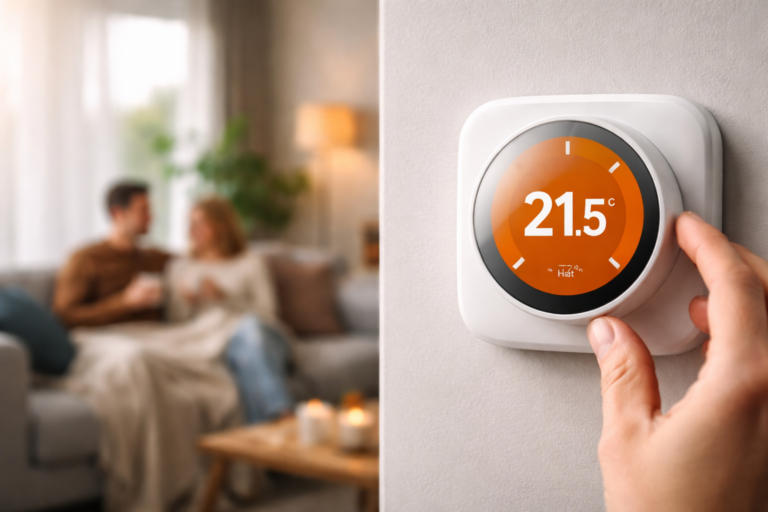
For years many households treated 19 °C as the “magic” thermostat setting: warm enough to be comfortable, low enough to save energy. But recent guidance from energy and health experts has shifted away from a single universal number. Heating advice is becoming more nuanced, tailored to who’s in the home, which room you’re in, and what time of day it is.
Why the one-number rule is falling out of favor
A single target temperature doesn’t reflect real-life needs. People have different comfort ranges, homes vary in insulation and layout, and health considerations matter. Rather than insisting everyone set thermostats to 19 °C, experts now recommend using variable temperatures and smarter controls to balance comfort, health, and energy use.
Key reasons for the change:
- Individual comfort differs by age, health and activity level.
- Room function affects ideal temperature (bathrooms vs bedrooms).
- Modern thermostats and zoning systems make tailored heating easy.
- Energy-saving strategies can rely on behavior and insulation as much as thermostat settings.
What experts now recommend — practical temperature ranges
Below are commonly recommended temperature bands based on room use and occupant needs. Treat these as flexible guidelines, not rigid rules.
Living rooms and main daytime spaces: 19–21 °C
Comfortable for most people while sitting or moving gently. If you’re more sedentary, lean toward the warmer end.Bedrooms at night: 16–18 °C
Cooler bedrooms generally improve sleep quality. Use blankets, warm pyjamas and hot water bottles if needed.Bathrooms and dressing areas (when in use): 22 °C or a short burst of heating
A warmer bathroom reduces discomfort when getting dressed after a shower; consider a timed boost rather than continuous heat.Homes with infants, older adults, or people with health conditions: 20–22 °C
Vulnerable occupants need a warmer environment to reduce health risks.Unused rooms: 12–16 °C
Keep unused rooms above freezing to prevent damp and preserve pipes, but you don’t need to heat them to living-room levels.
Use smarter controls, not just a higher dial
Adjusting settings by room and time saves energy and increases comfort. Consider these control options:
- Programmable thermostats: set daytime, evening and night temperatures automatically.
- Smart thermostats: learn routines, adapt to weather forecasts, and can be controlled remotely.
- Thermostatic radiator valves (TRVs): allow different temperatures in each room.
- Zoned heating: separate boilers or multi-zone systems provide precise control for large homes.
Small changes that make a big difference
You don’t have to live colder to save energy. Combine modest thermostat reductions with insulation and behavior changes.
Practical tips:
- Reduce the main thermostat by 1 °C — studies estimate this cuts heating energy by around 7–10%.
- Draught-proof windows and doors; add sealant and draft excluders.
- Improve insulation: loft, wall and pipe insulation retain heat longer.
- Use thick curtains and rugs to reduce heat loss from windows and floors.
- Layer clothing and use blankets when sitting still.
- Heat rooms only when in use; close doors to contain warmth.
- Maintain humidity between 40–60% for perceived warmth and better air quality.
Balancing health, comfort and energy bills
The new approach recognizes that the “right” temperature depends on people and context. For most homes, a living-room thermostat set between 19 and 21 °C, cooler bedrooms, occasional bathroom boosts, and a warmer setting for vulnerable occupants will strike the best balance.
Finally, remember that heating efficiency starts long before the thermostat. Investing in insulation, sealing leaks and upgrading controls often delivers bigger savings and greater comfort than obsessing over a single degree on the thermostat.
Bottom line
The 19 °C rule is no longer the one-size-fits-all answer. Use temperature ranges suited to each room and occupant, take advantage of smart controls, and pair thermostat tweaks with insulation and behavior changes. That combination keeps you comfortable, protects health where needed, and reduces energy use and costs.