
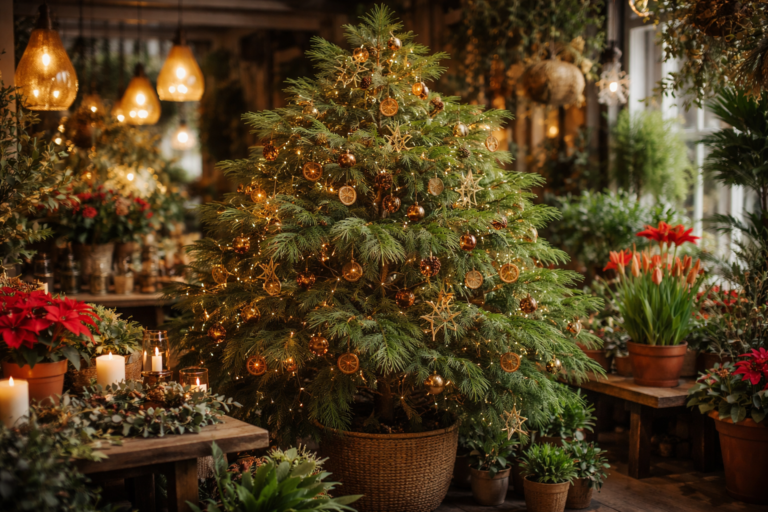
The holidays are evolving. More customers are asking for living alternatives to cut trees, and florists are responding with a fresh favorite: the Norfolk Island pine. Compact, conical and easy to style, this plant feels like a miniature Christmas tree — but it keeps giving long after the season ends.
Here’s why florists are embracing this trend, how to style and gift the plant, and simple care tips that make it a practical pick for anyone wanting to rethink the traditional holiday centrepiece.
Why florists are swapping cut trees
Short supply chains, sustainability concerns and smaller living spaces are changing buying habits. Florists want products that:
- Are giftable and ready-to-display
- Have year-round appeal (not just seasonal)
- Offer a lower-carbon alternative to cut trees
- Fit urban homes and apartment balconies
The Norfolk Island pine checks those boxes. Its evergreen silhouette reads festive without being a one-month wonder, and it arrives in pots that are easy to transport, crate, and display in shop windows.
Meet the Norfolk Island pine
Norfolk Island pine (Araucaria heterophylla) is a tropical conifer with soft, feathery branches layered in tiers. It can reach several meters in ideal conditions, but potted varieties sold by florists typically stay compact — perfect for tabletops, entry halls, or under-stair corners.
Key features:
- Conical, tree-like form that evokes the Christmas tree
- Soft, light-green foliage suitable for delicate decorations
- Tolerant of indoor conditions with bright, indirect light
- Available in sizes from mini (20–30 cm) to medium (up to 1.2 m) in stores
Styling ideas florists can offer
Florists can turn Norfolk pines into seasonal stars with a few simple touches. Offer these styling options as pre-made packages or DIY kits:
- Mini ornaments and natural garlands: small wooden ornaments, pinecone strings, or dried citrus slices strung on twine.
- Subtle lighting: battery-operated micro-LEDs wrapped gently around the tiers create a warm glow without adding heat.
- Themed pots: terracotta for rustic, matte black for modern, and hand-painted designs for bespoke gifting.
- Seasonal pairings: tuck in stems of eucalyptus, winterberry, or sprigs of rosemary for extra fragrance and contrast.
- Gift add-ons: matching care card, biodegradable pot wrap, ribbon and a small bag of slow-release fertilizer.
These options let florists upsell while helping customers visualize the plant as both seasonal décor and a long-term houseplant.
Care and gifting tips (what to tell customers)
Happy recipients are repeat customers. Include a short care card with each Norfolk pine:
- Light: bright, indirect light; avoid direct hot sun through south-facing windows.
- Water: keep soil slightly moist but not waterlogged — water when the top 2–3 cm feels dry.
- Humidity: enjoys higher humidity; mist lightly or place on a pebble tray.
- Temperature: prefers 15–23°C (60–75°F); protect from cold drafts and heaters.
- Long-term: rotate occasionally for even growth; repot to the next size every 2–3 years if needed.
A simple “care checklist” printed on attractive cardstock increases confidence and reduces returns.
Sustainability and sourcing
Selling potted plants is not automatically green—sourcing and presentation matter. Florists should:
- Buy from reputable nurseries that grow plants sustainably.
- Use recyclable or compostable wrapping materials.
- Offer a take-back or plant trade-in program to encourage reuse.
- Educate customers about rehoming the plant outdoors (where climate-appropriate) or gifting it after the holidays.
These practices build brand trust and align the trend with a genuine sustainability story.
Final thoughts
Goodbye, Christmas tree : meet the plant hitting florists that’s set to trend in — it’s more than a seasonal novelty. The Norfolk Island pine offers a stylish, sustainable alternative that florists can merchandise creatively, educate customers about, and use to extend holiday sales into the new year. Small enough for urban homes, large enough to make an impression, and easy to style — this plant could be the centerpiece of the next holiday shift in how we celebrate indoors.