
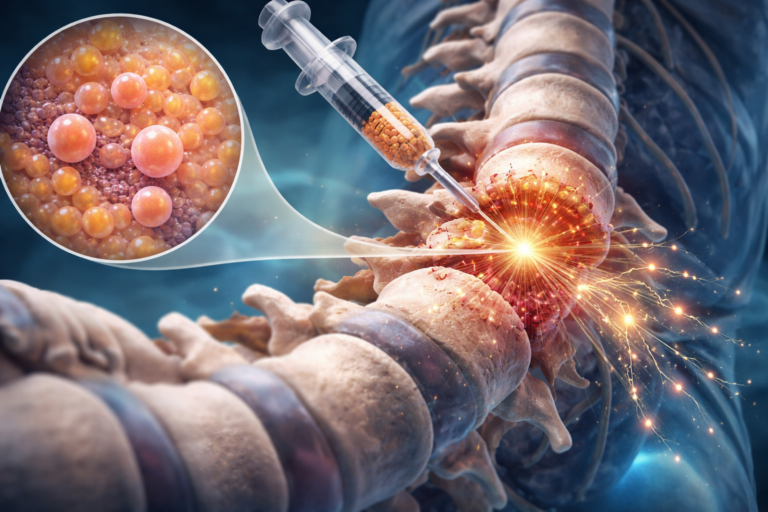
A remarkable scientific breakthrough has emerged in the field of regenerative medicine: fat-derived stem cells are now showing the ability to heal broken spines and restore bone strength. This discovery could redefine how doctors treat spinal fractures, osteoporosis, and even severe spinal cord injuries.
Researchers have demonstrated that adipose-derived stem cells (ADSCs)—extracted from human fat tissue—can regenerate damaged spinal structures in experimental models. This advancement offers a promising, minimally invasive solution for millions suffering from spinal disorders.
What Are Fat Stem Cells?
Fat stem cells, also known as adipose-derived mesenchymal stem cells (AD-MSCs), are multipotent cells found in body fat. These cells can transform into various types of tissue, including:
- Bone cells
- Cartilage
- Muscle
- Nerve cells
They are particularly valuable because they are:
- Easy to extract through minimally invasive procedures
- Abundant in the human body
- Less likely to trigger immune rejection
These properties make them ideal candidates for regenerative therapies.
Breakthrough Study: Healing Spinal Fractures
A recent study conducted by researchers at Osaka Metropolitan University revealed that fat stem cells can repair spinal fractures and rebuild bone strength.
Key Findings
- Stem cells were extracted from adipose (fat) tissue
- Cells were engineered into bone-forming clusters
- These clusters were implanted into rats with spinal fractures
- Results showed significant healing and improved bone density
The spinal injuries in the study mimicked osteoporotic vertebral fractures, a common condition in aging populations.
How The Treatment Works
The process involves several advanced steps:
1. Extraction
Fat tissue is collected from the patient using a simple procedure.
2. Cell Processing
Stem cells are isolated and cultured in a lab environment.
3. Transformation
Cells are converted into bone-forming units.
4. Implantation
The engineered cells are placed at the fracture site.
5. Regeneration
Cells stimulate new bone growth and repair damaged tissue.
This approach not only heals fractures but also strengthens the spine over time.
Why This Discovery Matters
1. Minimally Invasive Treatment
Unlike traditional spinal surgeries, this method reduces:
- Surgical risks
- Recovery time
- Hospital stays
2. Effective For Aging Populations
Fat stem cells can be harvested even from elderly patients, making them ideal for treating osteoporosis-related fractures.
3. Regenerative Potential
These cells don’t just repair damage—they restore function by regenerating tissue.
4. Wide Medical Applications
Beyond fractures, ADSCs may help treat:
- Spinal cord injuries
- Paralysis
- Degenerative bone diseases
Scientific Evidence And Clinical Progress
The breakthrough is supported by a growing body of research:
- Stem cell therapy has shown potential to repair neural tissue and promote regeneration in spinal cord injuries
- ADSCs help recovery by:
- Reducing inflammation
- Supporting nerve growth
- Enhancing tissue repair
- Early human trials indicate safety and functional improvements
- 10 patients treated
- No serious adverse effects
- 7 patients showed neurological improvement
Although still experimental, these results signal a major shift in spinal injury treatment.
Key Data And Insights
| Aspect | Details |
|---|---|
| Source of Stem Cells | Adipose (fat) tissue |
| Study Model | Rats with spinal fractures |
| Key Outcome | Improved bone strength and healing |
| Treatment Type | Regenerative cell therapy |
| Human Trials | Phase 1 trials show safety and improvement |
| Advantages | Minimally invasive, accessible, regenerative |
| Target Conditions | Osteoporosis, spinal fractures, paralysis |
| Future Potential | Personalized regenerative medicine |
Challenges And Limitations
Despite its promise, several challenges remain:
- Not Yet Widely Approved: Treatments are still in experimental stages
- Variable Patient Response: Not all patients respond equally
- Long-Term Effects Unknown: More research is needed
- Cost And Accessibility: Advanced therapies may initially be expensive
Additionally, improper dosing or immune reactions could pose risks in some cases.
Future Of Spinal Regeneration
The future of fat stem cell therapy looks extremely promising. Scientists are exploring:
- Combining stem cells with biomaterials for stronger healing
- Using gene editing to enhance regenerative ability
- Developing personalized treatments using a patient’s own cells
- Expanding therapy to treat complete spinal cord injuries and paralysis
Experts believe this approach could soon become a standard treatment for spinal disorders, revolutionizing orthopedics and neurology.
Conclusion
The discovery that fat stem cells can heal broken spines marks a significant milestone in medical science. By leveraging the body’s own regenerative capabilities, researchers are opening doors to safer, more effective treatments for spinal injuries.
While further studies and clinical trials are necessary, this breakthrough offers real hope for millions worldwide suffering from spinal damage, osteoporosis, and paralysis. The future of spine healing may lie within our own body fat—a truly transformative concept in modern medicine.