
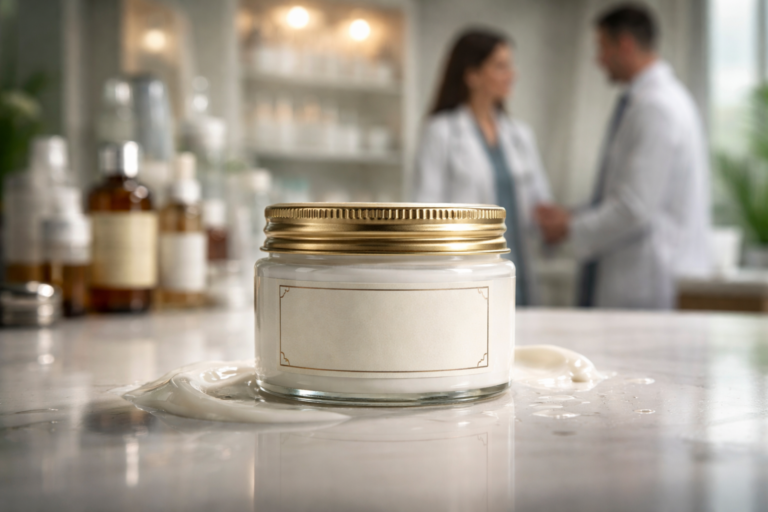
It sounds like a headline you’d expect to find in a beauty tabloid, but in this case the story is simple and persuasive. An old-style, no-name moisturizer has been crowned the number one choice by dermatology experts outperforming major brands — and the reasons behind that decision reveal a lot about what really matters in skin care.
Why dermatologists chose the unbranded favorite
Dermatologists are trained to prioritize skin health over flashy branding. When a product consistently delivers on barrier repair, hydration, and low irritation potential, it earns professional respect. The panel that selected this no-name moisturizer cited several recurring themes:
- Simplicity: A short, sensible ingredient list reduces the risk of irritation and allergic reaction.
- Proven basics: Effective moisturizers rely on time-tested humectants, emollients, and occlusives rather than trendy actives.
- Tolerance: The formula is fragrance-free and gentle, making it suitable for sensitive, dry, and compromised skin types.
- Performance: Objective measures—like sustained skin hydration and improved transepidermal water loss—favored this moisturizer in clinical or in-clinic evaluations.
- Cost-to-benefit ratio: It delivers results at a fraction of the price of many prestige products.
These factors combined to make the no-name product a reliable workhorse that dermatologists felt comfortable recommending to a wide range of patients.
What makes an “old-style” moisturizer effective?
When dermatology experts praise an old-school formula, they’re often talking about classic components that support the skin barrier. Key elements to look for include:
- Humectants: Ingredients like glycerin and hyaluronic acid draw moisture into the skin.
- Emollients: Fatty acids and esters smooth and soften rough texture.
- Occlusives: Petrolatum, mineral oil, or dimethicone lock moisture in and reduce water loss.
- Barrier lipids: Ceramides and cholesterol help rebuild a compromised barrier.
- Minimal irritants: No fragrance, essential oils, or unnecessary preservatives that can provoke sensitivity.
The winning no-name moisturizer tends to combine these building blocks in balanced ratios, delivering durable hydration without drama.
How to use a basic moisturizer for best results
A simple product can perform brilliantly if used correctly. Follow these practical steps:
- Cleanse gently. Avoid harsh soaps that strip oils.
- Apply while skin is damp. This helps humectants bind moisture.
- Use an adequate amount. Don’t skimp—cover the necessary area.
- Layer thoughtfully. Apply actives (retinoids, acids) only if tolerated, then follow with moisturizer to reduce irritation.
- Reapply as needed. Especially in dry climates or after handwashing.
Consistency matters more than complexity. A dependable moisturizer applied regularly often outperforms occasional use of more expensive, trendy products.
Why big brands sometimes lose to no-name formulas
Large cosmetic companies invest heavily in marketing, packaging, and novel actives. That doesn’t always translate into superior skin benefits. Reasons the no-name moisturizer outscored major brands include:
- Formulation over fashion: Many high-priced creams emphasize branding and scent rather than barrier science.
- Fewer unnecessary components: Simpler formulas mean fewer things that can trigger sensitivity.
- Focus on fundamentals: The core goal—repairing and protecting the skin barrier—was prioritized.
- Neutral appeal: Without a celebrity tie-in or bold claims, the product was judged on measurable performance rather than hype.
Dermatologists often see the downstream effects of complex formulations—rashes, contact dermatitis, clogged pores—so they tend to revert to what works reliably.
Should you switch to a no-name moisturizer?
If you struggle with persistent dryness, sensitivity, or frequent flare-ups, trying a straightforward, dermatologist-recommended moisturizer is a sensible move. Look for products that emphasize barrier support and are free from fragrance and other common irritants. That said, everyone’s skin is unique: what works for many may not be perfect for you. Patch-test new products and consult a dermatologist if you have ongoing concerns.
Final thought
The rise of an old-style, no-name moisturizer to the top spot in dermatologists’ recommendations is a reminder that effective skin care doesn’t need to be complicated or expensive. Prioritizing basic, science-backed ingredients and consistent use often delivers the healthiest results — and sometimes, the simplest option really is the best.