
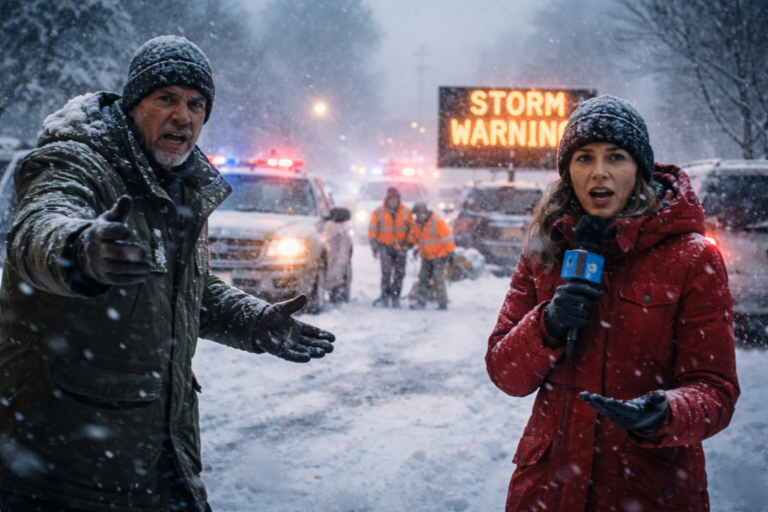
A winter storm warning predicting as much as 72 inches of snow has polarized communities, igniting two powerful reactions: urgent preparation and outright skepticism. For some, the forecast is a clarion call to shelter in place and stockpile essentials. For others, it looks like alarmism — a municipal or media-driven panic that could do more harm than good.
This widening rift isn’t just about snow totals. It’s about trust, risk perception, and how communities interpret scientific uncertainty during high-stakes weather events.
Why forecasts diverge — and why that matters
Weather forecasting is inherently probabilistic. Models differ in how they handle temperature profiles, moisture transport, and storm tracks. Small changes hundreds of miles away can translate into dramatically different snow totals on the ground.
Meteorologists present scenarios with confidence intervals, but headlines and social media often reduce that nuance to a single number: 72 inches. That simplification creates a gap between technical caution and public interpretation.
When an extreme number is emphasized without context, people who trust officials may prepare for the worst. Those who distrust authorities may see the figure as sensationalized or politically motivated, deepening the divide.
Fears of chaos: why some people panic
Extreme forecasts tap into legitimate concerns:
- Infrastructure strain: Deep snow can paralyze roads, halt supply chains, and knock out power. Past storms that resulted in prolonged outages or stranded motorists make worst-case scenarios feel plausible.
- Personal safety: Families with small children, medical needs, or limited mobility worry about access to essentials and emergency services.
- Economic impacts: Businesses dependent on foot traffic or travel face immediate losses, and small municipalities worry about cleanup costs.
For many, the prospect of weeks of disruption elevates precaution to urgency — and that urgency can look like panic to observers who doubt the forecast.
Accusations of scaremongering: why some people push back
Skepticism often arises from a mix of recent false alarms, political polarization, and media practices:
- Past overestimates or canceled severe warnings leave a residue of distrust.
- Partisan narratives sometimes frame institutional warnings as attempts to control behavior or justify expenditures.
- Media outlets seeking clicks may focus on the most dramatic numbers, amplifying perceptions of alarmism.
Accusations of deliberate scaremongering are serious. Whether intentional or not, poor communication can erode credibility and make future warnings less effective.
How to evaluate a dire forecast
Instead of accepting or rejecting the headline, ask focused questions:
- What range of outcomes are meteorologists communicating? Is 72 inches a maximum, or a likely value?
- Which models are predicting the extreme values, and what do other models show?
- How are local officials interpreting the forecast for roads, hospitals, and utilities?
- What are the official preparedness recommendations from emergency management agencies?
Checking multiple reputable sources — local NWS office updates, state emergency management, and well-regarded meteorological analyses — helps separate plausible worst-case outcomes from unlikely extremes.
What officials and media should do differently
Improved communication could narrow the divide:
- Emphasize probability and ranges, not single dramatic numbers.
- Explain impacts clearly: not just inches of snow, but likely road conditions, power-outage risks, and timelines for response.
- Coordinate messaging among meteorologists, emergency managers, and elected officials so guidance is consistent.
- Provide transparent post-event reviews to rebuild trust when forecasts miss the mark.
Clear, humble communication can maintain urgency without tipping into perceived scaremongering.
Practical steps for residents
Preparedness is straightforward and sensible, regardless of whether the forecast hits the extremes:
- Create a 72-hour supply kit: food, water, medications, batteries, and a charged power bank.
- Keep vehicles fueled and stocked with blankets and emergency supplies.
- Plan for power outages: identify warm shelters, check on neighbors, and protect pipes from freezing.
- Follow official channels for real-time updates and evacuation or travel advisories.
Small actions reduce stress and limit the real harms that extreme weather can cause.
Conclusion
The dispute over a forecast of up to 72 inches of snow illustrates how scientific uncertainty, media framing, and political context collide in modern crises. Whether you lean toward caution or skepticism, the most constructive response is to seek clear information, prepare proportionally, and demand transparent communication from those in charge. That approach protects communities now and helps restore the trust needed to manage the next storm.