
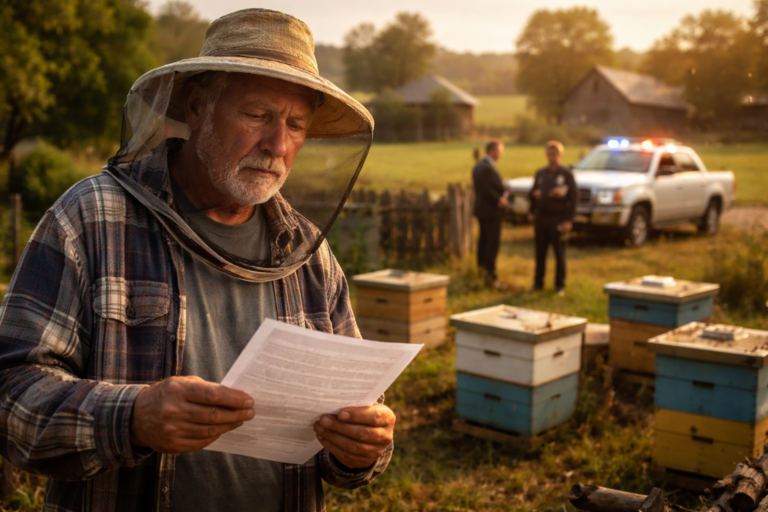
When a retiree agreed to let a neighbor place a few beehives on the edge of their property, the act felt small and neighborly. The consequences were not. A recent legal notice reclassified the property in a way that led to a large tax bill — and ignited a debate about whether simple acts of kindness can carry heavy financial penalties.
This story has struck a nerve because it sits at the intersection of community values, local ordinances, and tax law. For many, the idea that hosting a beekeeper’s hives could trigger a “farm” designation — and therefore unexpected state dues or retroactive taxes — feels both absurd and unjust. For local authorities, the matter raises questions about consistent enforcement and zoning rules.
How a few hives became a tax issue
Beekeeping is often considered a small-scale agricultural activity. In some jurisdictions, any agricultural use of private property can alter how that property is classified by the assessor’s office. Classification changes can affect tax rates, eligibility for agricultural exemptions, or obligations such as registration and back taxes.
In the case at the center of this debate, a legal notice argued that the retiree’s property met the criteria for agricultural classification because of the hives. That triggered a demand for payment — in some cases thousands of dollars in retroactive farm taxes or fees. The retiree says they simply helped a neighbor; officials say they are following the statute.
Why people are outraged
Several themes explain the public reaction:
- Fairness: People see a moral gap between intent and consequence. Helping a neighbor with a hobby seems unlike running a commercial farm, yet the law can treat both the same.
- Scale and proportionality: A handful of hives is not the same as acres of crops or livestock, yet the penalties being applied do not always account for scale.
- Clarity: Many homeowners are unaware that a small act like hosting beehives could alter their tax or zoning status. The law can feel opaque and punitive.
- Precedent: If this enforcement stands, others who help neighbors, keep chickens, or engage in community gardening may fear similar repercussions.
Perspectives from both sides
Local governments argue that laws exist to ensure consistent taxation and public safety. Regulations around beekeeping are often intended to protect neighbors, public health, and pollinator populations. When an activity crosses a legal threshold, officials say they must apply the rules uniformly.
Neighbors and advocates counter that rules were not designed to penalize casual goodwill. They call for common-sense distinctions between commercial agriculture and neighborhood-scale activities. They also argue that enforcement should include outreach and options for compliance, rather than punitive back-billing.
What homeowners and small-scale beekeepers can do
If you find yourself in a similar position, consider these steps:
- Review the notice carefully. Note deadlines and the grounds cited for the classification change.
- Contact the assessor’s or zoning office. Ask for clarification on the specific criteria used and whether exemptions or appeals exist.
- Document intent. Written agreements with the beekeeper showing that the activity is non-commercial or temporary can support your case.
- Seek legal advice. A land-use or tax attorney can explain local rules and represent you in appeals.
- Mobilize community support. Public pressure and stories in local media sometimes prompt officials to reconsider enforcement or adjust policy.
Larger implications and possible reforms
This incident highlights a policy tension: laws written long ago to categorize land use don’t always account for modern, neighborly practices like hobby beekeeping or community gardens. Possible reforms include:
- Clearer thresholds distinguishing hobby from commercial activities.
- Graduated fees or fines proportional to scale and intent.
- Mandatory notice and remediation options before retroactive taxation is applied.
- Education campaigns so residents know how small actions might affect property classification.
Final thought
Kindness to a neighbor should rarely feel like a tax liability. As more people engage in small-scale urban and suburban agriculture, lawmakers and local governments will need to update rules so they protect public interests without punishing goodwill. Until then, homeowners should know the legal landscape around even modest activities like hosting beehives — and push for sensible policies that balance community care with clear, fair enforcement.