
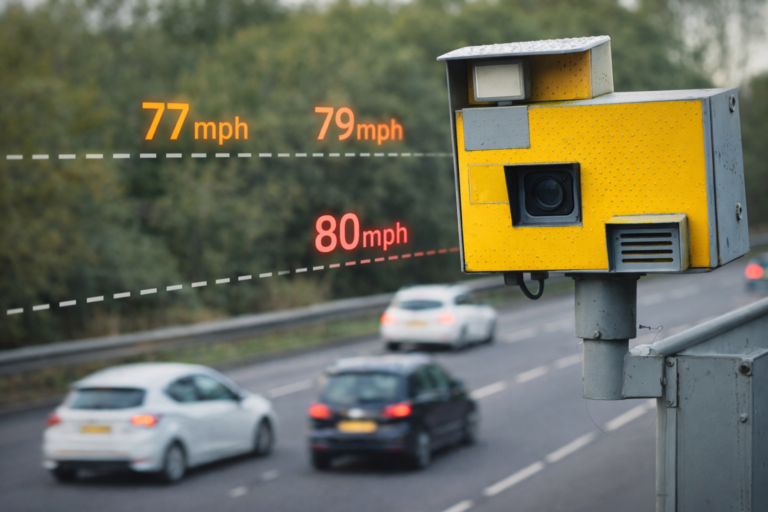
The idea of saying “goodbye fines” has caught attention across drivers in 2026. Reports suggest that new speed camera tolerances are being clarified or adjusted, giving the impression that motorists now have a buffer before penalties apply. However, the reality is more complex.
While enforcement practices have evolved, the law has not changed—and misunderstanding these tolerances could still lead to costly fines and penalty points. This article explains the latest facts, figures, and real-world enforcement thresholds so you fully understand what these “new tolerances” actually mean.
What Are Speed Camera Tolerances?
Speed camera tolerance refers to a small margin above the legal speed limit where enforcement may not immediately occur. This buffer exists due to:
- Minor inaccuracies in vehicle speedometers
- Technical margins in camera measurement systems
- The need for consistent enforcement practices
However, it is crucial to understand that:
- There is no legal allowance to exceed the speed limit
- Even 1 mph over the limit is technically an offence
Latest Official Guidance for 2026
Across many regions—especially in the UK and similar enforcement systems—the most widely followed guideline remains:
10% + 2 mph Rule
- Enforcement typically begins at 10% above the speed limit + 2 mph
- Example:
- 30 mph zone → enforcement around 35 mph
- 40 mph zone → enforcement around 46 mph
This standard is based on National Police Chiefs’ Council (NPCC) guidance and is used by many police forces .
Recent updates show that:
- Older tolerance of 10% + 3 mph has been reduced to +2 mph in many areas
- Enforcement has become slightly stricter than before
Table: Typical Speed Camera Tolerance Thresholds
| Speed Limit | Typical Tolerance | Enforcement Starts Around |
|---|---|---|
| 20 mph | +10% + 2 mph | 24 mph |
| 30 mph | +10% + 2 mph | 35 mph |
| 40 mph | +10% + 2 mph | 46 mph |
| 50 mph | +10% + 2 mph | 57 mph |
| 60 mph | +10% + 2 mph | 68 mph |
| 70 mph | +10% + 2 mph | 79 mph |
These figures are guidelines only and can vary depending on location and enforcement policy .
Are There New Global Tolerance Trends?
Globally, enforcement systems follow similar patterns:
- Low-speed zones (30–60 km/h):
- Fixed tolerance of +3 to +5 km/h
- High-speed roads (80–130 km/h):
- Percentage tolerance of 3% to 10%
This reflects a broader shift toward transparent enforcement thresholds rather than strict zero-tolerance policies .
Important Facts Drivers Must Know
1. Tolerance Is Not a Right
Many drivers assume the buffer is guaranteed—but:
- Police can enforce below the tolerance threshold
- Some areas state no official tolerance exists
2. Average Speed Cameras Work Differently
- They measure speed over distance—not at a single point
- No universally published tolerance applies
- Even small excess speeds can trigger penalties
3. Technology Is Becoming More Accurate
Modern systems now include:
- Laser-based detection
- AI-assisted monitoring
- Automatic number plate recognition (ANPR)
Devices are calibrated with an error margin of only:
- Around ±2 mph or ±3% at higher speeds
4. Enforcement Is Getting Stricter
Data shows:
- Speeding notices increased significantly after stricter thresholds
- One region recorded a 93% rise in prosecutions between 2021–2023
5. Penalties Remain Severe
Typical penalties include:
- £100 fine
- 3 penalty points
- Higher insurance premiums
- Court prosecution for serious offences
Why Tolerances Exist
Speed camera tolerances are not meant to allow speeding. They exist to:
- Prevent unfair penalties due to technical inaccuracies
- Account for speedometer over-reading (often 1–3 mph higher than actual speed)
- Ensure consistent enforcement across regions
Future Outlook: What Will Change Next?
Looking ahead, several trends will shape speed enforcement:
1. Smarter Cameras
- AI-powered systems detecting multiple violations simultaneously
- Integration with traffic management networks
2. Lower Tolerance Margins
- As accuracy improves, tolerances may shrink
- More drivers fined for smaller excess speeds
3. Dynamic Speed Limits
- Real-time speed limits based on traffic and weather
- Instant enforcement adjustments
4. Zero-Tolerance Zones
- Schools and high-risk areas may enforce strict limits without buffers
Key Takeaway
Despite headlines suggesting “goodbye fines,” the reality is:
- Speed limits remain absolute
- Tolerances are guidelines, not guarantees
- Enforcement is becoming more precise and stricter
Drivers should always treat the posted speed limit as the maximum safe and legal speed.
Conclusion
The phrase “goodbye fines” is misleading. While speed camera tolerances provide a small technical buffer, they do not offer legal protection. With more advanced technology, stricter enforcement, and evolving policies, drivers face a higher risk of penalties than ever before.
The safest strategy is simple: always stay within the speed limit. Relying on tolerance margins is risky—and increasingly outdated in modern road enforcement systems.