
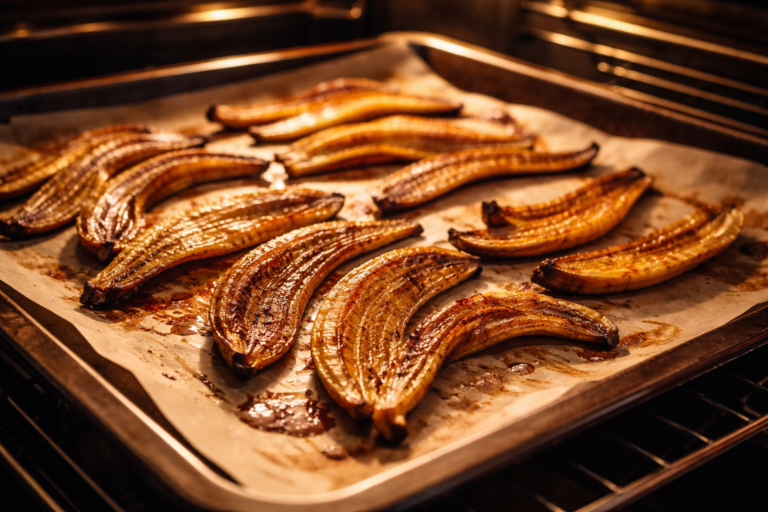
If you’ve been scrolling through social feeds lately, you’ve probably seen the latest kitchen hack go viral: bake your banana peels for 30 minutes and suddenly they’re useful — not useless. The idea is catching on because it’s simple, low-cost, and gives banana waste a second life. Here’s what people are doing, why it works, how to try it at home, and a few safe ways to use the results.
Why bake banana peels?
Baking banana peels changes their texture, smell, and microbial load. Thirty minutes in a low oven:
- Softens and darkens the peel, making it easier to mash or blend.
- Drives off excess moisture and reduces the fresh-fruit aroma.
- Helps reduce surface microbes (though it’s not a sterilization method).
That combination makes the peels easier to turn into something practical: a quick plant tonic, a mild polish for leather, or a compost-friendly additive. The trick isn’t magic, but it’s an efficient shortcut for using peels you might otherwise toss.
What you can do with baked banana peels
Here are practical, common uses people report after baking banana peels for 30 minutes:
- DIY plant tonic: Soak baked peels in water for 24–48 hours to make a potassium- and phosphorus-rich “banana water” you can use to water houseplants (dilute before use).
- Quick compost booster: Chopped baked peels break down faster in compost piles and attract fewer pests than fresh, soggy peels.
- Natural leather polish: Rub the inner side of a baked peel on leather shoes or bags, then buff with a soft cloth for a subtle shine.
- Smoothie or baking ingredient (with caution): Some use baked peels as an ingredient once fully cooked and blended, but be cautious — only use clean, pesticide-free peels and take extra care with preparation.
- Odor reduction: Placing cooled, baked peels in a small open container in a trash drawer or compost area can help neutralize smells better than raw peels.
How to bake banana peels — step-by-step
Follow these simple steps to try the hack safely:
- Preheat your oven to 250°F (120°C). A low temperature helps dry and soften without burning.
- Rinse peels to remove dirt or residue. Pat dry.
- Lay peels on a baking sheet lined with parchment or foil, inner side up.
- Bake for 30 minutes. Check halfway through — peels should darken and become pliable.
- Remove and cool. Use immediately for a quick infusion, or chop and dry further if you plan to grind them into powder.
Note: If peels brown too quickly or start to burn, lower the oven temperature. The goal is dehydration and softening, not charring.
Quick recipes and uses
- Banana peel plant tonic: Place 2–3 cooled baked peels in 1 liter (4 cups) of water. Let steep 24–48 hours, strain, then dilute to half-strength and water plants with it once every 2–4 weeks.
- Leather shine: Rub the inner baked peel over leather, then buff with a lint-free cloth.
- Compost prep: Chop baked peels into small pieces and mix into your compost bin to speed breakdown and reduce fruit fly attraction.
Safety and tips
- Only use peels from bananas you would eat. Avoid peels with mold or signs of spoilage.
- If you plan to consume peels, use organic bananas when possible and make sure peels are thoroughly cooked and processed. Baking for 30 minutes may not be sufficient for all edible preparations.
- Don’t rely on baked peels as a complete fertilizer. They’re a supplement rich in potassium and some phosphorus, but your plants still need balanced nutrients.
- Avoid putting very wet peels directly in an open compost or garbage container — they attract pests. Baking first reduces that risk.
Final thoughts
The “bake them for 30 minutes” banana peel trick caught on because it’s easy and versatile. It won’t replace a compost system or supermarket fertilizer, but for home gardeners, thrifty cooks, and DIYers it’s a useful way to cut waste and get extra mileage from fruit scraps. Try it once and see which of these small household problems the trick solves for you.