
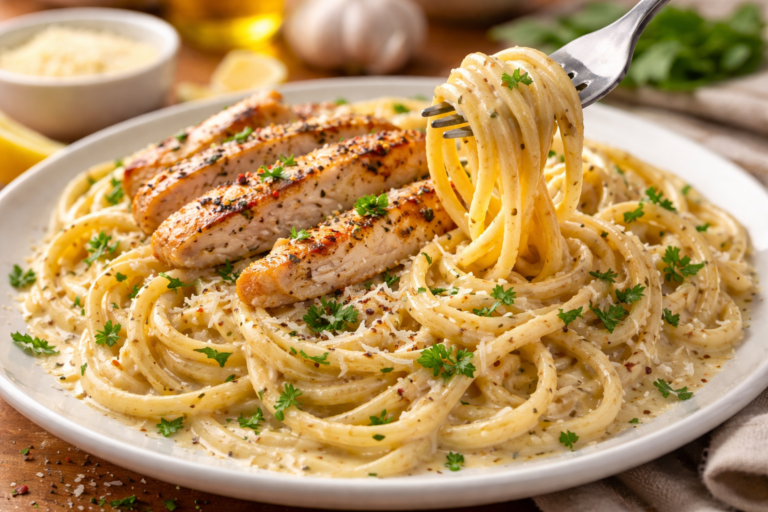
Pasta recipe perfection isn’t just about ingredients—it’s about mastering the right technique. Cooking pasta seems simple—boil water, add noodles, mix with sauce. But many home cooks unknowingly make small mistakes that completely change the outcome. After learning the hard way, one crucial realization stands out: perfect pasta depends more on technique than ingredients.
This article reveals the science-backed method that transforms an ordinary pasta recipe into restaurant-quality perfection. From salt ratios to water quantity, every detail matters—and once you learn it, you’ll never cook pasta the same way again.
The Hard Lesson That Changed Everything
Most people make one major mistake: under-seasoning the pasta water.
Pasta is made from flour and water, meaning it starts off almost flavorless. If you don’t season it during cooking, no sauce can fully fix it later. Research and culinary experts agree that salt must be added during boiling to infuse flavor directly into the pasta .
This realization often comes after years of bland dishes.
Why This Pasta Recipe Works
1. Salt Penetrates The Pasta From Inside
Adding salt to boiling water ensures every strand absorbs flavor. Studies show that over 90% of sodium can be absorbed into pasta during cooking, depending on salt concentration .
This means:
- Flavor is built into the pasta itself
- Sauce enhances instead of compensates
2. The Perfect Salt Ratio Matters
The ideal salt level is not guesswork—it’s measurable.
- 1–2 tablespoons of salt per gallon of water
- Around 0.5%–2% salt concentration, with ~1% being optimal
- About 10 grams per liter of water
This creates water that tastes slightly like the sea—rich but not overpowering.
3. Plenty Of Water Prevents Sticky Pasta
Using enough water ensures:
- Even cooking
- Reduced sticking
- Stable temperature
The recommended ratio is:
- 4–5 quarts of water per pound of pasta
4. No Oil — It Ruins The Texture
A common myth is adding oil prevents sticking. In reality:
- Oil coats pasta
- Sauce won’t cling properly
Experts strongly advise against adding oil to boiling water .
5. Cooking To Al Dente Is Essential
Perfect pasta is not soft—it’s al dente (firm to the bite).
- Cook 2–3 minutes less than package instructions
- Salt strengthens pasta structure, preventing mushiness
This creates the perfect texture for absorbing sauce.
Step-By-Step Perfect Pasta Method
Step 1: Use A Large Pot
Fill with 4–5 quarts of water per pound of pasta.
Step 2: Bring To A Rolling Boil
Ensure water is fully boiling before adding salt and pasta.
Step 3: Salt Generously
Add 1–2 tablespoons of salt per gallon.
Step 4: Add Pasta And Stir
Stir immediately to prevent sticking.
Step 5: Cook To Al Dente
Check texture early—slightly firm is ideal.
Step 6: Save Pasta Water
Reserve 1 cup of starchy water for sauce binding.
Step 7: Combine With Sauce
Mix pasta and sauce together while hot for best flavor.
Key Pasta Cooking Data Table
| Factor | Ideal Measurement | Why It Matters |
|---|---|---|
| Water Quantity | 4–5 quarts per pound | Prevents sticking and ensures even cooking |
| Salt Amount | 1–2 tbsp per gallon | Enhances flavor from inside |
| Salt Concentration | ~1% | Balanced taste without overpowering |
| Cooking Time | 2–3 minutes less | Achieves al dente texture |
| Oil Usage | None | Helps sauce stick properly |
| Pasta Water Use | 1 cup reserved | Thickens and binds sauce |
The Science Behind Better Pasta
Cooking pasta is more than boiling—it’s chemistry.
- Salt strengthens protein structure, improving texture
- Starch released into water helps emulsify sauces
- Pasta absorbs 1.6–1.8 times its weight in water, carrying flavor inside
Even small changes in salt or timing can dramatically affect taste and texture.
Common Mistakes To Avoid
1. Not Salting Water Enough
Leads to bland pasta.
2. Adding Oil
Prevents sauce from sticking.
3. Overcooking
Destroys texture.
4. Rinsing Pasta
Removes starch needed for sauce.
5. Using Too Little Water
Causes uneven cooking and clumping.
Why This Method Changes Everything
Once you follow this technique:
- Pasta tastes flavorful even before sauce
- Sauces cling better
- Texture improves dramatically
It’s a small change—but it creates a restaurant-quality experience at home.
Cooking pasta seems simple—boil water, add noodles, mix with sauce. But many home cooks unknowingly make small mistakes that completely change the outcome. After learning the hard way, one crucial realization stands out: perfect pasta depends more on technique than ingredients.
This article reveals the science-backed method that transforms ordinary pasta into restaurant-quality perfection. From salt ratios to water quantity, every detail matters—and once you learn it, you’ll never cook pasta the same way again.
The Hard Lesson That Changed Everything
Most people make one major mistake: under-seasoning the pasta water.
Pasta is made from flour and water, meaning it starts off almost flavorless. If you don’t season it during cooking, no sauce can fully fix it later. Research and culinary experts agree that salt must be added during boiling to infuse flavor directly into the pasta .
This realization often comes after years of bland dishes.
Why This Pasta Technique Works
1. Salt Penetrates The Pasta From Inside
Adding salt to boiling water ensures every strand absorbs flavor. Studies show that over 90% of sodium can be absorbed into pasta during cooking, depending on salt concentration .
This means:
- Flavor is built into the pasta itself
- Sauce enhances instead of compensates
2. The Perfect Salt Ratio Matters
The ideal salt level is not guesswork—it’s measurable.
- 1–2 tablespoons of salt per gallon of water
- Around 0.5%–2% salt concentration, with ~1% being optimal
- About 10 grams per liter of water
This creates water that tastes slightly like the sea—rich but not overpowering.
3. Plenty Of Water Prevents Sticky Pasta
Using enough water ensures:
- Even cooking
- Reduced sticking
- Stable temperature
The recommended ratio is:
- 4–5 quarts of water per pound of pasta
4. No Oil — It Ruins The Texture
A common myth is adding oil prevents sticking. In reality:
- Oil coats pasta
- Sauce won’t cling properly
Experts strongly advise against adding oil to boiling water .
5. Cooking To Al Dente Is Essential
Perfect pasta is not soft—it’s al dente (firm to the bite).
- Cook 2–3 minutes less than package instructions
- Salt strengthens pasta structure, preventing mushiness
This creates the perfect texture for absorbing sauce.
Step-By-Step Perfect Pasta Method
Step 1: Use A Large Pot
Fill with 4–5 quarts of water per pound of pasta.
Step 2: Bring To A Rolling Boil
Ensure water is fully boiling before adding salt and pasta.
Step 3: Salt Generously
Add 1–2 tablespoons of salt per gallon.
Step 4: Add Pasta And Stir
Stir immediately to prevent sticking.
Step 5: Cook To Al Dente
Check texture early—slightly firm is ideal.
Step 6: Save Pasta Water
Reserve 1 cup of starchy water for sauce binding.
Step 7: Combine With Sauce
Mix pasta and sauce together while hot for best flavor.
Key Pasta Cooking Data Table
| Factor | Ideal Measurement | Why It Matters |
|---|---|---|
| Water Quantity | 4–5 quarts per pound | Prevents sticking and ensures even cooking |
| Salt Amount | 1–2 tbsp per gallon | Enhances flavor from inside |
| Salt Concentration | ~1% | Balanced taste without overpowering |
| Cooking Time | 2–3 minutes less | Achieves al dente texture |
| Oil Usage | None | Helps sauce stick properly |
| Pasta Water Use | 1 cup reserved | Thickens and binds sauce |
The Science Behind Better Pasta
Cooking pasta is more than boiling—it’s chemistry.
- Salt strengthens protein structure, improving texture
- Starch released into water helps emulsify sauces
- Pasta absorbs 1.6–1.8 times its weight in water, carrying flavor inside
Even small changes in salt or timing can dramatically affect taste and texture.
Common Mistakes To Avoid
1. Not Salting Water Enough
Leads to bland pasta.
2. Adding Oil
Prevents sauce from sticking.
3. Overcooking
Destroys texture.
4. Rinsing Pasta
Removes starch needed for sauce.
5. Using Too Little Water
Causes uneven cooking and clumping.
Why This Method Changes Everything
Once you follow this technique:
- Pasta tastes flavorful even before sauce
- Sauces cling better
- Texture improves dramatically
It’s a small change—but it creates a restaurant-quality experience at home.
Conclusion
Learning this pasta technique the hard way reveals a simple truth: great pasta isn’t about expensive ingredients—it’s about precision. The correct balance of water, salt, and timing transforms a basic dish into something exceptional.
By salting generously, cooking to al dente, and using starchy water to finish the sauce, you unlock the full potential of pasta. These methods are backed by science and used by professional chefs worldwide. Once you apply this approach, you’ll notice the difference immediately—and like many others, you’ll never go back to your old way of cooking pasta.