
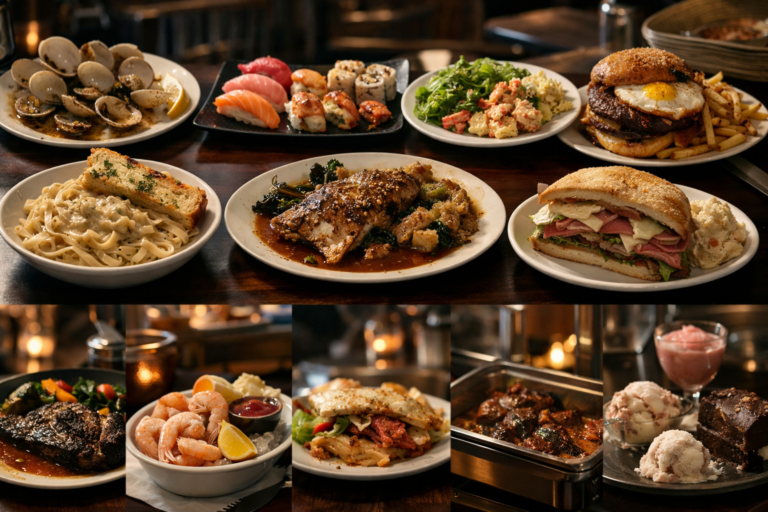
Eating out should be a highlight, not a gamble. Professional chefs see the kitchen side of things and often warn diners away from certain menu items that signal poor quality, low turnover, or a restaurant stretching beyond its strengths. Below are 10 dishes many chefs recommend avoiding — plus quick alternatives to order instead.
Why chefs warn against certain dishes
Chefs base these tips on freshness, technique, and value. Some dishes age poorly, require exceptional timing or turnover, or are used to hide inferior ingredients. Knowing what to skip helps you get better food, safer fare, and more honest prices.
1. Well-done steak
Ordering a steak well-done removes the juiciest part of the product and forces cooks to overcompensate with heavy sauces or char. It’s also a sign that the diner doesn’t trust the kitchen’s cooking technique.
Alternative: Order medium or medium-well, or if you truly want no pink, choose a braised dish or a roasted chicken breast, which is better suited to being fully cooked.
2. Filet mignon (at all steakhouses)
Filet mignon is tender but lean and mild in flavor. Chefs often call it the “safe” cut — expensive but not particularly flavorful compared with ribeye or strip. Some places push it because it costs more and is easy to cook poorly.
Alternative: Try a ribeye or New York strip for more flavor, or ask for a well-aged cut if available.
3. Sushi rolls with a lot of add-ons (cream cheese, tempura, heavy sauces)
Overloaded sushi rolls are a red flag: they mask poor-quality fish with fillers and sauces. Fresh, skillfully prepared raw fish needs few accompaniments.
Alternative: Order nigiri, sashimi, or a simple roll (tuna or salmon) to test the chef’s fish quality and knife work.
4. “Fresh” fish when the restaurant is inland or has low turnover
Fresh fish is dependent on supply chain and turnover. If a place is far from the coast or doesn’t sell a lot of seafood, what they call “fresh” may have been frozen or aged improperly.
Alternative: Ask what’s local or on the market — or choose a well-executed vegetarian or meat dish that plays to the kitchen’s strengths.
5. Buffet fried foods or anything that’s been sitting under heat lamps
Fried foods left under heat lamps get soggy, greasy, and unappetizing fast. Buffets and banquet setups rarely deliver the crisp texture a good fry requires.
Alternative: Order dishes cooked to order, or look for items finished in a pan or on a grill right before serving.
6. Seafood platters at non-specialist restaurants
Mixed seafood platters sound appealing, but they require multiple perfect cooking times and very fresh items. Many restaurants that aren’t seafood specialists overcook shellfish or serve older fish.
Alternative: If you want seafood, pick a single preparation the kitchen can execute well — grilled fish, a well-made clam dish, or tempura shrimp at a place known for it.
7. Fancy-sounding hotel or tourist-trap “signature” dishes
“Signature” dishes in high-traffic tourist spots are often engineered to please the widest audience and maximize profit. They can be over-salted, over-sauced, or downright bland.
Alternative: Ask the server what the regulars order, or choose simpler dishes made from high-quality ingredients.
8. Raw preparations (tartare, ceviche) at low-turnover places
Raw dishes require extremely fresh proteins and precise handling. When the restaurant doesn’t move a lot of raw product, safety and flavor suffer.
Alternative: If you’re craving raw, go to a reputable seafood or steakhouse with high turnover — otherwise pick a cooked version of the dish.
9. Anything “crispy” or “breaded” that’s pre-batched
Crispy coatings are best right out of the fryer. If a plate arrives with limp breading or a ton of grease, it likely sat waiting for service.
Alternative: Request that the dish be made to order, or choose a grilled or roasted preparation.
10. Overly complicated vegan “meats” at non-specialist restaurants
Imitation meats and elaborate vegan reconstructions can be impressive, but when restaurants use them as a shortcut rather than highlighting vegetables, the result can be processed and uninspired.
Alternative: Order vegetable-forward dishes that showcase seasonal produce or ask the server for the kitchen’s best veggie option.
Final tip
When in doubt, ask the server what’s freshest and what the kitchen does best. Chefs appreciate diners who seek honest food — and those questions often lead to the best meals on the menu.