
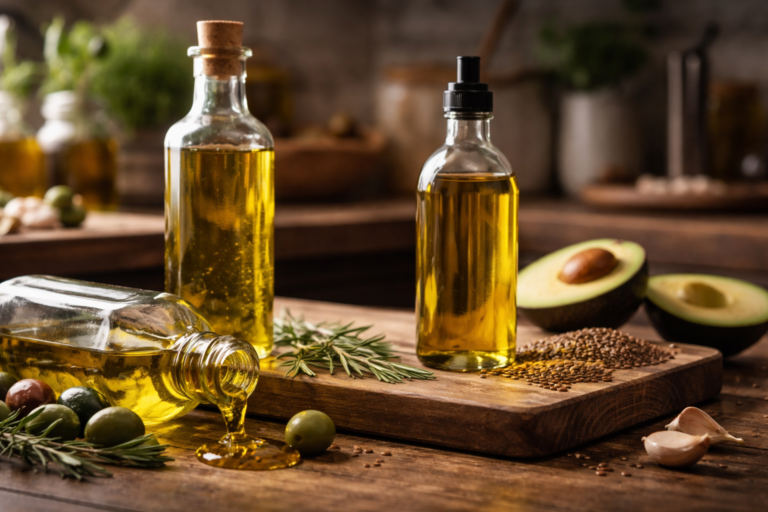
For decades olive oil — especially extra virgin olive oil — has been marketed as the poster child of healthy eating. Recent reappraisals by nutrition scientists, however, suggest that olive oil’s reputation may have been inflated, and a cheaper rival is now being touted by some experts as equally or more advantageous for everyday use.
This isn’t a call to dump your pantry, but it is a reminder that nutritional headlines often oversimplify complex science. Below I unpack what changed, why the “cheapest” option is winning attention, and how to choose and use oils sensibly.
What changed: science catching up with nuance
Early support for olive oil largely came from observational studies of Mediterranean populations. Those diets are associated with lower rates of heart disease, and olive oil was an obvious hero.
But more recent scrutiny has highlighted several important caveats:
- Observational studies can’t prove cause and effect. People who use olive oil may also eat more vegetables, exercise more, and have other healthy habits.
- Not all olive oil is equal. Extra virgin olive oil (EVOO) contains beneficial polyphenols, but many products on supermarket shelves are blended or adulterated, offering far less of those compounds than assumed.
- Nutrient context matters. Benefits attributed to olive oil may reflect the overall Mediterranean dietary pattern rather than a single “magic” fat.
- New randomized trials and re-analyses show that various unsaturated vegetable oils produce similar improvements in blood lipids and cardiovascular risk markers when they replace saturated fats.
Those developments led some experts to say olive oil’s unique status was overhyped — not because it’s harmful, but because other, cheaper oils can deliver many of the same health benefits.
The cheaper rival: why canola (rapeseed) oil is in the spotlight
Canola (rapeseed) oil is one of the main oils being pitched as a cost-effective alternative. Here’s why it’s getting attention:
- Favorable fat profile: Canola oil is low in saturated fat and high in monounsaturated fats, similar to olive oil. It also contains a modest amount of alpha-linolenic acid (ALA), an omega-3 plant fat.
- Good omega-6 to omega-3 ratio: Compared with many seed oils, canola has a more balanced ratio, which some research links to better inflammatory profiles.
- Neutral flavor and versatility: Canola’s mild taste and relatively high smoke point make it useful for a wide variety of cooking methods.
- Cost and availability: It’s typically less expensive than extra virgin olive oil, which matters for everyday cooking where large volumes are used.
Importantly, experts aren’t unanimously declaring canola superior to olive oil. Instead, they’re acknowledging that canola is often just as healthy for common culinary uses and more economical, especially when EVOO’s beneficial polyphenols are either not present or degraded by heat.
How to choose and use oils wisely
If the debate sounds like splitting hairs, that’s partly because the best approach is pragmatic rather than ideological. Consider these practical rules:
- Use whole-food fats too. Nuts, seeds, avocados, and oily fish are important sources of healthy fats beyond bottled oils.
- Match oil to the task. Use higher-smoke-point oils (canola, refined olive, avocado) for high-heat cooking and reserve EVOO for dressings, dips, or finishing where flavor and polyphenols matter.
- Rotate oils. Varying between olive, canola, sunflower, and others reduces reliance on any single source and helps balance fatty acids.
- Watch portions. All oils are calorie-dense. Even the healthiest fat can contribute to weight gain if overused.
- Buy quality when it matters. If you’re paying for EVOO, store it properly (cool, dark place) and use it raw or at low heat to preserve polyphenols.
Bottom line: moderation and context outrank single-food heroics
The headline version — “Goodbye olive oil” — overstates the case. Olive oil remains a healthy choice, particularly high-quality extra virgin varieties used where their flavor and antioxidants matter. The healthier take-home is that several vegetable oils, including more affordable canola, can offer comparable heart-health benefits when used in place of saturated fats.
Think less in absolutes and more in patterns: prioritize unsaturated fats, limit saturated and trans fats, use oils appropriately for cooking, and focus on the whole diet. That pragmatic stance is what many nutrition experts are recommending now — and it’s kinder to both your wallet and your pantry.