
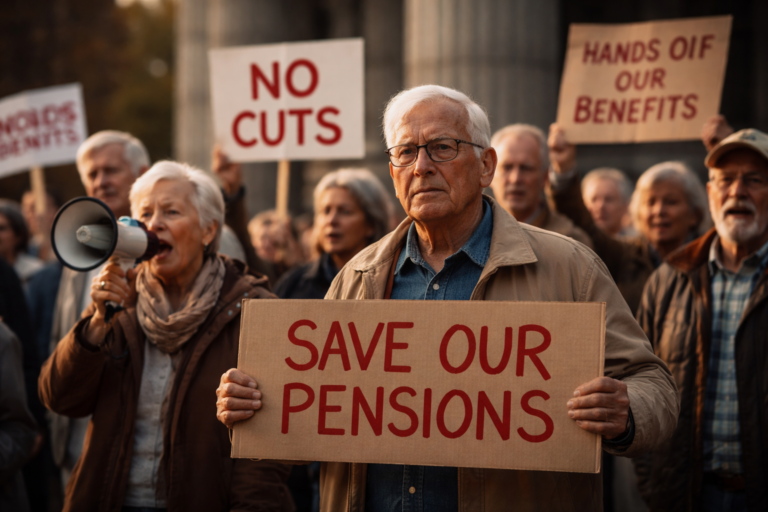
The recent confirmation by officials that pension payments will be reduced next year has triggered an immediate and growing backlash. Seniors — many of whom rely on pensions as their primary source of income — are organizing, protesting, and exploring legal options. This post summarizes the announcement, its likely impacts, the forms the backlash is taking, and practical steps seniors and supporters can take now.
What was announced
Officials have confirmed a reduction in pension payouts scheduled to take effect next year. Details vary by plan, but common elements include:
- A percentage reduction in monthly benefits.
- Changes to cost-of-living adjustments (COLA).
- Delays in full implementation or phased cuts for some cohorts.
The stated rationale from policymakers includes fiscal pressure on public budgets, demographic shifts producing higher long-term liabilities, and the need to re-balance pension systems. Officials say cuts are necessary to avoid insolvency and protect future beneficiaries, but critics argue the burden is being placed unfairly on current retirees.
Why pension cuts are being proposed
Several structural and short-term factors are usually cited when officials move to reduce pension payouts:
- Aging populations and a higher ratio of retirees to workers.
- Investment shortfalls or lower-than-expected returns in pension funds.
- Budget deficits that force governments to reallocate limited revenue.
- Previous underfunding of pension obligations over many years.
While these are often valid concerns at a system level, the policy response matters: whether cuts are shared broadly, whether there are alternatives (tax increases, spending reprioritization), and whether promised protections for the most vulnerable are enforced.
How seniors will be affected
For many retirees, even modest cuts can have significant consequences:
- Reduced ability to cover basic living costs such as food, utilities, and housing.
- Increased difficulty affording healthcare, medications, and long-term care.
- Greater risk of debt, eviction, or reliance on family or social services.
- Emotional and psychological stress from financial insecurity.
The impact is uneven. Those with limited savings, high housing costs, or chronic health issues will be hardest hit.
The backlash: how seniors are pushing back
Seniors and advocacy groups have responded quickly, using a range of tactics:
- Public demonstrations and rallies at government offices.
- Petitions and coordinated calls or emails to elected representatives.
- Legal challenges questioning the legality of cutting benefits owed under existing contracts or statutes.
- Media and social media campaigns highlighting personal stories to build public sympathy.
- Coalition-building with unions, nonprofits, and community organizations.
This pushback aims not only to reverse the cuts but also to force greater transparency about pension fund management and to explore alternatives to across-the-board reductions.
What seniors and supporters can do now
If you or someone you know will be affected, consider these immediate steps:
- Review your pension statement and official notices carefully. Note timelines and appeal procedures.
- Contact your pension administrator or benefits office to ask detailed questions and confirm next steps.
- Reach out to elected representatives to express concerns and seek clarification on alternatives.
- Join or form local groups to coordinate advocacy — collective action amplifies individual voices.
- Consult legal aid or nonprofits that specialize in elder law if you believe promised benefits are being unlawfully reduced.
- Reassess your household budget and prioritize essentials (see quick tips below).
- Explore community resources such as food banks, subsidized healthcare programs, and housing assistance.
Quick budgeting tips
- Create a simple monthly budget listing fixed and variable expenses.
- Contact utility companies and lenders to ask about hardship programs.
- Shop for generic medications and compare pharmacies for savings.
- Delay nonessential purchases and look for local senior discounts.
What to watch next
Key developments to follow include:
- Any interim measures or exemptions for the most vulnerable.
- Legal rulings on challenges to the cuts.
- Budget negotiations that might introduce offsets or alternative revenue sources.
- Political responses, especially during local or national elections.
Conclusion
Pension cuts are a high-stakes issue for millions of seniors and their families. The growing backlash reflects deep anxiety and a determination to defend earned benefits. Staying informed, organizing with others, and using available legal and community resources are the best immediate responses while broader policy debates play out.