
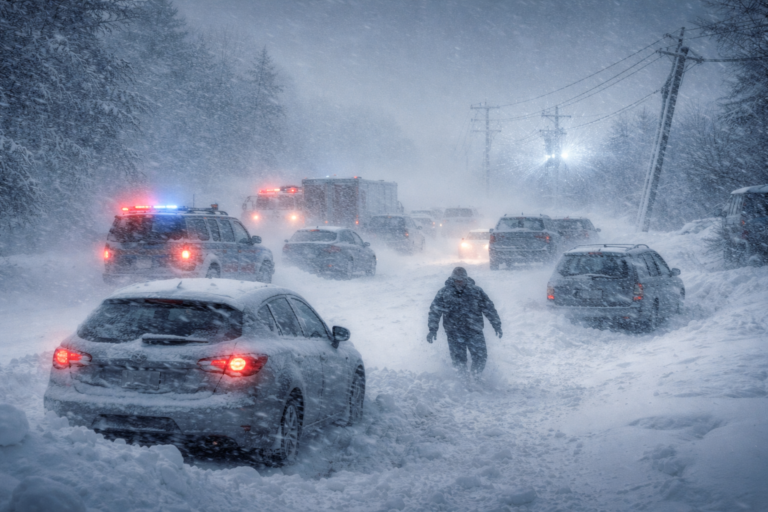
An intense winter storm is closing in, and forecasts call for up to 60 inches of snow in some areas this weekend. Officials have issued a winter storm warning, and communities should prepare for severe travel chaos and widespread power outages. This guide explains immediate actions to take, how to stay safe, and what to pack in your emergency kit.
What to expect
The storm will bring heavy, wet snow, strong winds, and rapid accumulation. Blowing snow could reduce visibility to near zero, and drifting will make roads impassable. Power lines and trees are at high risk due to the weight of the snow, increasing the likelihood of outages that could last days in affected areas.
Expect:
- Travel bans and road closures.
- Long delays or cancellations for flights and public transit.
- Fallen trees and hazardous debris.
- Intermittent or prolonged power loss.
Immediate steps to take now
Act quickly to reduce your risk and stay comfortable if services are interrupted.
- Stay informed. Monitor local weather alerts, radio, and official social media channels for updates and evacuation orders.
- Charge devices. Fully charge phones, power banks, laptops, and any rechargeable medical equipment.
- Fill vehicles. Top off gas tanks to avoid lines and to ensure you can run a vehicle for heat if necessary.
- Prepare your home. Bring in outdoor furniture, secure loose objects, and insulate doors and windows with weather stripping or towels.
Build an emergency kit
A basic emergency kit can make the difference between a manageable storm and a dangerous situation. Store supplies in an easily accessible container.
Essential items:
- Water: 1 gallon per person per day for at least 3 days.
- Nonperishable food: 3 days’ worth, plus a manual can opener.
- Flashlights and extra batteries.
- First-aid kit and essential medications (7-day supply if possible).
- Battery-powered or hand-crank radio.
- Multi-tool, duct tape, and plastic sheeting.
- Warm blankets, sleeping bags, and extra clothing.
- Portable phone chargers/power banks and solar chargers if available.
- Pet supplies, baby necessities, and copies of important documents.
Prepare for power outages
Widespread outages are likely. Take steps now to reduce risk and keep warm safely.
- Have alternative heat sources ready: portable gas or kerosene heaters, fireplaces, or a safe wood-burning stove. Never use indoor barbecue grills, generators, or vehicle heaters inside—carbon monoxide is deadly.
- If you own a generator, ensure it is operated outdoors only, at least 20 feet from your home, and follow manufacturer instructions. Use heavy-duty extension cords to power appliances directly.
- Keep refrigerator and freezer doors closed to preserve food. A full freezer can keep food frozen for about 48 hours.
- Turn off or disconnect sensitive electronics to prevent damage from outages or surges.
Travel and driving safety
If travel is unavoidable, reconsider your plans. Roads will be hazardous, and emergency services may be delayed.
Before you go:
- Check road conditions and weather advisories.
- Inform someone of your route and expected arrival time.
- Carry a winter survival kit in your car: blankets, water, snacks, shovel, windshield scraper, flashlight, flares or reflective triangles, jumper cables, and sand or cat litter for traction.
If you become stranded:
- Stay with your vehicle; it provides shelter and makes you easier to find.
- Run the engine periodically for heat—but clear the exhaust pipe of snow first to avoid carbon monoxide buildup.
- Keep a window cracked for ventilation and use blankets and extra clothing to conserve heat.
Protect your home and pipes
Frozen or burst pipes are a common secondary hazard.
- Keep thermostats set to at least 55°F (13°C), even if you’re away.
- Open cabinet doors beneath sinks to allow warm air to circulate around plumbing.
- Let faucets drip slightly to prevent freezing in exposed pipes.
- Know how to shut off the main water valve in case a pipe bursts.
After the storm
Once conditions improve, check for hazards before venturing out. Report downed power lines and gas leaks immediately. Clear snow from around vents and generators, and avoid overexertion while shoveling—take frequent breaks and lift with your legs.
Stay cautious: fallen trees and hidden ice can create lingering dangers, and restoration of services may take time.
Final reminder
This is a serious storm with the potential to disrupt life and infrastructure. Follow official guidance, prepare now, and help neighbors—especially elderly or vulnerable people—get ready. Staying informed and having a plan will keep you safer during the chaos and help your community recover more quickly.