
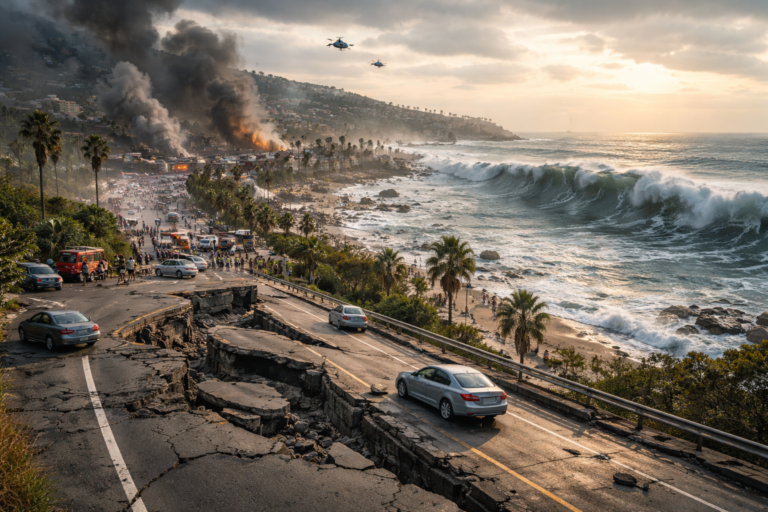
On any coastline, the headline “A 7.1-magnitude earthquake strikes offshore, less than 100 km from the coast” is a reminder of the real and immediate risks that coastal communities face. An event like this can produce strong shaking, damage, and — depending on depth and location — the potential for tsunamis. Knowing what to expect and how to respond can save lives and reduce harm.
Understanding the magnitude and distance
Magnitude measures the energy released at the earthquake’s source. A 7.1-magnitude quake is considered major and can cause significant damage, especially near the epicenter. When such a quake occurs offshore and less than 100 km from shore, the effects on coastal areas can be amplified because:
- Ground shaking can be strong even on land, particularly in soft soils and reclaimed land.
- Offshore ruptures can displace large volumes of water and create tsunamis.
- Aftershocks can follow; some may be strong enough to cause additional damage.
Depth matters too. Shallow earthquakes (close to the surface) typically produce stronger shaking than deeper ones. Emergency agencies will combine magnitude, depth, and fault type to issue warnings and recommendations.
Immediate risks: shaking, structural damage, and tsunami potential
When “A 7.1-magnitude earthquake strikes offshore, less than 100 km from the coast,” people may experience:
- Intense shaking for several seconds to a minute.
- Falling objects, broken glass, and structural cracks.
- Landslides or liquefaction in susceptible areas.
- Tsunami waves if the seabed was displaced.
Tsunami arrival times can be short when the source is nearshore. In many cases, local tsunami waves may reach the coast within minutes, leaving little time for evacuation. This makes rapid response and preparedness essential.
What to do during the quake
If you feel strong shaking:
- Drop, Cover, and Hold On: get under sturdy furniture or against an interior wall, cover your head, and hold on until shaking stops.
- If outdoors, move to a clear area away from buildings, trees, streetlights, and utility wires.
- If driving, safely pull over, stop, and stay in the vehicle until shaking ends. Avoid stopping on bridges or tunnels if possible.
If you are in a tsunami evacuation zone or near the shore and feel strong shaking, you should evacuate immediately to higher ground — do not wait for official warnings.
After the shaking: safety checks and actions
Once the shaking has stopped:
- Check yourself and others for injuries. Provide first aid and seek medical help for serious injuries.
- Inspect your surroundings for hazards: gas leaks (smell or hissing), damaged electrical lines, structural damage, and fires.
- If you suspect a gas leak, shut off the main if you know how and it is safe to do so, and move away from the building.
- Use text messages or social media to communicate; phone networks may be overloaded.
- Expect aftershocks and be prepared to Drop, Cover, and Hold On again.
If you were told to evacuate due to a tsunami threat, follow evacuation routes to higher ground or inland immediately. Even if a tsunami does not materialize, staying informed through official channels is critical.
Preparedness checklist for coastal residents
Being ready before an event reduces confusion and risk. Key actions include:
- Create an emergency kit with water (3 days), nonperishable food, flashlight, batteries, first-aid supplies, and necessary medications.
- Make a family plan: agree on meeting points, communication methods, and evacuation routes.
- Know whether you live in a tsunami hazard zone and identify nearby higher ground.
- Secure heavy furniture, appliances, and water heaters to reduce the risk of injury and damage.
- Keep important documents in a waterproof, portable container.
Recovery and community support
After immediate dangers pass, recovery can take days to months. Damage assessment, utility restoration, and debris removal take time. Community shelters and local emergency services will coordinate aid.
Long-term recovery steps include:
- Documenting damage with photos for insurance and relief claims.
- Avoiding re-entry to structurally unsafe buildings until inspected.
- Seeking mental health support — earthquakes and evacuations are stressful and traumatic for many people.
Stay informed and follow official guidance
When “A 7.1-magnitude earthquake strikes offshore, less than 100 km from the coast,” rely on official sources for warnings and instructions: local emergency management, national agencies, and tsunami warning centers. Social media can be useful, but confirm information through authoritative channels before acting.
Preparedness, quick action during shaking, and following evacuation orders when necessary are the best defenses against the dangers an offshore major earthquake brings. Stay safe, stay informed, and help others when it’s safe to do so.