
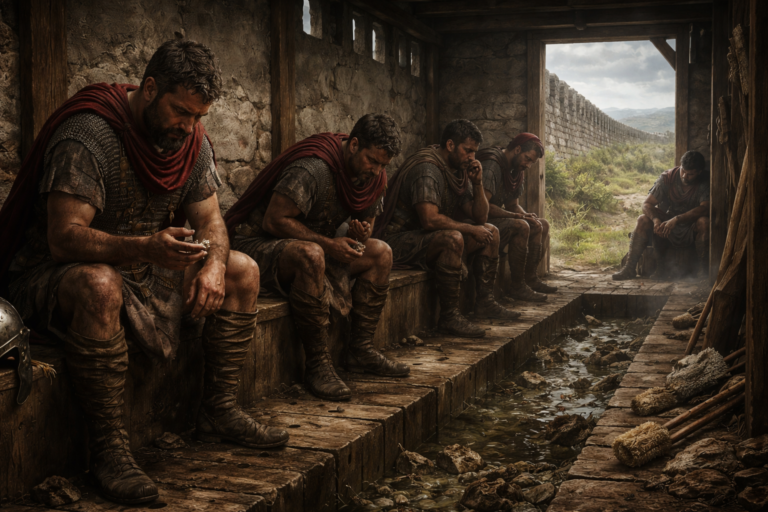
Archaeologists and biomolecular scientists have combined forces to produce a vivid — if not entirely comfortable — picture of daily life on the northern frontier of Roman Britain. A new analysis of latrines along Hadrian’s Wall reveals Roman soldiers lived with widespread and disruptive gut parasites 1,800 years ago, illuminating health, diet, and sanitation practices in one of the empire’s most strategically important outposts.
How researchers studied ancient latrines
The investigation relied on a mix of traditional archaeology and modern laboratory techniques. Teams excavated latrine pits and cesspits associated with forts and milecastles, recovering preserved sediment and occasional coprolites (fossilized feces). Those samples were analyzed using:
- Microscopic examination to identify parasite eggs by shape and size.
- Ancient DNA (aDNA) analysis to confirm species-level identifications.
- Stable isotope and residue analysis to infer diet and water sources.
Together these methods allowed scientists to detect a suite of intestinal parasites and tie their presence to living conditions and food preparation practices.
What parasites were found
The most common findings were eggs and genetic signatures of intestinal worms that thrive when sanitation and food hygiene are poor. Key parasites identified included:
- Whipworm (Trichuris trichiura)
- Roundworm (Ascaris lumbricoides)
- Fish and/or beef tapeworms (Taenia spp.)
- Other protozoa and helminths consistent with contamination from human waste and animal products
These parasites can cause chronic digestive distress, malnutrition, anemia, and impaired physical performance — conditions especially problematic for soldiers whose duties demanded strength, endurance, and alertness.
Why infection was so widespread
Several factors contributed to the high prevalence of gut parasites among soldiers:
- Communal latrines and basic sewage systems promoted environmental contamination.
- Shared water sources and poorly filtered water increased transmission risk.
- Diets that sometimes included undercooked meat or raw fish encouraged tapeworm infections.
- Vegetables irrigated or washed with contaminated water could carry eggs of soil-transmitted helminths.
- Close living quarters and frequent movement along the frontier facilitated spread.
In short, the interplay of military logistics, local infrastructure, and dietary habits created ideal conditions for parasites to circulate.
Health and operational impacts on Roman soldiers
The presence of disruptive gut parasites would have had tangible consequences for the garrison:
- Chronic fatigue, abdominal pain, and nutrient deficiencies could reduce soldiers’ physical capability.
- Cognitive effects from anemia and malnutrition might impair decision-making and vigilance.
- Increased susceptibility to other infections due to weakened immune status.
- Long-term reproductive and developmental impacts in populations exposed over generations.
While Roman military discipline and medical knowledge were advanced for their time, they lacked effective antiparasitic drugs and a full understanding of microbial transmission, limiting their ability to control such infections.
Broader archaeological and scientific significance
This study does more than catalog ancient pathogens; it reshapes our understanding of everyday life on the Roman frontier. Key takeaways include:
- Sanitation infrastructure mattered, but even well-planned latrines could be sources of contamination without proper waste removal and water treatment.
- Diet and provisioning strategies influenced disease risk — reliance on local produce, preserved meats, and shared water sources had health trade-offs.
- Combining archaeology with biomolecular tools delivers more nuanced reconstructions of past health than artifacts alone.
Comparative studies across the Roman world show similar parasite profiles in urban and military contexts, suggesting widespread challenges in ancient public health.
What this means today
Although the specific parasites differ in prevalence now that modern sanitation and medicines exist, the core lesson endures: infrastructure, food safety, and clean water are central to preventing disease. The Hadrian’s Wall findings are a reminder that even highly organized societies struggled with invisible health burdens.
By excavating latrines and sequencing ancient DNA, researchers have given voice to the ordinary sufferings of long-departed soldiers — and provided a powerful example of how archaeology and science can illuminate the human cost of empire.