
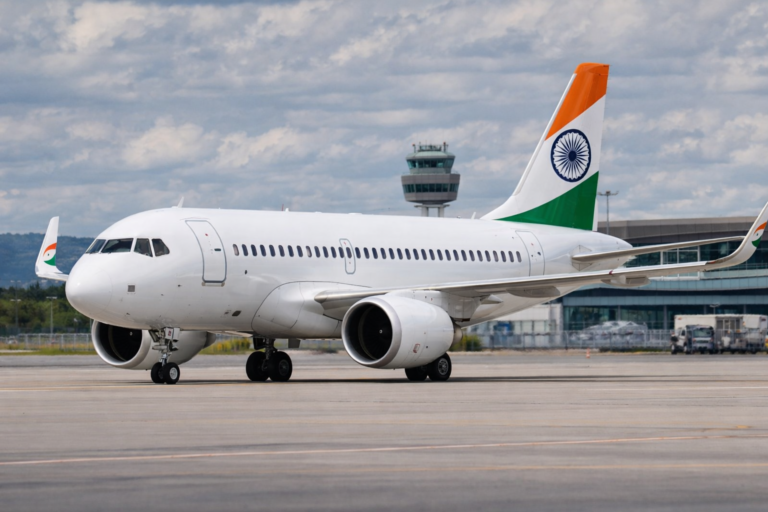
The global aviation industry has long been dominated by giants like Boeing and Airbus, while China has recently entered the race with COMAC. Now, a new contender is emerging—not Chinese, but Indian. India is steadily building its capability to design, manufacture, and assemble passenger jets, signaling a major shift in the global aerospace landscape.
Driven by rising domestic demand, government initiatives, and private-sector innovation, India is positioning itself as a future aircraft manufacturing hub. This article explores how India’s aviation ecosystem is evolving, the companies involved, and what this means for the future.
Why India Is Entering Passenger Jets Manufacturing
India is currently one of the fastest-growing aviation markets in the world. With domestic passenger traffic expected to reach 300 million annually by 2030, the demand for aircraft is soaring.
Key reasons behind India’s push:
- Rapid growth of the middle class
- Increasing regional connectivity
- Government support through initiatives like UDAN scheme
- Heavy reliance on imported aircraft
India aims to reduce dependency on foreign manufacturers and become self-reliant in aerospace production.
The Key Indian Players Entering Passenger Jet Manufacturing
1. Hindustan Aeronautics Limited (HAL)
The most prominent player is HAL, India’s state-owned aerospace giant.
- Developing an 80–100 seat Regional Transport Aircraft (RTA)
- Expected entry into service: 2026–2027
- Target: lower costs by up to 25% compared to global competitors
Additionally, HAL has signed agreements to manufacture the SJ-100 regional passenger jet, marking a historic milestone.
- First full passenger aircraft manufacturing in India in decades
2. Tata Advanced Systems Limited (TASL)
The Tata Group is playing a major role in private-sector aerospace expansion.
- Partnered with Airbus for aircraft assembly
- Established India’s first private helicopter assembly line
- Building infrastructure for future civil aircraft manufacturing
Tata is expected to become a major integrator and supplier in India’s aviation ecosystem.
3. New Indian Startups Entering Aviation
India’s innovation wave includes startups working on next-generation aircraft:
LAT Aerospace (Founded 2025)
- Focus: Hybrid-electric regional aircraft
- Capacity: 12–24 passengers
- Goal: Connect Tier-2 and Tier-3 cities
Sarla Aviation (Founded 2023)
- Focus: Electric air taxis (eVTOL)
- Planned launch: 2028–2029
- Top speed: 250 km/h
These startups highlight India’s ambition not just to catch up—but to leapfrog into future aviation technologies.
Major Aircraft Projects In India
| Project / Company | Aircraft Type | Capacity | Expected Timeline | Key Feature |
|---|---|---|---|---|
| HAL RTA (IRJ) | Regional Jet/Turboprop | 80–100 seats | 2026–27 | 25% lower cost |
| HAL + UAC SJ-100 | Regional Jet | ~100 seats | Late 2020s | First India-built passenger jet |
| Tata-Airbus Projects | Assembly & Manufacturing | N/A | Ongoing | Private sector expansion |
| LAT Aerospace | Hybrid STOL Aircraft | 12–24 seats | Development phase | Short runway operations |
| Sarla Aviation | eVTOL Air Taxi | 6 passengers | 2028–29 | Urban mobility |
India’s Aviation Growth Numbers
- India expected to need 2,200+ aircraft in next 20 years
- Domestic air traffic to nearly double by 2030
- Government aims to increase airports from 145 to 220
- HAL targeting production of 24 aircraft annually
These numbers show why India is investing heavily in local aircraft production.
How India Differs From China’s Aviation Model
While China’s COMAC focuses on large commercial jets like the C919, India is taking a multi-layered approach:
- Focus on regional connectivity first
- Development of cost-efficient smaller aircraft
- Strong reliance on global partnerships (Airbus, Dassault, Russia)
- Growing private-sector participation
India’s approach is gradual but diversified, reducing risk while building capability.
Challenges India Must Overcome
Despite rapid progress, several challenges remain:
1. Certification And Safety Standards
Aircraft must meet global aviation regulations, which require years of testing.
2. Supply Chain Limitations
India still depends on foreign suppliers for engines and advanced avionics.
3. High Development Costs
Aircraft manufacturing requires billions in investment and long timelines.
4. Competition
Global giants like Boeing, Airbus, and COMAC dominate the market.
However, India’s strategy of partnership + domestic innovation is helping overcome these barriers.
Future Outlook: Can India Become A Global Aircraft Manufacturer?
India’s aviation ambitions are no longer theoretical. With projects expected to launch by 2026–2030, the country is entering a critical phase.
Future expectations:
- Indigenous passenger aircraft entering service
- Growth in exports of aircraft components
- Rise of electric and hybrid aviation solutions
- Increased global partnerships
India may not immediately rival Boeing or Airbus, but it is positioning itself as a strong third pillar in regional aviation.
Conclusion
The arrival of an Indian passenger jet manufacturing ecosystem marks a historic turning point. Unlike China’s centralized model, India is building a collaborative, innovation-driven aviation industry involving public enterprises, private giants, and startups.
With strong domestic demand, government backing, and technological advancements, India is on track to become a significant global aviation player in the coming decades.
The message is clear: the next big name in passenger jets may not come from China—but from India.