
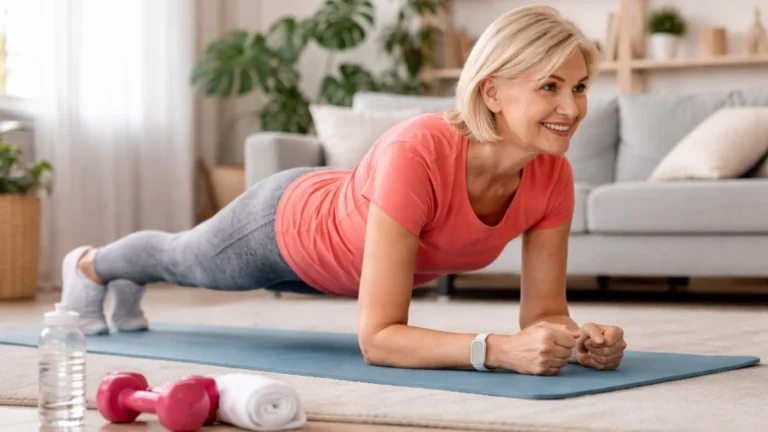
Abdominal fat after 60: the easiest, most effective exercise you’re not doing
Abdominal fat after 60 is frustrating and stubborn, but the solution isn’t always complicated. Many people assume they need fancy gym equipment or intense workouts to shift belly fat. In reality, one simple, accessible habit—brisk walking with short intervals—can be the easiest and most effective exercise you’re probably not doing.
Why walking works for abdominal fat after 60
Visceral fat (the deep belly fat linked to metabolic risk) responds well to sustained, moderate-intensity aerobic activity. Brisk walking raises your heart rate enough to burn calories and improves insulin sensitivity, two key factors in reducing abdominal fat. Walking is low-impact, easy on joints, and scalable for different fitness levels—important considerations for people over 60.
Research consistently shows that regular walking reduces visceral fat and improves cardiovascular health, especially when paired with occasional higher-effort bursts. It’s safe, free, and can be done almost anywhere—no special skills required.
The simple routine: brisk walking + mini-intervals
This is the “easiest” part: you don’t need complicated moves. Aim for a 20–40 minute walk, 4–6 times a week, with these components:
- Warm up: 5 minutes at an easy pace to loosen muscles and raise body temperature.
- Brisk phase: 10–20 minutes walking at a pace that feels moderately hard (you can talk, but singing would be difficult).
- Intervals: 3–6 short bursts of 30–90 seconds at a faster pace (power walk or uphill), followed by 1–2 minutes of easy walking.
- Cool down: 5 minutes easy walking and gentle stretching.
Start conservatively if you’re new to exercise. For example, begin with 20 minutes total and only one or two short bursts, then add time and intervals as your stamina improves.
Why intervals help
Short bursts of higher intensity (even walking-based) increase calorie burn during and after your workout by boosting your metabolic rate. They also help reduce visceral fat more effectively than steady, slow walking alone. The key is that these intervals are brief and controlled—safe for most people over 60 when done gradually.
Add strength and posture work for better results
Walking is powerful, but combining it with two weekly strength sessions magnifies fat loss and preserves muscle, which naturally declines with age. Focus on:
- Bodyweight or light-resistance exercises: squats, wall push-ups, step-ups.
- Core-friendly moves: bird-dogs, seated marches, or standing Pallof presses (with a band) to build functional core strength.
- Balance work: heel-to-toe walks, single-leg stands.
Strength training raises resting metabolic rate and improves posture. Better posture engages core muscles during everyday activities, helping flatten the belly appearance over time.
Practical tips to make it a habit
- Schedule walks like appointments—consistency beats intensity.
- Break workouts into two 15–20 minute walks if one long session is hard.
- Use a pedometer or phone app to track steps and progress.
- Walk with a friend or join a group for accountability.
- Choose varied routes or add hills/stairs to increase challenge without speed.
- Wear supportive shoes and dress in layers for comfort.
Safety and realistic expectations
- Always check with your healthcare provider before starting a new exercise routine, especially if you have chronic conditions or mobility issues.
- Expect gradual change. Losing abdominal fat after 60 takes consistent activity, sensible eating, and adequate sleep.
- Spot reduction isn’t possible—combine cardio, strength training, and a nutrient-focused diet for best results.
The bottom line
If you’re struggling with abdominal fat after 60, start with what’s realistic and sustainable: brisk walking with short intervals, most days of the week, plus two simple strength sessions. It’s low-cost, low-risk, and surprisingly effective. Make it a habit, be patient, and you’ll likely see better energy, improved waist measurements, and a healthier future—without complicated equipment or extreme workouts.