
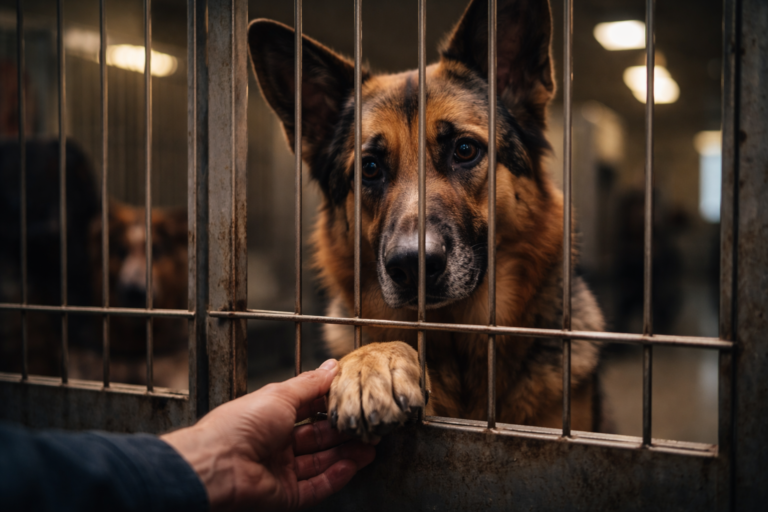
Lila is a brindle-coated German Shepherd with soulful eyes and a story that moved thousands online. A shelter photograph, a short plea, and a stack of medical bills later, and Lila became viral—forcing people to confront the messy reality of rescue: the profound love and the steep costs that can follow.
This post explains who Lila is, why her story resonated, and what adopting a dog like her truly means. If you’ve ever wondered whether opening your home to a rescue is worth the risk, read on for practical guidance and thoughtful perspective.
Who is Lila?
Lila was found as a stray with signs of neglect and an old injury that required surgery. Volunteers nursed her through antibiotics, wound care, and a long recovery. During that time, she demonstrated loyalty, intelligence, and a startling capacity to trust again—traits typical of German Shepherds when given stability and care.
Her shelter shared photos and an honest description: Lila is affectionate but wary, good with people after a slow introduction, and in need of ongoing medical attention. The frankness of the plea—“This dog needs a home, and we can’t cover the rest”—is what made people take notice.
Why the internet was torn
The online response was immediate and divided into predictable threads.
- Heartfelt offers poured in: messages from people ready to foster or adopt.
- Critical voices warned about hidden costs and the burden on adopters.
- Others debated the ethics of shelters posting dogs with major medical needs.
That tension—compassion versus practicality—tore through social feeds because Lila embodies both extremes: she’s undeniably lovable, and undeniably expensive to care for.
What adopting Lila could mean: heartbreak and high bills
German Shepherds are devoted and intelligent, but rescuing one with medical needs comes with realities you should weigh carefully.
- Emotional investment: Bonds form quickly. Lila may require patience, veterinary visits, rehabilitation, and behavior work. Watching a dog suffer or regress can be emotionally draining.
- Financial commitment: Surgeries, medications, physical therapy, and follow-up visits add up. Emergency care can be particularly costly.
- Time and lifestyle changes: Ongoing training, exercise, and consistency are essential for a shepherd’s well-being.
“Heartbreak” is real when progress stalls or when life changes force difficult decisions. “High bills” are real too. But for many adopters, the profound reward of seeing a healed, joyful dog outweighs both.
How to prepare if you’re considering adopting Lila (or a dog like her)
Preparing in advance reduces surprises. Consider these steps:
- Budget realistically: Include surgery, medications, follow-ups, routine care, and an emergency fund. Pet insurance can help but often doesn’t cover pre-existing conditions.
- Vet intake: Schedule a full exam, diagnostic tests, and a written care plan. Ask for cost estimates.
- Build a support team: Identify trainers, behaviorists, and local rescues who can advise. Community groups often offer low-cost services.
- Home readiness: Create a calm recovery space, plan for crate/rest time, and arrange leave from work if needed.
- Emotional readiness: Join rescue forums or speak with other adopters to set expectations and get moral support.
How to help if you can’t adopt
Not everyone is in a position to take on a medically needy dog. You can still make a meaningful impact:
- Foster: Temporary homes free up shelter space and provide socialization.
- Donate: Funds for medical care, supplies, or transport help shelters save more lives.
- Share the story: Responsible sharing can find adopters or donors quickly.
- Volunteer: Time at a local shelter can improve dogs’ adoptability and mental health.
Final thoughts: love beyond cost
Lila’s story isn’t just about money or heartbreak—it’s about the choice to act compassionately and realistically. Adopting a rescue like Lila is a serious commitment, but it can also be one of the most transformative relationships you’ll ever have. If you’re ready to balance the emotional and financial demands, you could be the reason a wounded dog learns to trust again.
If you can’t adopt, there are many ways to help. Every little bit—shares, donations, fosters—adds up and could mean the difference between a lonely kennel and a loving home for dogs like Lila.