
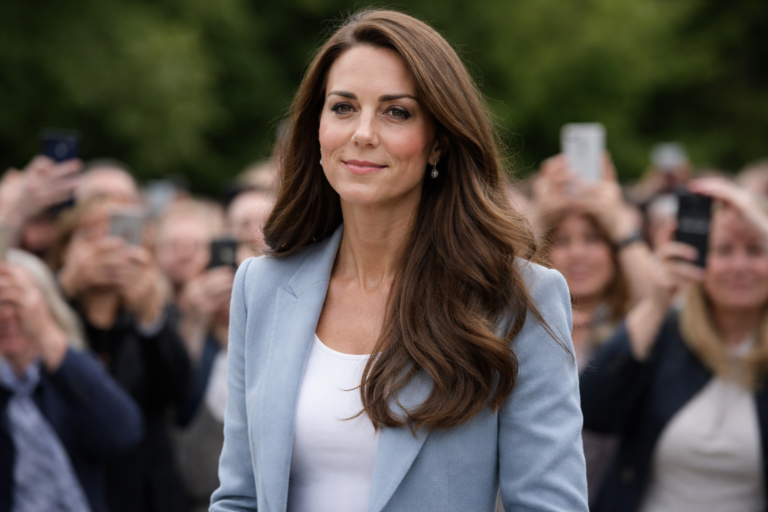
After months of limited public visibility, Kate Middleton, the Princess of Wales, has re-emerged following her cancer treatment, sparking intense public debate. Her carefully timed appearances, emotional messages, and symbolic gestures have divided opinion across the United Kingdom and beyond. While many view her return as a story of resilience and strength, others question whether it reflects strategic image management by the royal institution.
This article explores the full timeline, facts, and implications behind her reappearance, combining the latest verified developments with broader public reactions.
The Timeline Of Kate Middleton’s Cancer Journey
The Princess of Wales’ health journey has been both private and publicly scrutinized, creating one of the most closely followed royal stories in recent years.
Key Events Overview
| Event | Details |
|---|---|
| January 2024 | Underwent major abdominal surgery |
| March 2024 | Publicly revealed cancer diagnosis |
| 2024 (mid-year) | Underwent preventive chemotherapy |
| September 2024 | Completed chemotherapy |
| January 2025 | Announced cancer remission |
| 2025–2026 | Gradual return to public duties |
| 2026 | Reappears with renewed public messaging |
Her diagnosis came as a shock, discovered after post-surgery tests confirmed cancer, though the specific type has never been disclosed.
She later described the experience as a “roller coaster” involving both emotional and physical challenges.
Months Of Silence And Public Speculation
Kate’s prolonged absence from royal duties in 2024 led to widespread speculation, often referred to as a modern royal media crisis.
During this time:
- The palace maintained strict privacy protocols
- Public curiosity intensified due to limited updates
- Social media narratives and conspiracy theories grew rapidly
Her absence highlighted a fundamental tension between:
- Royal privacy
- Public expectation for transparency
This silence ultimately set the stage for a highly scrutinized return.
Her Reappearance: Symbolism And Messaging
Kate’s return has not been sudden but carefully paced and symbolic.
Key Public Actions In 2026
- Sent a personalized gift and message to the hospital where she received treatment
- Shared messages of support on World Cancer Day, emphasizing compassion and hope
- Gradually resumed public engagements alongside Prince William
- Spoke openly about lifestyle changes, including reduced alcohol consumption
One of her most impactful statements emphasized:
- Cancer is not a linear journey
- Recovery involves long-term emotional adjustment
Strength Narrative: A Symbol Of Resilience
Supporters argue that Kate’s reappearance represents authentic strength and vulnerability.
Why Many See Strength
- She openly acknowledged fear, exhaustion, and recovery struggles
- Her messaging focuses on solidarity with cancer patients
- She promotes holistic healing, including nature and mental well-being
- She resumed duties gradually, respecting health limitations
Public reaction in this camp views her as:
- A modern royal figure
- A relatable public personality
- A powerful advocate for cancer awareness
Her continued connection with the Royal Marsden Hospital further reinforces her credibility and commitment.
Criticism: Strategic Image Control?
Despite widespread sympathy, some critics argue that her return is strategically curated.
Key Criticisms
- Carefully staged appearances may be designed to control public narrative
- Limited medical disclosure fuels ongoing speculation
- Timing of engagements aligns with broader royal reputation management
- Messaging may aim to restore institutional trust after scrutiny
Critics point out that:
- The monarchy has historically managed public perception carefully
- Kate’s return coincides with increased visibility of senior royals
This perspective suggests her reappearance is not just personal—but institutional strategy.
The Role Of Public Perception In Modern Royalty
The debate surrounding Kate Middleton reflects a larger shift in how modern audiences view the monarchy.
Changing Expectations
- Demand for transparency and authenticity
- Increased scrutiny via social media
- Blurring line between private health and public role
Kate’s situation highlights:
- The difficulty of balancing human vulnerability with royal duty
- The importance of controlled communication in the digital age
Health, Recovery, And Lifestyle Changes
Kate has also used her platform to promote healthier living following her diagnosis.
Key Changes Reported
- Reduced alcohol consumption significantly
- Focus on mental and emotional healing
- Increased engagement with nature-based therapies
- Advocacy for long-term recovery awareness
Experts often emphasize that post-treatment recovery:
- Can take months or years
- Involves both physical and psychological adaptation
Her openness about these challenges has added credibility to her narrative.
Future Role Of The Princess Of Wales
As of 2026, Kate Middleton is:
- Increasing her public appearances
- Taking on more charitable and healthcare roles
- Positioning herself as a central figure in the monarchy’s future
Royal analysts suggest that:
- Her visibility will continue to increase
- She may play a key role in shaping a modernized monarchy
Conclusion
Kate Middleton’s reappearance after months of silence is more than just a personal milestone—it is a defining moment for the British monarchy.
To some, she represents strength, dignity, and resilience in the face of illness. To others, her return raises questions about image control and institutional strategy.
The truth likely lies somewhere in between.
What remains undeniable is that her journey has:
- Sparked national conversation
- Increased awareness about cancer recovery
- Redefined expectations of modern royal communication
As she continues to step back into public life, her story will remain a powerful intersection of health, media, and monarchy.