
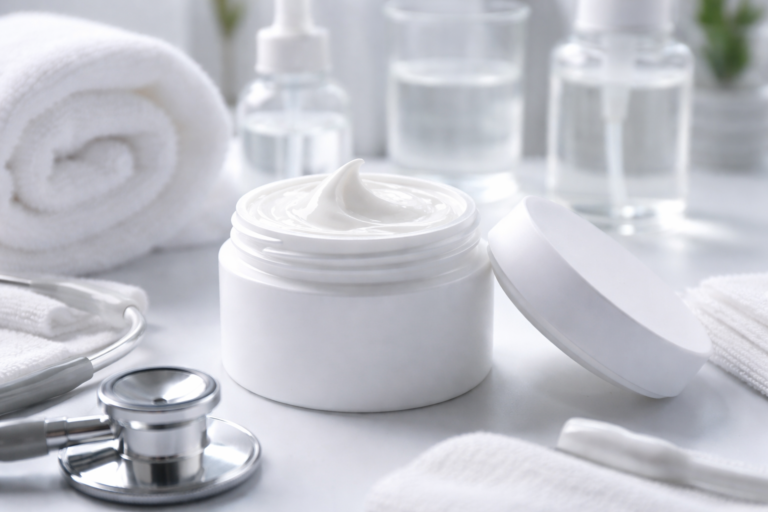
It may sound surprising, but many dermatologists are pointing patients toward a simple, unglamorous jar from the pharmacy shelf rather than a high-priced designer tub. An old-school moisturizer with no luxury branding is crowned the number one choice by dermatology experts because it delivers the essentials: hydration, barrier repair, and minimal irritation—without the frills.
This isn’t a knock on brands that invest in experience and aesthetics. It’s a recognition that, for skin health, ingredients and formulation matter far more than packaging or price.
Why dermatologists prefer no-frills moisturizers
There are clear, practical reasons skin specialists recommend basic moisturizers:
- Proven ingredients: Classic formulations often rely on time-tested humectants (like glycerin), occlusives (like petrolatum), and emollients (like ceramides) that reliably improve skin barrier function.
- Fewer irritants: Fragrance, unnecessary botanicals, and heavy essential oils can provoke sensitivity or allergic reactions. Simpler products reduce that risk.
- Cost-effectiveness: Accessible pricing encourages consistent use—arguably the most important factor in skincare benefits.
- Transparency: Straightforward labels make it easier to understand what you’re putting on your skin.
- Stability and efficacy: Less emphasis on trendy actives and exotic extracts can mean more stable formulations that work across skin types.
Key ingredients to look for
When you choose a straightforward moisturizer, focus on ingredients with clear skin benefits:
- Humectants: glycerin, hyaluronic acid, propylene glycol — attract and hold water in the skin.
- Occlusives: petrolatum, dimethicone, lanolin — lock moisture in and protect the barrier.
- Emollients: ceramides, fatty acids, cholesterol — fill gaps in the skin’s lipid layer to smooth and repair.
- Soothing agents: niacinamide, panthenol, colloidal oatmeal — calm inflammation and support healing.
Avoid unnecessary extras like added fragrance, denatured alcohol, or multiple botanical extracts if you have sensitive or reactive skin.
How to use an old-school moisturizer effectively
A basic product can deliver excellent results when used correctly:
- Cleanse gently. Use a mild, non-stripping cleanser suited to your skin type.
- Apply to damp skin. Pat moisturizer onto skin within a few minutes of washing to trap moisture.
- Layer appropriately. Lighter formulations go under sunscreen and makeup; heavier creams or ointments are best for night use or for dry, compromised skin.
- Frequency: Twice daily is standard for most people. Reapply after handwashing or when skin feels dry.
- For specific concerns: Choose petrolatum-heavy ointments for eczema or very dry patches; pick lighter, non-comedogenic gels or lotions for oily or acne-prone skin.
Debunking myths about luxury branding
Many people assume high price equals higher efficacy. That’s not always true.
- Marketing vs. chemistry: Luxury brands often invest in premium packaging, marketing, and sensory additives (scents, textures), which raise costs but may not improve clinical outcomes.
- Active concentration matters: Some expensive products contain low concentrations of actives or rely on a “halo” effect from branding rather than stronger doses.
- Preservation and contamination: Complex formulations with many botanicals require more preservatives and can be less stable over time.
A simple, well-formulated moisturizer can outperform a luxury product for daily hydration and barrier repair.
How to choose the right no-frills moisturizer
Use this quick checklist when shopping:
- Read the ingredient list first: look for glycerin, ceramides, petrolatum, dimethicone, and hyaluronic acid.
- Skip fragrance and unnecessary plant extracts if your skin is sensitive.
- Match the texture to your needs: ointment/cream for dry skin; lotion/gel for oily skin.
- Check for “non-comedogenic” if you are acne-prone.
- Patch test a small area if you have known sensitivities.
- When in doubt, ask a dermatologist—especially for conditions like eczema, rosacea, or persistent dryness.
Final thoughts
An old-school moisturizer with no luxury branding is crowned the number one choice by dermatology experts because it focuses on what matters: restoring and protecting the skin barrier with minimal risk. Consistency, the right ingredients, and proper application will always matter more than the label on the jar. If you’re unsure which simple moisturizer is best for you, consult your dermatologist for a personalized recommendation.