
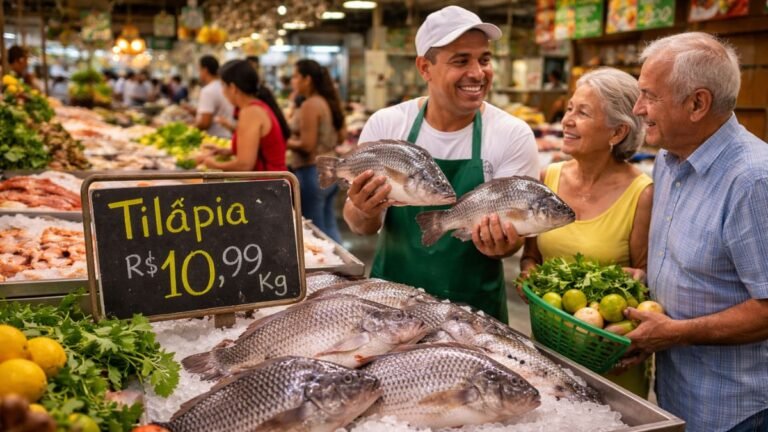
For decades, certain inexpensive freshwater species in Brazil were dismissed as “poor people’s fish” — inexpensive, common and often overlooked by wealthier consumers. Now, however, another once-ignored “poor people’s fish” is becoming a sought-after staple as Brazilians rediscover its safety, low cost and impressive nutritional benefits. Renewed farming practices, better hygiene standards and smart marketing are changing perceptions across the country.
From stigma to staple: how perceptions shifted
The stigma around cheap fish grew from concerns about water quality, handling, and the association with poverty. In recent years those worries have been addressed through improved aquaculture, certification programs, and public health campaigns. Small-scale fish farmers adopted cleaner ponds, controlled diets, and more rigorous processing, while cities expanded testing and traceability.
As a result, consumers who once snubbed these fish are now seeing them as a safe, affordable and nutritious option. Restaurants and markets have started featuring them in creative dishes, elevating their image beyond mere subsistence food.
Why safety matters — and why it’s now guaranteed
Improved safety comes from several practical changes:
- Regular testing of water and fish for contaminants.
- Better handling and cold-chain logistics from pond to market.
- Farmer education on feed quality and disease control.
- Local certification and labelling that reassure buyers.
These steps reduce risks associated with parasites and bacterial contamination, so families and restaurants feel confident buying and serving fish that used to be avoided.
Nutritional benefits worth celebrating
One major reason this fish is gaining popularity is its nutritional profile. Despite its low cost, it offers a strong package of nutrients:
- High-quality protein that supports muscle and tissue repair.
- Essential omega-3 fatty acids for heart and brain health.
- Vitamins such as B12 and D that are important for energy and bone health.
- Minerals like selenium and iodine that support metabolism and immunity.
For many households, adking and enjoying the fish
Chefs and home cooks are reimagining simple preparations to highlight taste and texture. Popular approaches include:
- Grilled with lemon, herbs and a touch of olive oil.
- Moqueca-style stews with coconut milk and dendê (palm) oil.
- Pan-fried fillets with farinha (manioc flour) or cornmeal crust.
- Fish cakes mixed with herbs and spices, fried or baked.
- Slow-cooked soups with vegetables and cassava.
Easy, flavorful recipes are helping to erase negative associations and show how versatile the fish can be.
Tips for buying and preparing safely
To get the best experience:
- Buy from trusted vendors or certified markets.
- Check for clear eyes, firm flesh and a fresh smell.
- Keep fish chilled from market to kitchen; use ice or refrigerated transport.
- Cook thoroughly: most simple fillet or stew preparations reach safe temperatures.
- Try different seasonings and regional influences to find favorite flavors.
Simple precautions, paired with modern handling, make this fish as safe as any other mainstream option.
Looking ahead: sustainability and cultural revival
As demand grows, there’s a chance to support sustainable aquaculture practices that protect waterways and biodiversity. Local cooperatives can invest in better ponds and feed, while chefs and food writers can continue celebrating traditional recipes updated for modern palates.
Another once-ignored “poor people’s fish” is becoming a sought-after staple as Brazilians rediscover its safety, low cost and impressive nutritional benefits — and in doing so, they’re turning an undervalued resource into a symbol of resilience, nutrition and culinary creativity.