
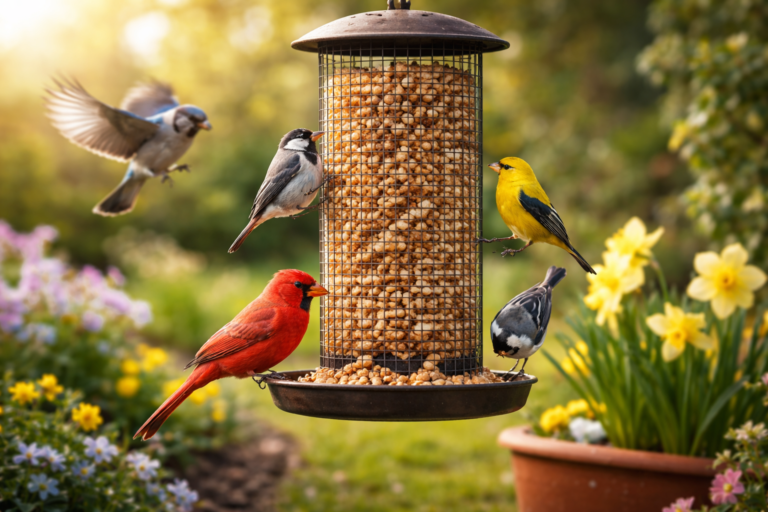
As the last frost thaws and mornings grow lighter, backyard birdwatchers want one thing: busy feeders. Bird lovers swear by this cheap March treat that keeps feeders packed and attracts birds to the garden every single morning — homemade peanut suet cakes (or suet-style seed cakes). They’re inexpensive, high-energy, easy to make, and irresistible to a wide variety of species just when birds need extra fuel.
Why March is the perfect time for suet-style treats
March is a transitional month. Many birds are shifting from winter survival modes toward spring breeding and increased activity. That means they need calories for territory disputes, nest-building, and daily energy — especially in cooler mornings.
A calorie-dense treat like a peanut suet cake supplies quick energy and fat without breaking the bank. It also draws in both resident winter birds and early migrants, giving you the steady morning arrivals you want.
What makes this treat so effective
- High in fat and protein: Birds can quickly convert suet and peanut butter into usable energy.
- Versatile: You can make small cakes, use suet cages, or form seed balls for platform feeders.
- Cheap in bulk: Ingredients like peanut butter, oats, and sunflower seeds are affordable when bought in larger quantities.
- Attracts many species: From chickadees and nuthatches to cardinals and woodpeckers, many birds find these cakes irresistible.
Simple peanut suet cake recipe (cheap and quick)
Materials:
- 1 cup natural, unsalted peanut butter (no sugar added)
- 1/2–1 cup vegetable shortening, lard, or coconut oil (solid at room temp)
- 2 cups plain rolled oats or birdseed mix (black oil sunflower is ideal)
- Optional: 1/2 cup mixed seeds (sunflower hearts, millet, nyjer), a handful of dried fruit, chopped unsalted peanuts
Steps:
- Gently melt the shortening or lard in a saucepan over low heat. Remove from heat.
- Stir in the peanut butter until fully combined and smooth.
- Mix in the oats and seeds until everything is evenly coated.
- Spoon the mixture into molds, small containers, or a suet cage. Press firmly to compact.
- Chill in the fridge or freezer until solid. Store extras in the freezer and put one out at a time.
Tips:
- Use natural, unsalted peanut butter to avoid added salt or sugars.
- Coconut oil melts quickly in warm weather — store cakes in cooler spots or use a metal suet feeder that allows drainage.
- If you prefer not to use animal fat, vegetable shortening works well and is bird-safe.
Where to put the cakes and how to keep them full
- Use a suet cage hung from a branch or shepherd’s hook. This keeps the cake accessible to birds and harder for squirrels to steal.
- Try a platform feeder for ground-feeding species (sparrows, doves).
- Place feeders near cover (shrubs, trees) so birds feel safe approaching early in the morning.
- Refill before dawn if you want them busy first thing — most birds feed heavily at first light.
Who you’ll attract
These cakes are a magnet for many common backyard birds:
- Chickadees and titmice
- Nuthatches
- Downy and hairy woodpeckers
- Cardinals and grosbeaks
- House finches and goldfinches
- Sparrows, jays, and doves (depending on how you present the treat)
Safety and maintenance
- Regularly clean feeders and remove any cakes that become soft, moldy, or rancid.
- Rotate fresh cakes from the freezer to prevent spoilage.
- Avoid salted peanuts or peanut butter with xylitol (toxic to animals).
- Put out small amounts at a time in warmer weather to reduce waste.
Final thought
Bird lovers swear by this cheap March treat that keeps feeders packed and attracts birds to the garden every single morning because it checks every box: low cost, simple to make, widely appealing, and effective right at the start of spring. Try a batch this weekend, and enjoy the daily parade of feathered visitors returning for a reliable morning feast.