
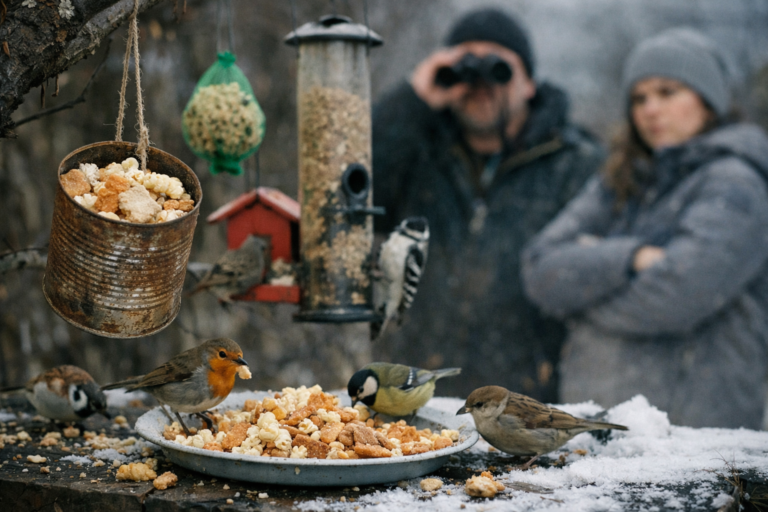
A recent trend has drawn attention from bird lovers and animal welfare advocates alike: inexpensive kits marketed as “February feeders” that promise predictable, daily bird visits by using low-cost treats and bright staging. While the tactic boosts views for backyard livestreams and social media content, critics argue these setups cross a line — turning wild animals into props for human amusement.
What happened
Several videos and posts show people placing cheap seed mixes, bread, or inexpensive suet substitutes on easily accessible platforms. The goal is straightforward: create a reliable attraction that trains local birds to visit at the same time every day. For creators, the payoff is steady footage and growing follower counts. For the birds, the consequences may be less obvious.
Concerns raised by skeptics
Skeptics and wildlife advocates have voiced several worries:
- Health risks: Low-cost treats such as stale bread or processed mixes can lack the nutrients birds need. Poor diets may lead to malnutrition or disease.
- Behavioral changes: Regular, predictable handouts can alter natural foraging behavior, reduce wariness of humans, and increase dependence on artificial food sources.
- Stress and competition: Small feeding platforms can cause crowding, territorial disputes, and stress among species that would normally spread out resources.
- Ethical questions: Deliberately attracting animals to perform or appear on a schedule raises concerns about treating wildlife as entertainment, rather than as living beings with independent needs.
These objections have prompted calls for better practices and more responsible consumption of wildlife content.
Guiding principles for ethical bird feeding
If you want to enjoy birds without harming them, follow these basic principles:
- Prioritize nutrition: Offer species-appropriate foods like black oil sunflower seeds, nyjer, or native fruit when relevant. Avoid processed human foods such as bread.
- Avoid dependence: Feed intermittently, especially in milder seasons, so birds continue natural foraging behaviors.
- Keep feeders clean: Regularly wash feeders to prevent spread of disease. Rotate feeding spots if possible.
- Provide habitat: Plant native shrubs, trees, and perennials to supply shelter and natural food sources year-round.
- Observe, don’t stage: Avoid creating theatrical environments or schedules intended to elicit predictable “performances.”
Alternatives to low-cost, guaranteed-visit tactics
For those who want regular sightings without compromising welfare, consider these options:
- Use a variety of feeders and food types to support different species naturally.
- Install perches and cover nearby so birds can approach safely and retreat if threatened.
- Time observation windows around natural foraging peaks (early morning and late afternoon) rather than trying to force strict schedules.
- Focus on habitat creation: native plantings, water sources, and nesting boxes encourage sustained, healthy wildlife presence.
Responsible content creation and transparency
Creators who share footage of backyard birds can still engage audiences ethically:
- Disclose feeding practices and the types of food used.
- Educate viewers about local species, proper feeding, and habitat needs.
- Avoid sensational captions implying control over wildlife or encouraging imitation of questionable practices.
- Partner with local wildlife rehabilitators or birding groups to ensure content aligns with best practices.
Conclusion
The controversy over cheap February feeders under fire after placing low cost treats to guarantee daily bird visits with skeptics calling it emotional manipulation of wildlife for entertainment highlights a broader tension: the desire to connect with nature versus the responsibility to protect it. By choosing nutritious food, reducing dependence, improving habitat, and sharing transparent, educational content, we can enjoy birds without turning them into props — and help ensure healthy backyard populations for years to come.