
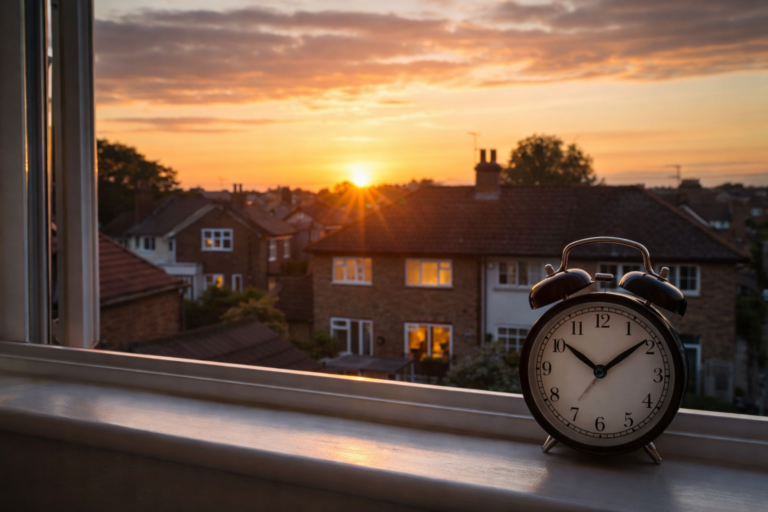
In 2026, the UK clocks will change slightly earlier in the calendar, bringing a noticeable shift in daylight patterns and daily routines. As the country moves from Greenwich Mean Time (GMT) to British Summer Time (BST) on 29 March 2026, clocks will go forward by one hour at 1:00 AM, resulting in longer evenings, later sunsets, and darker mornings.
The change is scheduled for Sunday, 29 March 2026, when clocks move forward by one hour at 1:00 AM, instantly becoming 2:00 AM. This annual adjustment not only affects sleep schedules but also influences energy use, work productivity, and lifestyle habits across the UK.
What Is Changing in 2026?
Earlier Clock Adjustment Explained
The 2026 clocks will change occurs on the last Sunday of March, which falls on 29 March, slightly earlier than in some previous years.
- Clocks move forward by 1 hour
- Time jumps from 1:00 AM to 2:00 AM
- UK shifts from GMT (UTC+0) to BST (UTC+1)
This means people effectively lose one hour of sleep overnight, but gain extended daylight in the evening.
Key Dates and Facts About UK Clock Changes 2026
| Event | Date | Time Change | Impact |
|---|---|---|---|
| Start of BST | 29 March 2026 | +1 hour (1 AM → 2 AM) | Longer evenings |
| End of BST | 25 October 2026 | -1 hour (2 AM → 1 AM) | Brighter mornings |
| Time Zone Shift | GMT → BST | UTC+0 → UTC+1 | Later sunsets |
| Sleep Impact | Immediate | Lose 1 hour | Disrupted routine |
New Sunset Times and Daylight Changes
One of the most noticeable effects of the clock change is the shift in sunset times.
- After the transition, sunset occurs roughly one hour later
- In late March 2026, UK cities will see sunsets between 7:28 PM and 7:54 PM
- By early April, some areas will experience sunsets after 8:00 PM
For example:
- London sunset (end of March): around 7:33 PM
- Late March UK average: nearly 12 hours 58 minutes of daylight
This extended daylight encourages outdoor activity, commuting flexibility, and social engagement in the evenings.
Why the UK Changes Clocks
The concept of Daylight Saving Time (DST) dates back to efforts to conserve energy and make better use of daylight.
Key purposes include:
- Maximizing daylight during waking hours
- Reducing artificial lighting use
- Supporting economic activity in the evening
During BST, the UK effectively shifts daylight from early mornings to evenings, creating a more active and productive late-day environment.
How Daily Routines Are Disrupted
1. Sleep Patterns and Health
The immediate loss of one hour of sleep can disrupt circadian rhythms, leading to:
- Fatigue and reduced alertness
- Temporary sleep disturbances
- Increased stress levels
Many people take several days to adjust to the new schedule.
2. Work and Productivity
The time shift affects:
- Early morning workers (darker mornings)
- Night shift employees (shorter work hours)
- Commuters adjusting to new daylight conditions
Although evenings are brighter, mornings become darker, impacting productivity for some.
3. Energy Consumption and Costs
While DST was originally designed to reduce energy use, modern effects are mixed. However, in 2026, households are being warned about potential smart meter issues:
- Incorrect time updates may cause higher electricity bills
- Off-peak tariffs (like Economy 7) may shift unexpectedly
- Even a one-hour mismatch can increase costs significantly
4. Household Schedules
Families may need to adjust:
- School routines
- Meal timings
- Bedtime schedules for children
These small changes can collectively disrupt daily life, especially in the first week after the transition.
Technology and Automatic Adjustments
Most modern devices automatically update:
- Smartphones
- Computers
- Smartwatches
However, manual updates are still required for:
- Wall clocks
- Car clocks
- Some kitchen appliances
Failing to adjust these can lead to confusion and missed schedules.
Future Outlook: Will Clock Changes Continue?
Despite ongoing debates, the UK continues to observe biannual clock changes.
- No confirmed policy change to abolish DST
- Alignment with European timing remains in place
- Discussions continue regarding health and economic impacts
Future reforms could potentially introduce permanent time systems, but as of 2026, the current system remains unchanged.
Practical Tips to Adapt to the Time Change
To minimize disruption, experts recommend:
- Gradually adjusting sleep schedules before the change
- Increasing morning light exposure
- Avoiding heavy meals late at night
- Resetting clocks and devices early
These steps can help ease the transition into BST.
Conclusion
The UK clock change in 2026 marks more than just a shift in time—it represents a significant adjustment in daily routines, energy habits, and lifestyle patterns. With the clocks moving forward on 29 March 2026, households will experience longer evenings, later sunsets, and temporary disruptions to sleep and schedules.
While the benefits of extended daylight are clear, the short-term challenges—especially around sleep and energy use—remain important considerations. As discussions about the future of daylight saving continue, 2026 serves as another reminder of how a simple one-hour shift can impact millions of lives.