
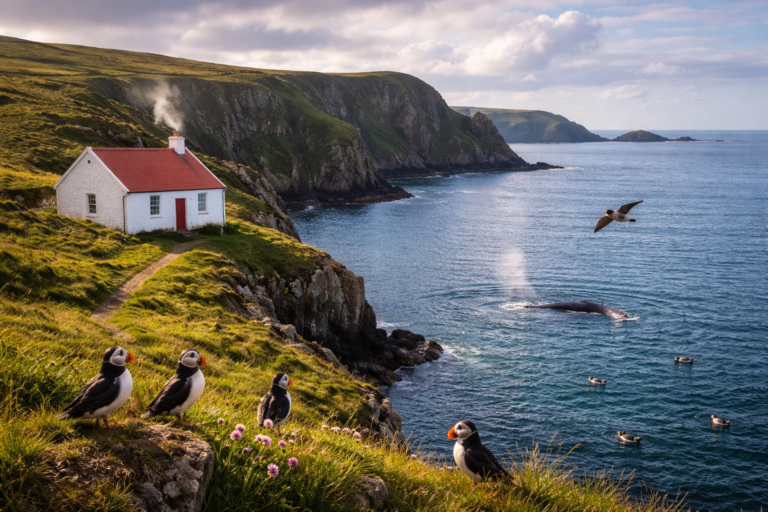
Imagine a short-term escape from the city that pays you to unplug: €5,000 a month and free housing to live six months on a remote Scottish island with puffins and whales. It sounds like a travel writer’s dream, but increasingly there are residencies, conservation posts, and community projects offering generous stipends and accommodation to attract skilled people to fragile island communities. Whether it’s for research, art, or helping sustain local services, opportunities like this deliver a rare blend of solitude, wildlife, and purpose.
What the opportunity typically involves
Programs that offer substantial stipends and housing usually expect something in return. Common formats include:
- Artist or writer residencies focused on producing work inspired by place.
- Conservation roles assisting with bird counts, marine monitoring, or invasive-species control.
- Community development positions helping with tourism, education, or digital connectivity.
- Short-term research posts for universities studying marine life, climate impacts, or island ecology.
Stipends of €5,000 a month tend to cover living expenses and compensate for isolation and limited services. Free housing—often a renovated croft, cottage, or former schoolroom—removes the biggest barrier to settling in for six months.
Daily life: slow rhythms and big skies
Daily life on a remote Scottish island is shaped by weather, tide times, and the long daylight of summer. Days can be wonderfully simple:
- Mornings: a walk to the cliffs to watch puffins ferry fish to their burrows, coffee while scanning the sea for blows.
- Midday: fieldwork, writing, or community events—depending on your role.
- Afternoons: boat outings or long hikes across peat and moor, keeping an eye out for orca and minke whales.
- Evenings: local meals, small concerts, or quiet time under a sky that may reveal cloud-piercing stars and occasional northern lights.
Connectivity varies. Some islands have decent mobile and broadband; others expect slower speeds and more offline time. Embrace the pace: many residents describe the months as among the most productive and restorative of their lives.
Wildlife encounters: puffins, whales and more
One of the most seductive aspects is the wildlife. Puffins are charismatic coastal breeders, returning to sea each day to feed their chicks. Nearby waters attract cetaceans—minke whales, porpoises, and, on lucky days, pods of dolphins or transient orcas.
Expect to:
- Learn local bird and marine mammal identification.
- Follow strict rules around nesting colonies and marine disturbance.
- Keep careful records if you’re engaged in monitoring work.
Respect for wildlife and adherence to local guidelines are non-negotiable. These species are part of fragile ecosystems that benefit directly from responsible human stewardship.
Practical considerations before you go
Before committing to six months away, consider practicalities:
- Travel: ferries can be infrequent and weather-dependent; plan for cancellations and limited supply runs.
- Healthcare: check access to GP services, emergency evacuation plans, and travel insurance covering remote areas.
- Supplies: many islands have small shops; bulk ordering and careful meal planning help.
- Social life: communities are tight-knit. Be prepared to pitch in and respect local customs.
- Finances: confirm what the stipend covers—utilities, travel, groceries—and budget accordingly.
Also verify any visa requirements if you’re coming from outside the UK or EU.
How to prepare and apply
If an opportunity like this appeals, take these steps:
- Research programs: look for university residencies, conservation charities, and island trusts. Examples include national wildlife organizations and local development trusts.
- Tailor your application: highlight relevant skills—fieldwork, remote living experience, community engagement, or artistic practice.
- Gather references: local or professional referees who can vouch for your resilience and reliability are valuable.
- Prepare a practical kit: waterproof clothing, durable boots, a reliable headlamp, and offline entertainment for long evenings.
- Ask questions: clarify expectations, reporting duties, internet access, and emergency procedures before you accept.
Final thoughts
€5,000 a month and free housing to live six months on a remote Scottish island with puffins and whales is more than a headline—it’s an invitation to a different rhythm of life. For those ready to embrace isolation, community, and the wild edge of the Atlantic, it offers a rare chance to work, create, or research in one of Europe’s most dramatic settings. If you’re drawn to sea-swept cliffs, starlit nights, and the patient company of seabirds and whales, start researching island residencies and conservation projects now—you might find an opportunity that changes how you live and work.