
If you’re looking for a natural, delicious way to support heart health, an ancient Eastern spice may deserve a place on your spice rack. Excellent For The Arteries: This Eastern Spice Could Cut Cholesterol In 3 Months — and while the headline sounds bold, there is growing clinical evidence to back up the claim when the spice is used consistently and as part of a healthy lifestyle.
What spice are we talking about?
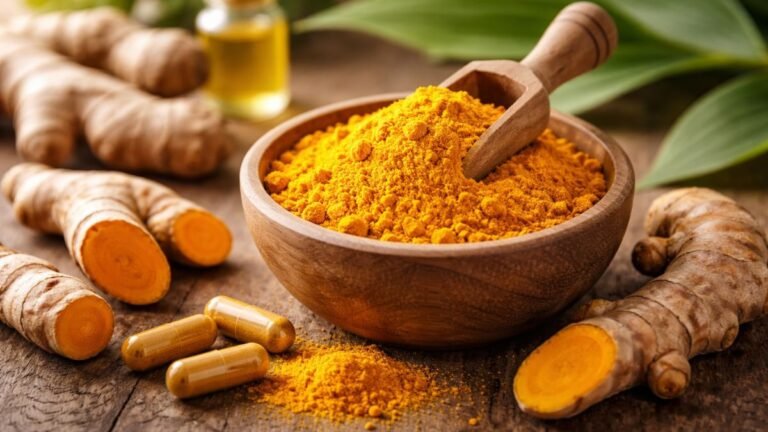
The spice is turmeric, the golden root widely used in South Asian and Middle Eastern cooking. Its active compound, curcumin, has been studied for anti-inflammatory, antioxidant, and lipid-lowering effects. Several clinical trials have reported improvements in cholesterol profiles after around 8–12 weeks of curcumin supplementation.
What the research suggests
Clinical studies typically measure total cholesterol, LDL (bad cholesterol), HDL (good cholesterol), and triglycerides. Findings commonly reported include:
- Reductions in total cholesterol and LDL cholesterol.
- Modest increases in HDL in some participants.
- Lowered triglyceride levels in certain trials.
These changes are not universal, and effect size varies by dose, formulation, and individual factors. Still, the consistency of results across multiple 8–12 week (roughly 2–3 month) studies is what inspires the “could cut cholesterol in 3 months” claim.
How curcumin works for arteries
Curcumin appears to support arterial and cardiovascular health through several mechanisms:
- Reducing systemic inflammation, which contributes to atherosclerosis.
- Acting as an antioxidant to protect blood vessels from oxidative damage.
- Improving lipid metabolism and possibly influencing cholesterol-processing pathways.
- Enhancing endothelial function, which helps arteries dilate and maintain healthy blood flow.
Together, these actions can translate into measurable improvements in blood lipid profiles and arterial function when used consistently.
Best ways to use turmeric/curcumin
Not all turmeric is created equal. Culinary turmeric contains curcumin in low concentrations, so many studies use concentrated curcumin extracts. Practical approaches include:
- Cooking with turmeric regularly — add it to curries, soups, roasted vegetables, and smoothies.
- Using a high-quality curcumin supplement, especially if aiming for therapeutic effects.
- Choosing formulations with piperine (black pepper extract) or specialized delivery systems to improve absorption.
Typical therapeutic doses used in research range from 500 mg to 2,000 mg of curcumin per day, often divided into two doses. Talk with a healthcare provider to find an appropriate dose for you.
Safety and interactions
Turmeric and curcumin are generally well tolerated, but they’re not risk-free:
- High doses can cause gastrointestinal upset (nausea, diarrhea).
- Curcumin may interfere with blood-thinning medications (e.g., warfarin) and increase bleeding risk.
- People with gallstones or bile duct obstruction should be cautious, as turmeric can stimulate bile flow.
- Pregnant or breastfeeding people should consult their provider before taking supplements.
Always tell your physician about any herbal supplements you plan to take, especially if you’re on prescription medications.
How to incorporate turmeric into a heart-healthy routine
Using turmeric alone isn’t a magic bullet. For best results over three months and beyond, pair it with proven lifestyle measures:
- Follow a heart-healthy diet rich in vegetables, whole grains, lean protein, and healthy fats.
- Maintain a regular physical activity routine.
- Avoid tobacco and limit alcohol intake.
- Manage weight, blood pressure, and blood sugar through lifestyle and medical care.
- Monitor cholesterol levels with your healthcare provider to track progress.
Final takeaways
Turmeric — and particularly its active compound curcumin — shows promising evidence for improving cholesterol and supporting arterial health within a few months when used consistently. While some studies suggest measurable benefits in about 8–12 weeks, results vary and supplements should be used thoughtfully and under medical guidance. Incorporate turmeric into a broader heart-healthy plan, and consult your healthcare provider before starting any new supplement regimen.