
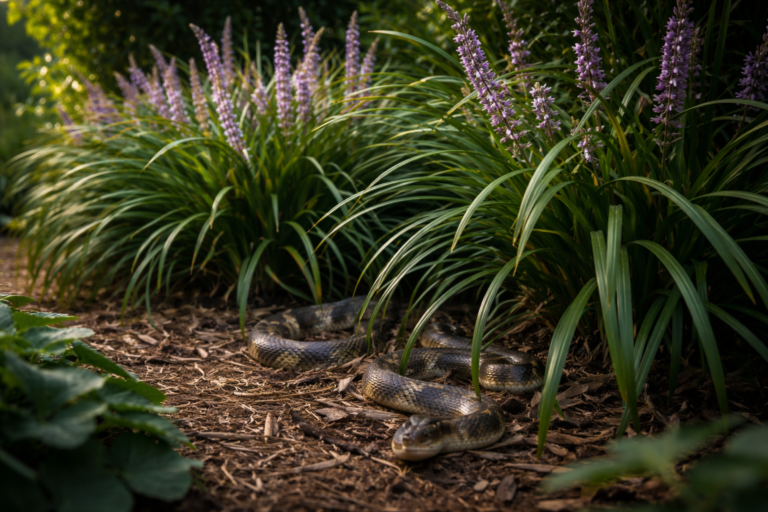
If you want a snake-free summer yard, experts warn to think twice before planting dense, invasive bamboo. While bamboo is praised for privacy screens and tropical looks, many wildlife and pest-control experts agree it creates the exact conditions snakes seek: thick cover, rodent prey, and cool, humid refuges. Planting running bamboo can unintentionally turn a tidy garden into a summertime habitat for snakes.
Why bamboo is a magnet for snakes
Bamboo’s growth habit and structure make it an ideal hiding place for snakes:
- Dense thickets provide concealed, shaded shelter where snakes can escape heat and predators.
- Thick leaf litter and rhizome networks create tunnels and crevices ideal for hiding and nesting.
- Bamboo stands often attract rodents and other small animals that are primary snake prey.
- Moist, shaded microclimates beneath the canopy stay cooler in summer and warmer in winter, extending suitable conditions for reptiles.
Put simply: bamboo offers cover, food and comfortable microclimates — the three things snakes look for when choosing a summer home.
How bamboo can turn your yard into a summer snake habitat
Snakes are ectothermic (cold-blooded), so they regulate body temperature using their environment. In summer, they search for spots that are warm for basking but cool and humid for resting. A mature bamboo grove provides both.
During hot days, snakes will shelter in the shady base of bamboo clumps or within the root system where soil stays cooler. At night or during cooler spells, they may use the open areas between stands to hunt rodents. If you’ve noticed an uptick in rodent activity after planting bamboo, that also raises the chance of more snakes visiting your yard.
What to do if you already have bamboo
If bamboo is already established, take steps to reduce its appeal to snakes without resorting to harmful measures:
- Contain or remove it: Running bamboos spread via rhizomes. Installing a deep rhizome barrier or removing the clump entirely reduces cover and prevents spread.
- Clear leaf litter and dense undergrowth regularly to eliminate ground-level hiding spots.
- Thin the stand: Open up the canopy and cut back dense clumps to increase sunlight and air flow, making the area less hospitable to snakes.
- Reduce rodent attractants: Secure garbage, remove bird feeders that drop seed, and store wood and compost away from the house.
- Level and fill holes: Remove rock piles, wood stacks, and other debris where snakes and their prey hide.
- If removal is large or difficult, hire a landscaper experienced with bamboo or an invasive-plant removal service.
Avoid spraying poison intended for snakes. Not only is that inhumane and illegal in many places, but it’s also dangerous for pets, wildlife and children.
Snake-safe landscaping alternatives
If you like the look of tall screens or ornamental grasses but want to avoid creating snake habitat, consider these alternatives:
- Native shrubby hedges: Many native shrubs create visual privacy without the dense ground cover snakes prefer. They also support beneficial insects and birds.
- Clumping ornamental grasses: Choose bunching varieties (not running types) that don’t create dense rhizome networks.
- Low-maintenance groundcovers: Use short, sun-loving groundcovers that leave the ground visible and dry, such as creeping thyme or sedum.
- Mulched beds with open edges: Keep mulched planting beds neat and edged so there are fewer hidden spaces at ground level.
- Rock and gravel borders: A strip of coarse gravel or crushed stone around the perimeter of your yard discourages snakes from crossing into lawn and close to structures.
Design choices that increase sunlight and reduce dense, humid pockets will make your property less attractive to snakes.
When to call a professional
Contact a licensed wildlife removal service or your local extension office if you:
- Spot venomous snakes or multiple snakes frequently.
- Have large, well-established bamboo stands that are difficult to remove.
- Need help identifying the species or assessing the risk to family and pets.
Professionals can safely remove snakes and recommend landscaping changes that address root causes without harming wildlife.
Final thoughts
Bamboo can give your garden a lush, private feel — but it can also create the shaded, rodent-friendly environment snakes love. If you want to avoid turning your yard into a summer habitat for snakes, reconsider running bamboo and choose planting strategies that keep the ground visible, dry and free of dense cover. Simple design changes and regular maintenance go a long way toward a safer, snake-resistant landscape.