
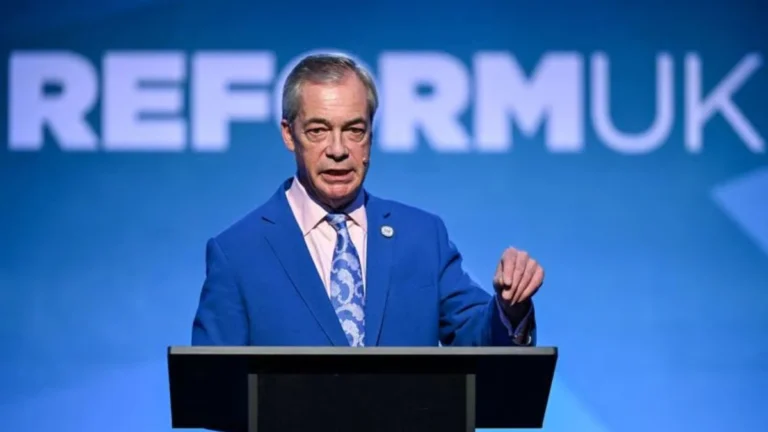
In Newport, Wales, Nigel Farage has signaled a bold political shift, declaring that the traditional political order is fading and a new era is emerging. As leader of Reform UK, Farage and his allies believe that the same populist momentum that powered the Brexit campaign could propel the party toward power in the next general election, expected by 2029.
Farage argues that global and domestic political dynamics are changing rapidly, creating an opportunity for his party to redefine Britain’s future direction.
Reform UK’s Core Policy Agenda
Reform UK is developing a wide-ranging policy platform aimed at overturning what Farage describes as a failing liberal establishment. Key proposals include:
- Implementing large-scale deportations of illegal migrants
- Withdrawing from certain international human rights agreements
- Reducing overseas aid spending
- Eliminating diversity and inclusion initiatives
- Scrapping net-zero climate targets
- Expanding domestic oil and gas production
- Cutting down the size of the civil service
- Positioning the UK as a global cryptocurrency hub
Farage frames these policies around “simple values” such as family, community, and national identity.
Rising Popularity And Electoral Ambitions
Reform UK has seen a surge in public support, currently polling ahead of Prime Minister Keir Starmer’s Labour Party. This momentum has strengthened Farage’s belief that Reform could realistically form a government in the coming years.
Farage also noted a shift in international perception, describing a more positive reception at global forums such as Davos compared to previous years.
A Divisive Yet Influential Leader
Nigel Farage remains one of the most polarizing figures in British politics. His supporters view him as a champion of the people, while critics accuse him of promoting divisive rhetoric.
Political analysts suggest that Farage’s strong personal appeal is both an asset and a liability:
- He inspires strong loyalty among supporters
- He faces distrust and opposition from a broad segment of voters
This dual perception could play a decisive role in the party’s future success.
Challenges Facing Reform UK
Limited Experience And Controversies
Despite rising popularity, Reform UK faces significant hurdles:
- The party currently holds only eight seats in the 650-member Parliament
- It lacks extensive experience in governing
- Past controversies, including allegations of racism and misconduct among members, have raised concerns
Additionally, critics argue that Reform’s policy proposals lack detailed implementation plans.
Global Influences And Political Alignment
Comparisons With International Leaders
Farage has aligned himself with prominent global figures such as:
- Donald Trump
- Viktor Orbán
- Javier Milei
He describes these leaders as agents of major political transformation. However, Farage rejects claims that Reform UK is simply copying the policies of the U.S. MAGA movement.
Advisers And Strategic Vision
A Movement Driven By Instinct And Messaging
Reform UK’s advisers often describe their mission in terms of a broader global shift away from established elites and traditional political norms.
James Orr, the party’s head of policy, highlighted Farage’s ability to connect with voters, emphasizing that his leadership is driven more by instinct than rigid ideology.
This approach reflects a broader strategy focused on emotional appeal and public engagement rather than detailed theoretical frameworks.
Funding And International Connections
Building Financial And Political Support
Reform UK has actively sought financial backing and international connections, particularly in the United States:
- The party raised approximately £18 million in 2025
- Around two-thirds of donations came from overseas contributors
- Efforts include networking events and outreach to British expatriates and business leaders abroad
Supporters argue that these international relationships could strengthen Britain’s global standing if Reform comes to power.
Debate Over Britain’s Future Direction
Criticism From Opponents
Both Labour and Conservative leaders have criticized Reform UK, arguing that the party lacks a coherent long-term vision.
Opponents claim that:
- Policies are inconsistent or underdeveloped
- The party focuses more on rhetoric than practical solutions
However, Reform supporters counter that traditional parties are out of touch with public sentiment.
Conclusion
Nigel Farage’s Reform UK is positioning itself as a disruptive force aiming to reshape Britain’s political and economic landscape. With a platform centered on national identity, economic reform, and institutional change, the party is gaining traction among voters seeking alternatives to established political structures.
However, significant challenges remain, including limited governing experience, internal controversies, and skepticism from critics. As the next general election approaches, the success of Reform UK will depend on its ability to translate populist momentum into credible policy and broad public support.
FAQs
What Is Reform UK’s Main Goal?
Reform UK aims to replace the current political system with policies focused on national sovereignty, economic reform, and reduced government intervention.
Why Is Nigel Farage Considered Controversial?
He is a highly polarizing figure, admired by supporters but criticized for divisive rhetoric and policy positions.
Can Reform UK Win The Next Election?
While gaining popularity, the party faces challenges such as limited parliamentary presence and questions about policy readiness.