
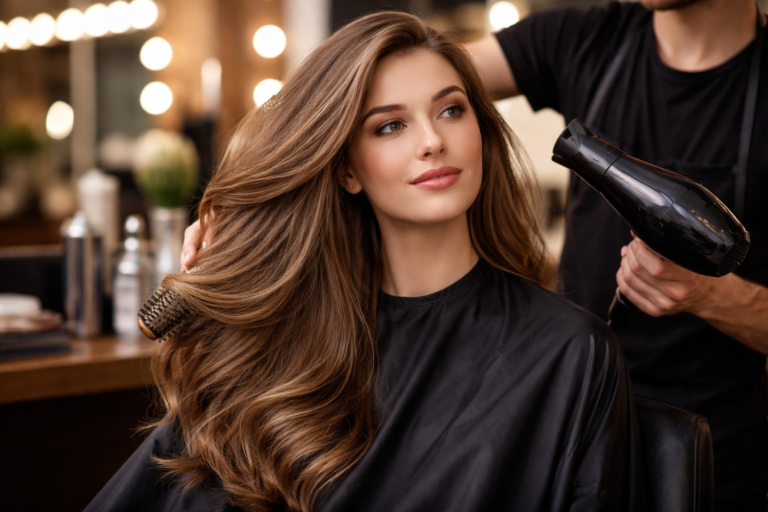
Fluffy hair can be charming, but when it turns into unwanted poof and frizz it becomes hard to manage. As a hairdresser, I’ve helped clients tame their manes by focusing on cuticle health, moisture balance, and the right daily habits. Below are practical tips to avoid poofy hair and frizz so you can keep your hair smooth, defined, and healthy.
Why hair gets fluffy and poofy
Hair becomes fluffy when the cuticle layer is raised or when strands absorb excess moisture from the air. Common causes include:
- Dry or damaged cuticles from heat, chemicals, or rough handling.
- High humidity that makes hair swell.
- Over-washing or using harsh shampoos that strip natural oils.
- Incorrect drying and brushing techniques that rough up the hair surface.
Understanding the cause for your hair type (fine, thick, curly, or chemically treated) helps you pick the right routine.
Washing and conditioning: foundations for smooth hair
Choose a gentle, sulfate-free shampoo to avoid stripping natural oils that smooth the cuticle. Don’t over-wash—most people do well with 2–3 times per week depending on scalp oiliness and activity level.
Conditioner is essential. Focus conditioner on mid-lengths and ends, where hair is driest. For heavy or thick hair, choose a richer conditioner; for fine hair, use a lightweight formula so you don’t weigh strands down.
Weekly treatments:
- Use a deep conditioning mask once a week if your hair feels dry or rough.
- Clarify monthly (or every other month) to remove buildup from styling products that can make hair look coarse and fluffy.
Towel-drying and detangling: reduce friction
Avoid rough, vigorous rubbing with a towel. Instead:
- Pat excess water with a microfiber towel or a soft cotton T-shirt.
- Detangle with a wide-tooth comb or a detangling brush while conditioner is still in, starting at the ends and working up.
This reduces breakage and prevents the cuticle from being roughed up—one of the main causes of frizz and poof.
Styling and heat: protect the cuticle
Heat styling can smooth hair when done correctly, but it must be balanced with protection:
- Always apply a heat protectant spray or cream before using hot tools.
- Use the lowest effective heat setting and a quality tool with temperature control.
- If blow-drying, use a nozzle and a low-to-medium heat setting. Direct airflow downward to help the cuticle lie flat.
- Finish with a cool shot to seal the cuticle and lock in shine.
For curly or textured hair, a diffuser on low heat and low airflow helps define curls without creating blanket volume.
Right products for fluffy hair
Look for products that smooth and seal:
- Leave-in conditioners or creams to nourish and reduce flyaways.
- Lightweight hair oils (argan, jojoba) used sparingly—apply to ends and mid-lengths, not the roots.
- Anti-humidity serums or sprays that create a barrier against moisture.
- Avoid alcohol-heavy sprays and mousses which dry hair and provoke frizz.
Less is often more: start with a pea-sized amount of oil or serum and add if needed.
Haircuts and maintenance
Your cut impacts how prone your hair is to poof. Strategies include:
- Ask your stylist for long layers to remove bulk without creating a frizzy halo.
- Regular trims (every 8–12 weeks) prevent split ends that make hair look untidy.
- For very thick hair, a professional thinning or texturizing can reduce bulk while maintaining shape.
Night care and humidity tips
Protect hair at night to preserve smoothness:
- Sleep on a silk or satin pillowcase to reduce friction and breakage.
- For long or curly hair, loosely braid or use the pineapple method for curls. For straighter hair, a loose silk scarf or bonnet helps.
When humidity spikes:
- Use a light anti-humidity spray as a shield.
- Avoid touching your hair constantly—hands transfer oils and create static.
Quick checklist for beating fluffy hair
- Use sulfate-free shampoo and a good conditioner.
- Pat dry with a microfiber towel or T-shirt.
- Detangle gently with a wide-tooth comb.
- Use leave-in conditioner and a small amount of oil or serum.
- Protect from heat and finish with a cool blast.
- Sleep on silk and maintain regular trims.
Fluffy hair doesn’t have to mean out-of-control hair. With a few routine changes and the right products, you can reduce poof and frizz while keeping your hair healthy and touchable. Start with these tips and tweak them to suit your hair type—consistency is the key.