
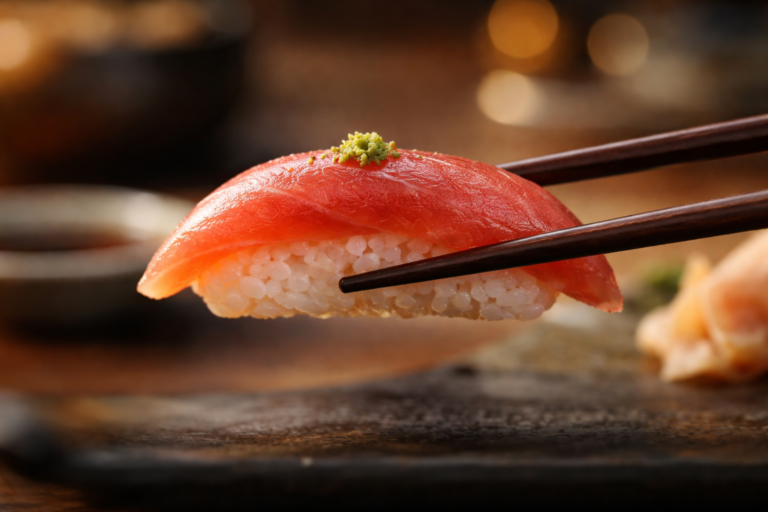
There are meals that shout for attention and meals that whisper. This particular dish — a simple bowl I first tried on a rainy afternoon — belongs to the latter. I learned that this dish tastes best when eaten slowly, not because it’s complicated, but because its layers reveal themselves only if you give them time.
Sitting at the table, I remember how the steam lifted, carrying a warm, subtle aroma of herbs and something caramelized. The first bite was pleasant. The second bite changed everything. A background note of roasted onion I hadn’t noticed became a lead singer; a hint of citrus that seemed absent at first brightened the end of each mouthful. By the fifth bite I was listening to the dish rather than rushing through it.
Why slowing down matters
When you eat fast, your senses are still catching up. Taste buds, smell, texture, and memory all work together to create flavor. Slowing down gives these systems time to interact. You’ll notice:
- Aromas that mingle and shift as the dish cools
- Textures that contrast in ways you missed at first
- Flavor notes (sweet, bitter, umami) that emerge in sequence
There’s also a psychological component. Eating slowly invites presence. It turns a mechanical act into a small ritual. You become more aware not only of what you’re eating but of how and why it pleases you.
A small guide: how to eat this dish slowly and well
If you want to discover the full character of any meal — and especially this one — try these simple practices:
- Set the scene. Clear distractions. Put your phone face down or in another room, dim bright lights, and focus on the plate.
- Take a breath. Before the first bite, inhale the aroma. Let your body register what’s coming.
- Use smaller bites. Put less on your fork. Smaller portions allow flavors to unfold on the tongue.
- Chew deliberately. Aim for 20–30 chews per forkful, noticing texture changes.
- Pause between bites. Sip water or tea. Let flavors settle so you can detect what’s new with each mouthful.
- Mindful curiosity. Ask yourself simple questions: Is it sweeter now? Has the spice returned? Which ingredient is doing the work?
These steps aren’t rules so much as invitations. You can be playful with them. The goal is curiosity, not perfection.
The surprising benefits
Beyond the joy of discovering hidden flavors, eating slowly offers tangible benefits:
- Better digestion: Thorough chewing makes digestion easier and reduces bloating.
- Increased satiety: Slow eating gives your brain time to register fullness, which can prevent overeating.
- More enjoyment: Meals become memorable rather than rushed fuel stops.
- Connection: Eating slowly invites conversation and presence when shared with others.
For me, the ritual transformed a simple bowl into an event. It made an ordinary afternoon meaningful.
A story about timing
I remember one evening visiting a friend who had learned a similar lesson. We made the same dish together: a layered medley of caramelized vegetables, a tangy dressing, and a scatter of toasted seeds. We didn’t rush. We ate in silence for a few bites, then began to compare notes. She loved the way the dressing softened the seeds; I noticed how the caramelized edge of one vegetable changed the dish’s tone. We laughed at how often good food goes unnoticed when we’re busy.
That dish didn’t become better because of an extra ingredient or a fancier technique. It became better because we allowed it to be tasted fully.
Takeaway
If you’re looking for a small experiment that could change how you eat, try making this dish — or any dish — an occasion to slow down. I learned that this dish tastes best when eaten slowly, and that discovery has made meals more pleasurable ever since. You don’t need a special plate or a complex recipe; you just need the willingness to pay attention. Slow down, savor each bite, and let the flavors tell their story.