
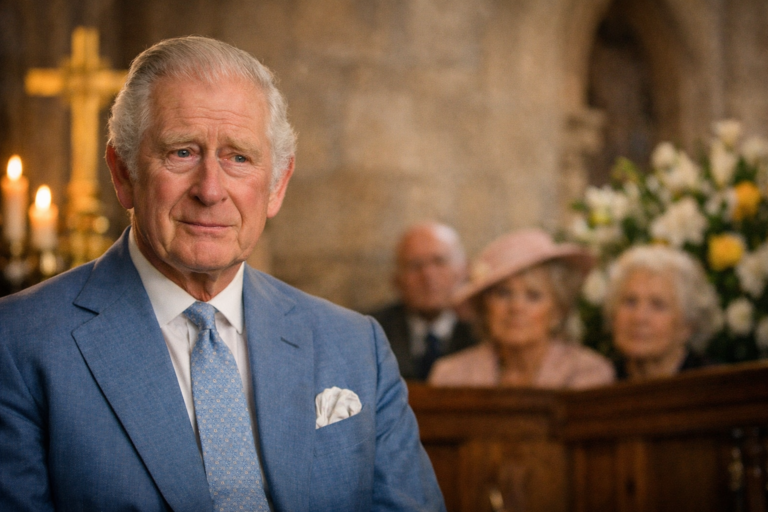
In 2026, King Charles III’s Easter message captured global attention—not just for its spiritual depth, but for its deeply personal tone. Delivered during a period marked by health challenges and institutional pressures, the message reflected a monarch embracing vulnerability while reinforcing values of faith, hope, and love. At the same time, it reignited debate about the resilience of the British monarchy in a rapidly changing world.
Key Facts At A Glance
| Aspect | Details |
|---|---|
| Monarch | King Charles III |
| Occasion | Easter Message 2026 |
| Tone | Emotional, reflective, personal |
| Core Themes | Faith, hope, love, compassion |
| Context | Ongoing cancer treatment, royal health concerns |
| Key Concern | Future resilience of monarchy |
| Public Reaction | Sympathy mixed with institutional scrutiny |
A Deeply Personal And Emotional Address
King Charles III’s 2026 Easter message marked a noticeable shift from traditional royal communication. Historically, the monarchy adhered to a reserved approach, often summarized as “never complain, never explain.” However, this year’s address broke that pattern.
The King spoke with visible emotion and introspection, emphasizing the importance of compassion, unity, and human connection. His words echoed enduring Christian values, highlighting that the world still needs “faith, hope and love”, with love as the greatest virtue.
This message carried added weight due to his ongoing battle with cancer, which has influenced both his public role and personal outlook. The tone suggested a monarch increasingly aware of mortality and legacy, making his appeal for kindness and solidarity more poignant.
Themes Of Humanity, Suffering, And Hope
A central theme of the Easter message was the duality of human nature. King Charles reflected on how humanity is capable of both great cruelty and great kindness, a concept he has emphasized in previous Easter addresses.
He referenced global suffering, humanitarian crises, and acts of bravery, reinforcing the idea that even in times of darkness, hope persists. This aligns with his long-standing advocacy for interfaith dialogue and humanitarian work, positioning him as a moral voice beyond traditional royal duties.
The King’s emphasis on universal values—shared across religions and cultures—demonstrates a modern, inclusive approach to monarchy.
A Shift Toward A More Relatable Monarch
One of the most significant takeaways from the 2026 message is the emergence of a “softer monarch.” Unlike the distant image often associated with royalty, King Charles presented himself as a human figure navigating personal and public challenges.
This transformation includes:
- A more open emotional expression
- Increased focus on shared human experiences
- Greater emphasis on community and empathy
Such a shift reflects a broader evolution in royal communication strategy, aiming to maintain relevance in the 21st century.
Health Challenges And Their Impact On Leadership
The King’s ongoing cancer treatment has played a crucial role in shaping public perception. While he continues to fulfill constitutional duties, his health has limited public engagements and increased reliance on other senior royals.
Recent events have highlighted this dynamic:
- Reduced public appearances
- Delegation of responsibilities to senior family members
- Heightened public concern about continuity
These factors contribute to growing discussions about the monarchy’s long-term stability and adaptability.
Questions About The Monarchy’s Resilience
While the Easter message was widely praised for its warmth and sincerity, it also triggered renewed scrutiny of the institution itself.
Key Concerns Include:
- A “slimmed-down monarchy” with fewer working royals
- Simultaneous health challenges among senior members
- Rising public expectations for transparency and relevance
Observers are questioning whether the monarchy can sustain its influence amid these pressures. The emotional tone of the King’s message, while humanizing, also underscores the fragility of the institution during a transitional period.
Public And Global Reaction
The response to the message has been mixed but largely empathetic:
- Many praised the King’s authenticity and courage
- Others viewed it as a sign of institutional vulnerability
- Royal watchers highlighted its role in reshaping the monarchy’s image
Globally, the message reinforced King Charles’s position as a moral and spiritual leader, particularly through his emphasis on unity across cultures and faiths.
Future Outlook For The British Monarchy
Looking ahead, the monarchy faces a critical period of transformation. King Charles III’s approach suggests a shift toward:
- Greater emotional transparency
- Modernized communication strategies
- Stronger focus on social and humanitarian issues
However, challenges remain:
- Maintaining public trust
- Ensuring continuity of leadership
- Balancing tradition with modernization
The Easter message may be remembered as a turning point, signaling both renewal and uncertainty.
Conclusion
King Charles III’s emotional Easter message in 2026 offered a rare glimpse into the personal side of monarchy. By embracing vulnerability and emphasizing universal values, he has redefined what it means to lead in a modern royal context.
Yet, this softer approach also highlights deeper questions about the monarchy’s resilience. As the institution navigates health challenges, evolving expectations, and structural changes, its future will depend on its ability to adapt while preserving its core identity.