
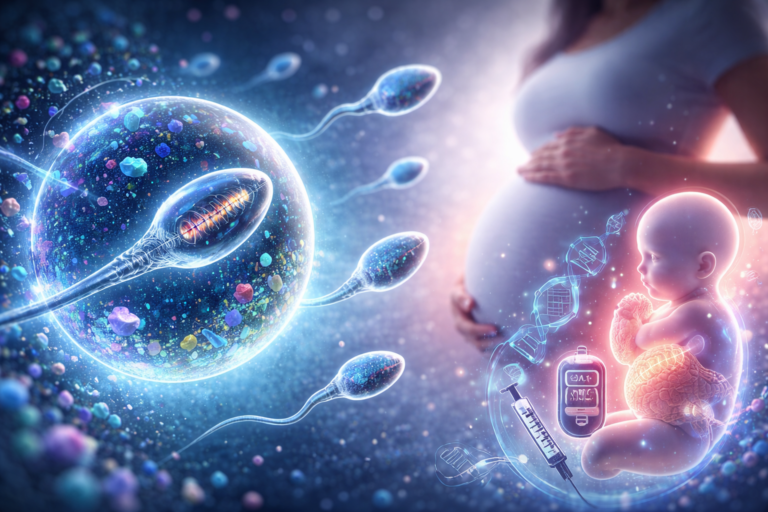
Microplastics—tiny plastic particles less than 5 mm in size—have now infiltrated air, water, food, and even the human body. Recent scientific breakthroughs suggest a disturbing possibility: microplastics can alter sperm at a molecular level, potentially passing metabolic diseases like diabetes to the next generation.
Emerging research shows that this is not just an environmental issue but a multi-generational health crisis. Scientists are now focusing on how paternal exposure to microplastics may “rewire” sperm and influence offspring health.
What Are Microplastics And Why Are They Dangerous?
Microplastics originate from degraded plastic waste, synthetic fibers, and industrial processes. These particles often carry toxic chemicals, including endocrine disruptors.
Key Health Concerns:
- Hormonal disruption
- Oxidative stress
- Inflammation
- Cellular damage
Studies confirm that microplastics have been found in human blood, placenta, and even semen samples, highlighting widespread exposure.
Microplastics In Human Reproductive Systems
Recent research has detected microplastics in more than half of human semen samples, raising serious concerns about male fertility.
Effects On Male Reproduction:
- Reduced sperm quality and motility
- Hormonal imbalances affecting testosterone
- Damage to sperm-producing tissues via inflammation and oxidative stress
These findings suggest that microplastics are not just present—they are biologically active and harmful.
How Microplastics Rewire Sperm At The Molecular Level
The most groundbreaking discovery is that microplastics can alter small non-coding RNAs in sperm, which regulate gene expression.
What This Means:
- Sperm carries more than DNA—it carries epigenetic instructions
- Microplastics can modify these instructions
- These changes can influence how genes behave in offspring
Scientists found that paternal exposure to microplastics changes the molecular “cargo” of sperm, effectively “rewiring” it.
This process is known as epigenetic modification, where environmental factors alter gene activity without changing DNA itself.
Link Between Microplastics And Diabetes In Offspring
One of the most alarming findings comes from recent animal studies.
Key Findings:
- Offspring of exposed fathers showed insulin resistance, a precursor to diabetes
- Effects were stronger in female offspring
- Changes occurred even without direct exposure to microplastics
In one study, female offspring developed impaired insulin tolerance, indicating a higher risk of metabolic diseases.
Another study confirmed that paternal microplastic exposure can induce metabolic disorders in offspring, including diabetes-related conditions.
Scientific Data Overview
| Factor | Findings |
|---|---|
| Presence in Body | Found in blood, placenta, semen |
| Sperm Impact | Reduced quality, altered RNA |
| Mechanism | Epigenetic changes via small RNAs |
| Offspring Effects | Insulin resistance, metabolic dysfunction |
| Gender Impact | Stronger effects in female offspring |
| Long-Term Risk | Increased diabetes susceptibility |
The Role Of Epigenetics And Intergenerational Effects
Traditionally, genetics was seen as the primary factor in inheritance. However, this research highlights the role of epigenetics.
Important Insights:
- Environmental toxins can alter gene expression
- These changes can be passed to future generations
- Microplastics may influence disease risk without direct exposure
This aligns with the Developmental Origins of Health and Disease (DOHaD) concept, where early-life influences shape long-term health.
Why This Research Matters For The Future
The implications are profound:
- Health Risks Extend Beyond Individuals
Exposure today may affect children tomorrow. - Rising Global Diabetes Rates
Environmental factors like microplastics may be contributing. - Widespread Exposure Is Unavoidable
Microplastics are present in food, water, and air. - Male Health Is Underestimated
Paternal exposure plays a critical role in offspring health.
Can Humans Be Affected The Same Way?
While most current studies are conducted on animals, the biological mechanisms are highly relevant to humans.
Supporting Evidence:
- Microplastics detected in human reproductive fluids
- Evidence of sperm damage and reduced fertility
- Established role of sperm RNA in gene regulation
Scientists believe similar intergenerational effects are possible in humans, though more research is needed.
How To Reduce Microplastic Exposure
While complete avoidance is difficult, individuals can reduce risk:
- Use glass or stainless steel containers instead of plastic
- Avoid heating food in plastic
- Filter drinking water
- Reduce consumption of processed and packaged foods
- Limit synthetic clothing exposure
Conclusion
The discovery that microplastics can rewire sperm and potentially trigger diabetes in the next generation marks a turning point in environmental health research. It reveals that plastic pollution is not just a visible problem—it is a biological and genetic threat.
As science advances, it becomes increasingly clear that today’s environmental exposures may shape tomorrow’s health outcomes. Addressing microplastic pollution is no longer optional—it is essential for safeguarding future generations.