
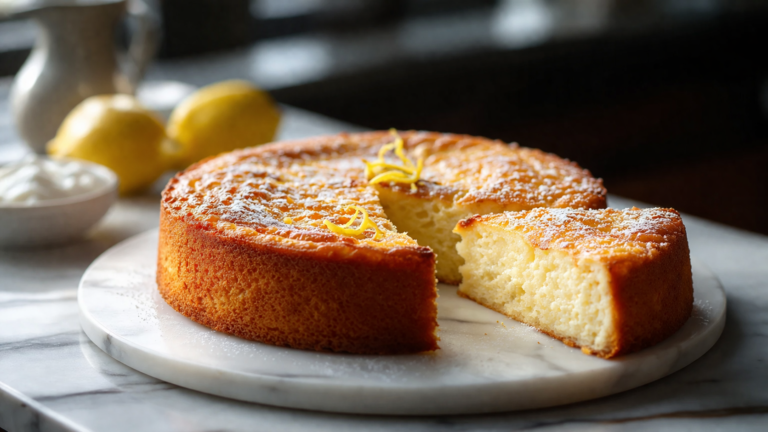
The classic yogurt cake—simple, reliable, and beloved—is getting a gentle makeover. In this reinvention, a famous French chef keeps the comforting heart of the recipe but introduces small technical tweaks that transform texture and depth of flavor. The result is a loaf that is irresistibly moist and tender, with a fine crumb and just the right tang.
Why this reinvention works
Small changes make a big difference. Instead of relying solely on convenience measures, the chef focuses on technique: separating eggs, folding with care, and using yogurt both for acidity and moisture. A touch of browned butter, a hint of citrus zest, and a final sprinkle of coarse sugar or fleur de sel bring the cake from homey to sublime.
These adjustments highlight what yogurt cake does best—lightness and moistness—while adding a gourmet edge that’s still easy to reproduce at home.
Ingredients (serves 8)
- 1 cup (245 g) plain whole-milk yogurt
- 3 large eggs, separated
- 1 cup (200 g) granulated sugar
- 1/2 cup (115 g) unsalted butter, browned and cooled slightly (or neutral oil for a lighter flavor)
- 1 1/2 cups (190 g) all-purpose flour, sifted
- 2 tsp baking powder
- 1/4 tsp fine sea salt
- 1 tsp vanilla extract
- Zest of 1 lemon (optional)
- 2 tbsp coarse sugar or a light dusting of powdered sugar for finishing
Method
- Preheat the oven to 350°F (175°C). Butter and flour a 9×5-inch loaf pan, or line it with parchment paper for easy removal.
- Brown the butter in a small saucepan over medium heat until it smells nutty and takes on a light amber color. Remove from heat and let cool to warm.
- In a bowl, whisk together the yogurt, egg yolks, vanilla, and lemon zest until smooth. Stir in the browned butter.
- In a separate bowl, combine the flour, baking powder, and salt. Gently fold the dry ingredients into the yogurt mixture until just combined—do not overmix.
- In a clean mixing bowl, beat the egg whites to soft peaks. Gradually add the sugar and continue beating to glossy medium-stiff peaks.
- Fold a quarter of the whipped egg whites into the batter to loosen it, then fold in the remaining whites gently but thoroughly, preserving as much air as possible.
- Pour the batter into the prepared pan and smooth the top. Sprinkle with coarse sugar if using.
- Bake for 40–50 minutes, until the top is golden and a skewer inserted into the center comes out mostly clean with a few moist crumbs. If the cake browns too quickly, tent loosely with foil.
- Cool in the pan for 10–15 minutes, then transfer to a wire rack to cool completely before slicing.
Tips for a moist and tender crumb
- Use whole-milk yogurt. The higher fat content improves mouthfeel and richness.
- Browned butter adds a toasty complexity but can be swapped for oil if you prefer a softer, more neutral crumb.
- Folding in whipped egg whites is the chef’s secret: it introduces air and yields a lighter, more tender texture than simply beating all the eggs with sugar.
- Don’t overmix after adding flour. Gluten development will toughen the cake.
- Use room-temperature eggs and yogurt so ingredients emulsify smoothly.
Variations and serving ideas
- Citrus and almond: Replace lemon zest with orange zest and add 1/2 cup almond flour for an extra-fragrant cake.
- Berry swirl: Fold 3/4 cup macerated berries into the batter at the end for bursts of fruit.
- Honey glaze: Drizzle a simple honey-lemon syrup over the warm loaf for shine and extra moisture.
- Tea time: Serve slices with a smear of softened butter or plain whipped cream and a cup of Earl Grey.
Final thoughts
This version honors the humble yogurt cake while elevating its texture and flavor through purposeful technique. The famous French chef’s small, thoughtful changes—whipping whites, browning butter, and respecting gentle folding—transform a simple pantry cake into something delicate, moist, and remarkably tender. It’s approachable enough for weeknight baking and elegant enough for guests: the perfect everyday cake, reinvented.