
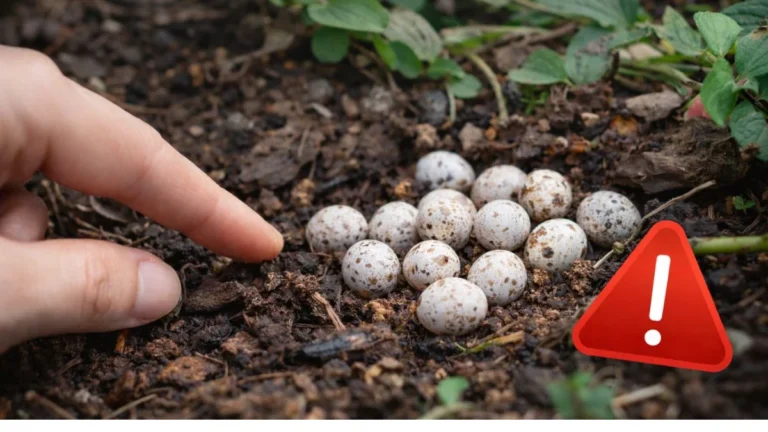
Finding unusual objects in your garden can be exciting — curiosity often wins. But if those objects look like small pebbles or beads and could be eggs, take a step back. If you see pebble-like eggs in your garden, don’t touch them: they could belong to a protected species, and disturbing them can harm wildlife and, in some places, break the law.
Why you shouldn’t touch pebble-like eggs
Many animals have specific, delicate requirements for incubation and hatching. Moving eggs disrupts temperature, humidity, orientation, and microbial communities that embryos need. Even well-intentioned attempts to “help” can lower hatch rates or kill embryos.
Beyond welfare concerns, some species are legally protected. In parts of the world, touching, moving, or destroying eggs of protected reptiles, birds, amphibians, and invertebrates can result in penalties. When in doubt, assume a cautious, hands-off approach.
What those pebble-like eggs might be
Without handling, it’s not always possible to identify eggs, but some common possibilities include:
- Reptile eggs: Some lizards and small snakes lay leathery or bead-like eggs that can appear pebble-like when buried in loose soil or leaf litter.
- Invertebrate egg clusters: Certain beetles, wasps, or other insects deposit jewel-like egg clusters that can look like tiny pebbles.
- Amphibian or fish eggs: Less likely in a dry garden, but if near water, some species lay compact egg clutches.
- Protected species: In some regions, turtles, rare lizards, or ground-nesting birds are protected and may lay eggs that look like small stones.
Because visual clues alone can be misleading, assume the eggs could belong to a protected or vulnerable species until confirmed otherwise.
What to do instead of touching them
- Step back and keep others away
- Keep children and pets away from the area to avoid accidental crushing or disturbance.
- Observe and document
- From a short distance, take clear photos from different angles. Include a common object (like a leaf) for scale, but don’t place anything on or next to the eggs.
- Mark the spot
- Use sticks, stones, or temporary markers around the perimeter (without disturbing the clutch) to prevent accidental trampling.
- Minimize disturbance
- Don’t dig, water, move soil, or try to incubate the eggs yourself. Avoid mowing or heavy gardening in the area.
- Note environmental details
- Jot down habitat features: is the site shaded or sunny, near compost, under a rock, or close to water? This info helps experts identify the species.
When to contact a professional
Contact local wildlife authorities or a licensed rehabilitator if:
- The eggs appear damaged or someone has already disturbed them.
- Predators (foxes, raccoons, birds) are actively threatening the clutch.
- You’re certain the species is rare or protected locally.
- You simply want expert confirmation and next steps.
If the eggs are in immediate danger (for example, in the path of construction or a lawnmower), call a wildlife rescue hotline rather than attempting a rescue yourself.
How to find local help
- Search online for “wildlife rescue” or “wildlife rehabilitator” plus your town or county.
- Contact your local conservation organization, natural history society, or government wildlife agency.
- In many countries, national parks, the Department of Natural Resources, or equivalents can advise on protected species and legal obligations.
- Social media community groups can help with identification, but rely on established rescue organizations for action.
Preventing future surprises
- Be cautious when clearing leaf litter, compost piles, or dense groundcover during nesting season.
- Create wildlife-friendly zones where possible and leave patches of undisturbed habitat.
- Educate family members and gardeners about the importance of not moving or destroying suspicious clutches.
Final note
If you see pebble-like eggs in your garden, don’t touch them: they could belong to a protected species. A hands-off approach coupled with quick documentation and a call to local experts is the best way to protect wildlife and avoid unintended harm. Preserving those quiet corners of your garden can make a big difference for the animals that use them.