
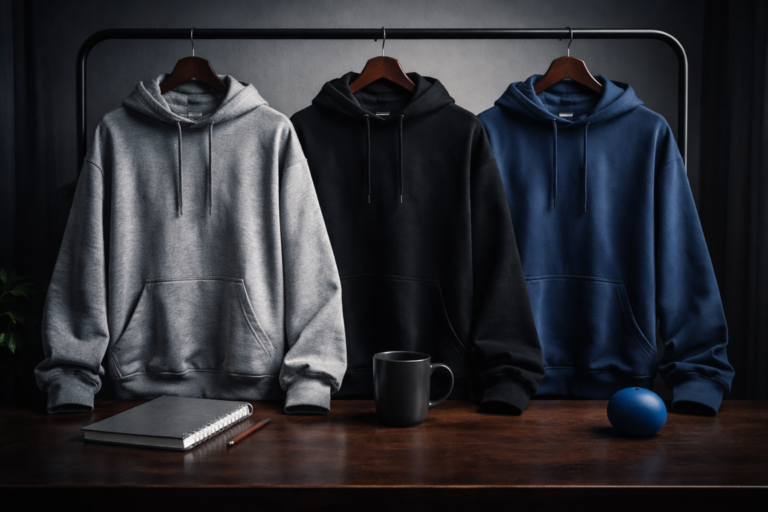
Color choices offer a quiet window into mood and identity. Psychology points to the three colors most frequently chosen by people struggling with low self-esteem, and what they may reveal. While preferences aren’t diagnostic, recurring patterns can reflect emotional states, social needs, and coping strategies. Below are three colors that commonly appear when people feel low in self-worth—and what psychologists and color researchers suggest those choices might communicate.
1. Black: concealment, protection, and perceived control
Black is often chosen by people who want to feel less noticeable or to project control.
- Emotional undertone: Black can signal a desire to disappear, to avoid scrutiny or judgment. It’s a shield as much as a statement.
- Psychological function: Wearing or surrounding oneself with black may feel protective. It reduces visual information and can give a person a sense of solidity when internal confidence is shaky.
- Social signaling: To others, black can read as sophistication or aloofness; to the wearer, it can mask vulnerability.
Tip: If black is your default and you want to explore change, try introducing subtle color accents (a scarf, a notebook, a mug). Small contrasts can gradually shift internal associations without forcing dramatic change.
2. Blue: comfort, melancholy, and social withdrawal
Blue—especially darker, muted blues—is frequently associated with both calm and sadness.
- Emotional undertone: Blue often reflects introspection and a lowered emotional arousal. In people with low self-esteem, blue can be chosen because it feels safe and predictable.
- Psychological function: Blue is calming and can reduce anxiety, which is valuable when someone feels judged or inadequate. However, persistent preference for somber blues can also mirror or reinforce melancholic thinking.
- Social signaling: Blue communicates trustworthiness to others, which might be why some who doubt themselves still opt for it—they want to appear reliable even when they don’t feel confident.
Tip: Balance comforting blues with lighter, brighter shades (sky blue, turquoise) that can lift mood without losing that safe feeling. Environmental changes—like a brighter pillow or a lighter paint accent—can subtly influence mood.
3. Gray: neutrality, invisibility, and emotional flattening
Gray is commonly chosen by those who want to blend in or who feel emotionally muted.
- Emotional undertone: Gray often represents ambivalence, fatigue, or a wish to be invisible. For people struggling with self-esteem, gray can feel like a safe background that minimizes attention.
- Psychological function: Choosing gray may be a way to avoid making choices that might attract criticism. It reduces the risk of standing out and being evaluated.
- Social signaling: Gray can be perceived as professional or conservative, but when overused it can also convey resignation or apathy.
Tip: If gray dominates your world, try small experiments with texture or pattern first—striped or patterned items that include gray plus another color can help you ease into more expressive choices without overwhelming discomfort.
Practical uses: how to apply this insight
- Self-reflection: Notice when and why you turn to a particular color. Is it for comfort, to hide, or to control how others see you?
- Small experiments: Swap a black accessory for a deep green, or add a bright cushion to a gray room. Changes that feel manageable are more likely to stick.
- Color as a tool in therapy: Discussing color preferences can be a gentle entry point into deeper conversations about identity and self-worth.
- Context matters: Workwear, social settings, and cultural backgrounds influence color choice. Consider when and where you choose certain colors and how that aligns with your goals.
A final caveat
Color preference is only one small clue among many. While psychology highlights patterns—such as the frequent selection of black, blue, and gray by people experiencing low self-esteem—these choices are not conclusive evidence of a psychological state. Culture, fashion, profession, and personal taste all affect color choice. Use color as a reflective prompt rather than a label, and pair any insights with compassionate action: talk to a friend, try practical experiments, or seek professional support if low self-esteem is limiting your life.
Small shifts in color can feel surprisingly empowering. They won’t cure deep-seated issues overnight, but they can be a gentle way to practice being seen, to test new identities, and to nudge mood in a healthier direction.