
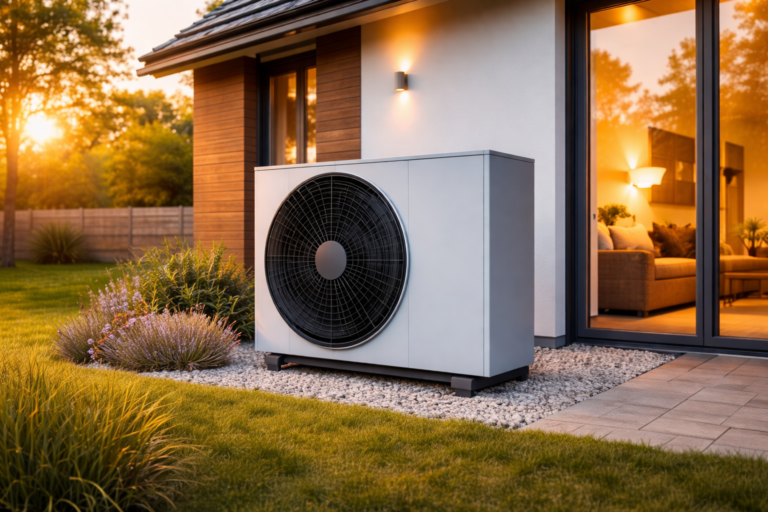
As energy prices fluctuate and climate concerns grow, homeowners are increasingly searching for the most efficient and economical way to heat their homes. Scientific research and real-world data now point clearly to one solution: modern heat pumps.
Unlike traditional systems that generate heat, heat pumps transfer heat, making them significantly more efficient. With advancements in technology and energy systems, they are now widely considered the best long-term heating option for both cost savings and energy efficiency.
What Science Says About Home Heating Efficiency
Scientific comparisons of heating systems consistently show that heat pumps outperform conventional systems like gas boilers and electric heaters.
- Heat pumps can achieve 200% to 400% efficiency, meaning they produce 2–4 units of heat for every unit of electricity used
- Gas boilers typically operate at 80% to 98% efficiency
- Electric resistance heaters are 100% efficient, but consume far more electricity
This is possible because heat pumps move heat instead of creating it, making them fundamentally more efficient.
Key Comparison of Heating Systems
| Heating System | Efficiency | Average Running Cost | Key Advantage | Drawback |
|---|---|---|---|---|
| Heat Pump (Air Source) | 200–400% | Lower long-term cost | Highly efficient, eco-friendly | Higher upfront cost |
| Geothermal Heat Pump | 300–500% | Very low | Most efficient system available | Expensive installation |
| Gas Boiler | 80–98% | Moderate | Lower upfront cost | Higher emissions |
| Electric Heater | 100% | High | Simple installation | Expensive to run |
| Oil Heating | ~85% | High | Works in rural areas | Expensive and polluting |
Why Heat Pumps Are the Most Efficient Option
1. Superior Energy Efficiency
Heat pumps can reduce electricity use by 50% to 75% compared to traditional electric heating systems .
They typically operate with a Coefficient of Performance (COP) of 3 to 4, meaning every 1 kWh of electricity produces 3–4 kWh of heat.
2. Lower Long-Term Costs
Although installation costs are higher, operating costs are often lower:
- Average savings of $650 per year compared to gas systems in many homes
- Annual heating costs can be lower than gas boilers in many scenarios
- In optimized conditions, savings can exceed €2,000 annually
Additionally, if electricity prices remain below three times gas prices, heat pumps remain more economical overall .
3. Dual Function: Heating and Cooling
Unlike traditional systems, heat pumps provide both heating and air conditioning, eliminating the need for separate systems.
4. Environmental Benefits
Heat pumps:
- Produce no direct emissions
- Can reduce household carbon emissions significantly
- Work seamlessly with renewable energy sources like solar panels
The Role of Insulation: The Hidden Factor
Even the most advanced heating system cannot perform well without proper insulation.
- Poor insulation can reduce heat pump efficiency dramatically
- Well-insulated homes maximize savings and performance
- Energy experts recommend upgrading insulation before installing new systems
In fact, insulation improvements alone can significantly cut heating costs, making any system more efficient.
Are Heat Pumps Always the Best Choice?
While heat pumps are the most efficient overall, there are exceptions:
Cold Climates
In extremely cold regions:
- Heat pump efficiency may drop
- Hybrid systems (heat pump + gas backup) can be more effective
Older Homes
Homes with poor insulation may see:
- Reduced efficiency
- Higher running costs
Upfront Costs
Installation costs range from:
- $2,500 to $10,000+ depending on system type
However, rebates and long-term savings often offset this.
Types of Heat Pumps Explained
Air Source Heat Pumps
- Most common and affordable
- Suitable for most homes
- Easy installation
Ground Source (Geothermal) Heat Pumps
- Highest efficiency (COP 3–5)
- Very low operating cost
- Requires significant installation work
Air-to-Air vs Air-to-Water
- Air-to-air: heats air directly
- Air-to-water: works with radiators and underfloor systems
Future Trends in Home Heating
The future of home heating is clearly moving toward electrification and sustainability:
- Governments are promoting heat pumps as a primary heating solution
- Smart grids and dynamic electricity pricing improve cost efficiency
- Integration with solar energy systems will further reduce costs
Experts predict that heat pumps will dominate residential heating markets by 2030–2035.
Conclusion
Scientific research and real-world data have made one thing clear: heat pumps are currently the most efficient and economical way to heat your home.
Their ability to deliver 300–400% efficiency, combined with lower long-term costs and environmental benefits, makes them the top choice for modern households. While upfront costs and insulation requirements must be considered, the long-term advantages far outweigh the drawbacks.
For homeowners looking to future-proof their property, reduce energy bills, and minimize environmental impact, switching to a heat pump is the smartest decision in 2026 and beyond.