
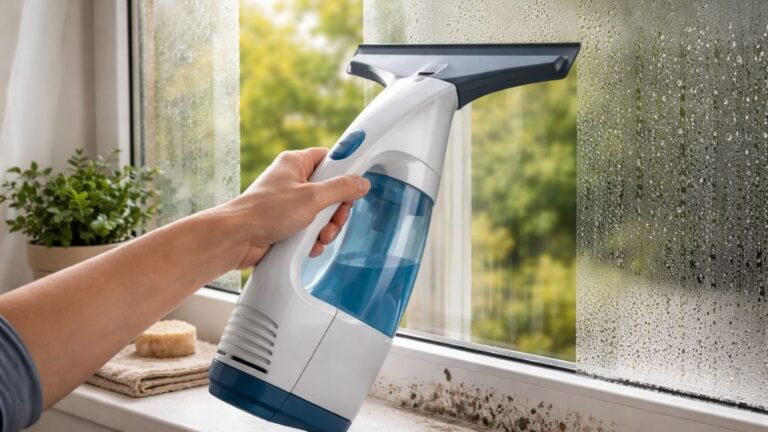
Condensation on windows is more than a cosmetic annoyance — it’s the first step toward persistent mould that can damage paint, timber, and your health. This is the most effective way to stop condensation and mould on windows: control indoor humidity, improve ventilation, and raise the surface temperature of the glass. Combine these three strategies and you’ll eliminate the conditions mould needs to grow.
Why condensation and mould form
Condensation appears when warm, moisture-laden air meets a cold surface and releases water. Windows, especially single-glazed or poorly insulated frames, are prime locations for this process. When water stays on frames and window sills, spores germinate and mould develops within 24–48 hours in the right conditions.
Key factors:
- High indoor humidity (from cooking, showering, drying laundry)
- Poor air circulation and insufficient ventilation
- Cold window surfaces and thermal bridges
- Long-term moisture on porous window surrounds
The three-part solution (how it works)
- Control the moisture source (reduce humidity)
- Ventilate to exchange humid air
- Insulate or warm the window surface so it stays above the dew point
Each element tackles a root cause. Removing excess moisture prevents condensation; exchanging air stops moisture build-up; and warmer surfaces mean the air won’t reach saturation at the glass.
Practical steps you can take today
Follow this checklist to implement the three-part solution.
1. Measure and manage humidity
- Buy a hygrometer and aim for 40–50% relative humidity (never above 60%).
- Use a dehumidifier in problem rooms (kitchens, bathrooms, bedrooms) if natural ventilation isn’t sufficient.
- Stop drying clothes indoors over radiators or near windows. If you must, use a tumble dryer vented outside or dry in a ventilated room.
2. Improve ventilation
- Open windows briefly but regularly — 10–15 minutes twice a day provides good air exchange without huge heat loss.
- Use extractor fans when cooking or showering; run them for 15–20 minutes after finishing.
- Consider trickle vents in window frames or low-level air bricks to maintain a steady airflow.
- Keep internal doors open to allow air to circulate from warm to cooler rooms.
3. Increase window surface temperature
- Install or use thermal curtains and keep them open during the day to allow warm air to reach the glass.
- Add insulating window film for winter — it creates an air gap and reduces the cold surface effect.
- Upgrade to double or triple glazing if your windows are old and single-glazed.
- Check and improve insulation around window frames to remove cold bridges.
4. Clean and remove mould safely
- Wipe condensation from windows and sills daily with a cloth.
- For mould on non-porous surfaces, clean with diluted bleach (1 part bleach to 10 parts water), a commercial mould cleaner, or white vinegar. Wear gloves, goggles, and a mask.
- Porous materials (plaster, wood that is badly moulded) may need replacing or professional treatment.
- After cleaning, dry the area thoroughly and address the humidity/ventilation problem to prevent recurrence.
Long-term prevention and maintenance
- Install a whole-house ventilation system (MVHR) if your home is very tightly sealed — this supplies fresh air while recovering heat.
- Replace failed seals in double-glazed units; persistent internal condensation can indicate seal failure.
- Regularly monitor humidity with a hygrometer, especially in winter when condensation is worse.
- Seal cracks and inspect roof and wall insulation to prevent cold spots near windows.
Quick fixes that help immediately
- Keep a small towel to mop up visible condensation each morning.
- Use moisture absorbers (silica gel or calcium chloride packs) on sills in problem rooms as a short-term measure.
- Point portable radiators or convectors so warm air circulates along the window line.
Final note
This is the most effective way to stop condensation and mould on windows: reduce indoor humidity, keep air moving, and make window surfaces warmer. Tackle all three areas and you’ll not only protect your windows and walls but also improve indoor air quality and comfort. Start with a hygrometer and one simple change — ventilate more or wipe condensation daily — and build from there.