
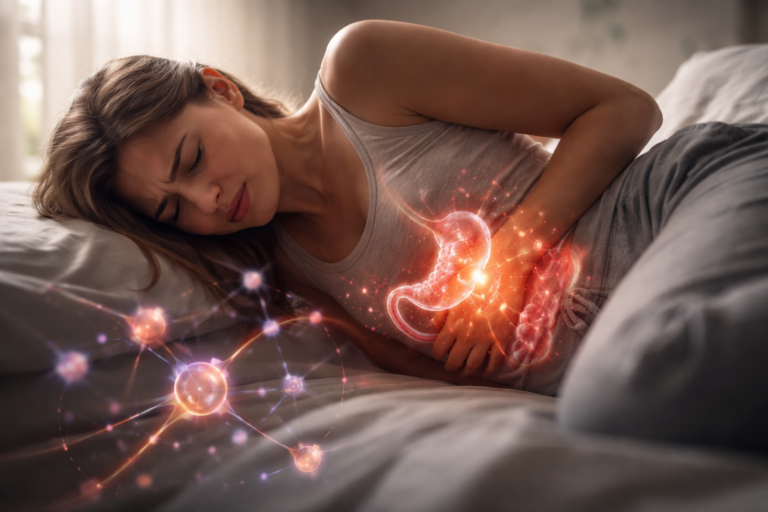
Digestive pain can feel unpredictable. For many people, symptoms such as cramps, bloating, constipation, or diarrhea follow a pattern — often tied to hormonal changes. Understanding why some digestive pain is amplified by hormones helps you recognize triggers and find better ways to manage symptoms.
Hormones and the gut: a close connection
The gut is not just a food-processing tube. It’s lined with receptors that respond to hormones and connected to the nervous system through the gut-brain axis. Hormones influence gut motility, sensitivity, immune activity, and even the composition of gut bacteria. When hormonal levels shift, so can those functions, sometimes making pain worse.
Key hormones that affect digestion
Estrogen and progesterone: These sex hormones fluctuate during the menstrual cycle, pregnancy, and menopause. Estrogen can increase gut motility for some people, while progesterone tends to relax smooth muscle and slow transit. That slowdown can cause bloating and constipation, and the swings between the two hormones can change how the gut senses pain.
Cortisol: The primary stress hormone affects immune responses and gut permeability. High cortisol from chronic stress can make the gut more sensitive and inflamed, amplifying pain signals.
Thyroid hormones: Hypothyroidism often slows digestion, contributing to constipation and abdominal discomfort. Hyperthyroidism can increase motility, causing diarrhea and cramping.
Reproductive hormones in pregnancy: Rising levels of progesterone and other pregnancy hormones relax intestinal muscles and affect blood flow and immune activity, commonly leading to altered bowel habits and discomfort.
How hormones amplify digestive pain
Increased visceral sensitivity
Hormonal fluctuations change how nerve endings in the gut perceive stimuli. A normal amount of intestinal gas or movement can be interpreted as pain when sensitivity is heightened.Altered motility
Shifts in hormones can speed up or slow down the passage of food. Rapid transit can cause cramps and diarrhea; slow transit can cause bloating and constipation. Both scenarios can heighten pain.Immune and inflammatory changes
Some hormones modulate immune cells in the gut. When hormones tilt the balance toward inflammation, existing conditions like irritable bowel syndrome (IBS) or inflammatory bowel disease (IBD) may flare, increasing pain.Microbiome shifts
Hormones can influence the composition of gut bacteria. Changes in the microbiome can affect gas production, fermentation, and mucosal health, contributing to discomfort.Central nervous system interaction
The brain and gut communicate constantly. Hormonal changes affecting mood or stress response (like cortisol) can make the brain amplify pain signals coming from the gut.
Who is most likely to notice this effect?
- People with IBS often report symptom flares around their menstrual cycle or with stress.
- Pregnant people commonly experience new or worsened digestive symptoms.
- Those with thyroid disorders may notice chronic changes in bowel habits and abdominal discomfort.
- Individuals undergoing menopause or hormone therapy can experience altered gut function.
Practical strategies to manage hormone-related digestive pain
Track patterns: Keep a symptom diary tied to your menstrual cycle, stress levels, medications, and diet. Patterns can reveal hormonal links and guide management.
Mind stress reduction: Techniques like deep breathing, meditation, and gentle exercise lower cortisol and can reduce visceral sensitivity.
Adjust diet strategically: Smaller, regular meals; low-FODMAP approaches for some people; and ensuring adequate fiber and hydration can ease motility and bloating. Work with a dietitian if needed.
Consider pelvic floor therapy: For people whose pelvic muscle dysfunction contributes to pain, targeted physical therapy can help normalize bowel habits and reduce discomfort.
Review medications and supplements: Some hormonal therapies or supplements can affect digestion. Discuss alternatives or timing with your provider.
Address underlying endocrine issues: If thyroid dysfunction or other hormonal disorders are suspected, getting tested and treated can improve digestive symptoms.
When to see a doctor
Seek medical attention if pain is severe, persistent, accompanied by significant weight loss, fever, blood in stool, or if it interferes with daily life. These signs may indicate conditions that require specific treatment beyond lifestyle strategies.
Final thoughts
Hormones play a major role in gut function, and for many people, this means digestive pain can ebb and flow with hormonal changes. Recognizing the connection — and using tracking, lifestyle adjustments, and medical guidance — can reduce symptom burden and improve quality of life. If your digestive pain seems tied to hormonal shifts, start by documenting patterns and discuss them with your healthcare provider to build a targeted plan.